How to Switch Clothing Manufacturers Without Risk (Checklist + Timeline)
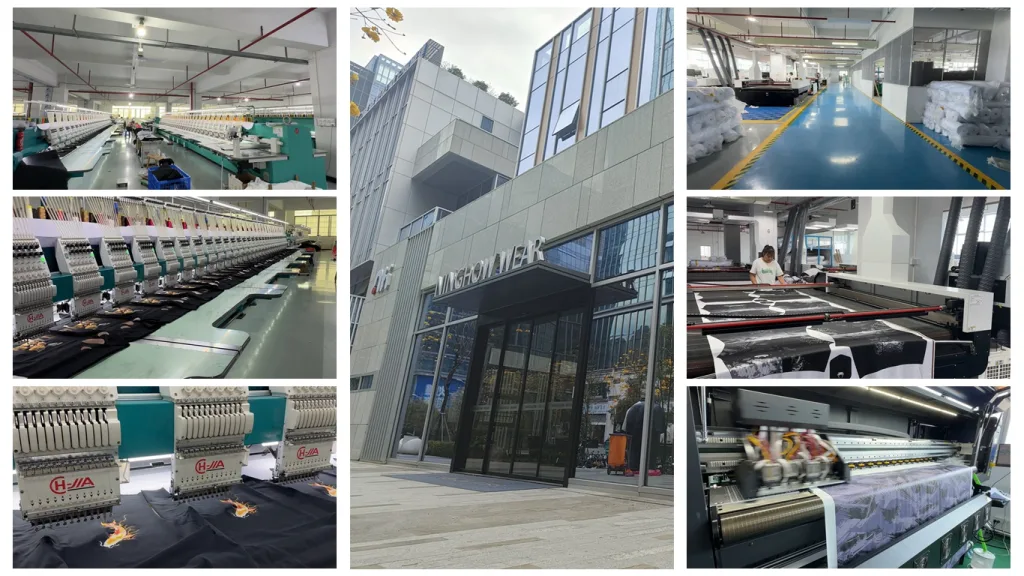
Ninghow is an apparel manufacturer that supports brands switching factories. This guide shows our low-risk switching plan—scorecard, checklist, and a safe first order—so you can change manufacturers without losing control.
If the reply is vague, rushed, or missing key details—treat it as a red flag.
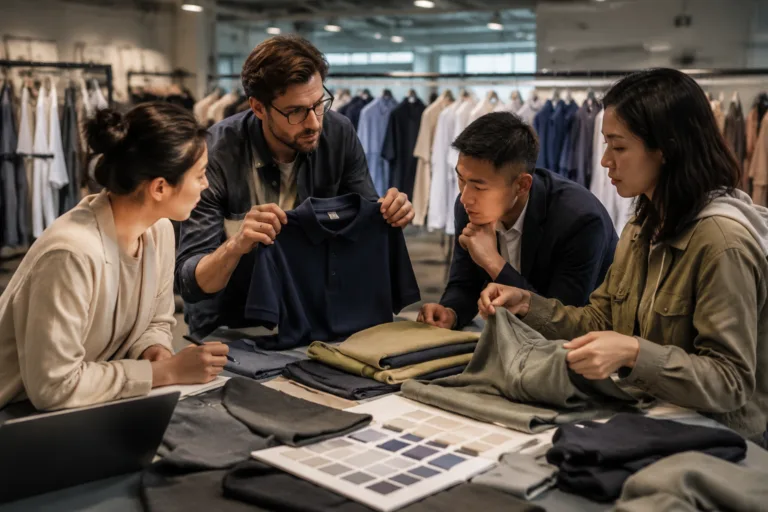
Step 5: Evaluate factories with a scorecard
Don’t choose the lowest price. Choose the lowest risk.
Scorecard categories (simple and powerful):
Quality stability
QC transparency (reports + checkpoints)
Sampling ability
Lead time reliability
Communication speed and clarity
Problem-solving mindset
Compliance support (docs, testing, labeling)
Flexibility for trial orders
Step 6: Start with a low-risk trial order
The best first order is:
One style
Limited colors
Clear size breakdown
Clear packaging
Realistic delivery time
Your goal is to test:
Bulk quality vs sample
Size control
Print/embroidery durability
Packing accuracy
Timeline accuracy
Communication under pressure
Step 7: Use the 3 “safety checkpoints”
These checkpoints prevent the most painful surprises.
Checkpoint 1: PPS approval (Pre-Production Sample) This is your “bulk blueprint.” Do not skip it.
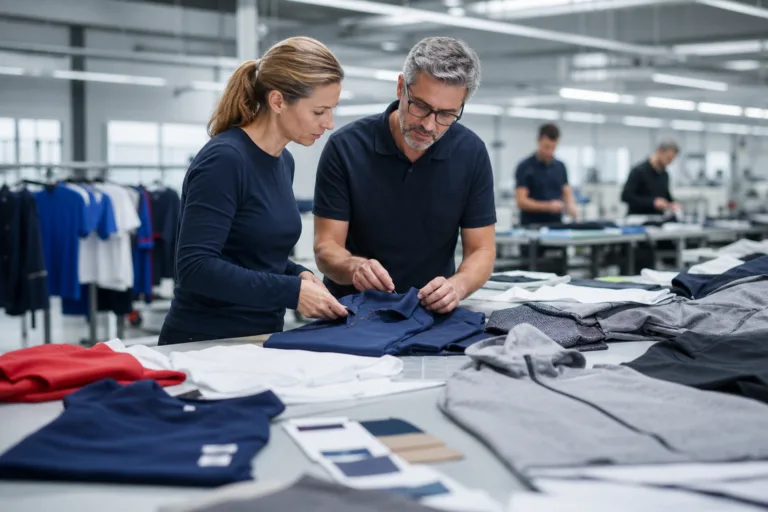
Checkpoint 2: Inline QC (during production) Catches issues early—before 80% of units are finished.
Checkpoint 3: Final inspection + packing check Prevents wrong sizes, wrong labels, missing items, and carton mistakes.
Step 8: Scale up only after the trial hits targets
Set simple targets like:
Defect rate below your limit
On-time delivery
Clear weekly updates
Fast issue resolution
If targets are met, you can scale to:
More colors
More styles
Higher volume
Timeline: Switching Clothing Manufacturers Without Risk
This timeline keeps you safe while you move forward.
Week 1–2: Prepare and shortlist
List current supplier problems
Build must-have specs
Shortlist 3–5 factories
Send RFQs
Week 3–4: Sampling plan + evaluation
Review RFQ replies
Score factories
Start sampling (proto / fit sample)
Week 5–6: Confirm the “bulk blueprint”
Approve fit
Confirm materials and trims
Approve PPS (pre-production sample)
Week 7–10: Trial order production with checkpoints
Inline QC during production
Weekly progress updates
Final inspection + packing check
Week 11–12: Review results and decide to scale
Review defect rates and returns risk
Confirm delivery performance
Decide next order size and scope
Some orders move faster, some slower. The key is not speed—it’s control.
Risk Control: The 10 Questions to Ask Any New Factory
Ask these before you place a PO:
What are your key QC checkpoints for my product type?
Can you share a real QC report example?
How do you control measurement tolerances?
How do you prevent “bulk different from sample”?
Who will manage my order daily?
What causes delays most often, and how do you prevent them?
What do you need from me to quote accurately?
Can you support a low-risk first order?
How do you handle problems when they happen?
How will you update me each week?
A good factory answers clearly and shows proof.
Common Mistakes Brands Make When Switching Factories
Avoid these and you’ll save time and money:
Switching only for a lower price
Sending an unclear tech pack
Skipping PPS
No inline QC
Too many styles/colors in the first order
No clear measurement tolerances
No weekly production updates
Scaling up before the trial is proven
Why Brands Switch to Ninghow (Without the Stress)
Ninghow supports brands that want:
Clear communication
Strong sampling support
QC checkpoints with real reporting
Trial-order friendly planning
Reliable timelines and production updates
If you’re replacing a factory, we can help you build a low-risk plan.
Switch Factories Safely—Start With a Controlled Trial Order
If your current supplier is causing quality or delivery problems, don’t “jump.” Ninghow is a clothing manufacturer, and we can transition you with a clear checklist, scorecard, and a safe first order plan.
Actions:
Get the Switching Checklist + Timeline (for your product type)
Request a Supplier Comparison Scorecard (compare your current factory vs Ninghow)
Start a Trial Order (one style, limited colors, clear acceptance rules)