







Big and Tall Hoodies: An Expanding Market
Across the United States, demand for big and tall hoodies keeps growing. Brands and retailers face a unique challenge: these customers want clothing that doesn’t just offer more fabric, but delivers true comfort, style, and durability. Sizing up a standard hoodie isn’t enough. People need fit solutions built for real bodies, including broad shoulders, longer arms, and wider waists. For brands, offering great big and tall hoodies creates a competitive edge and shows they value all customers.
Understanding Big and Tall Size Needs
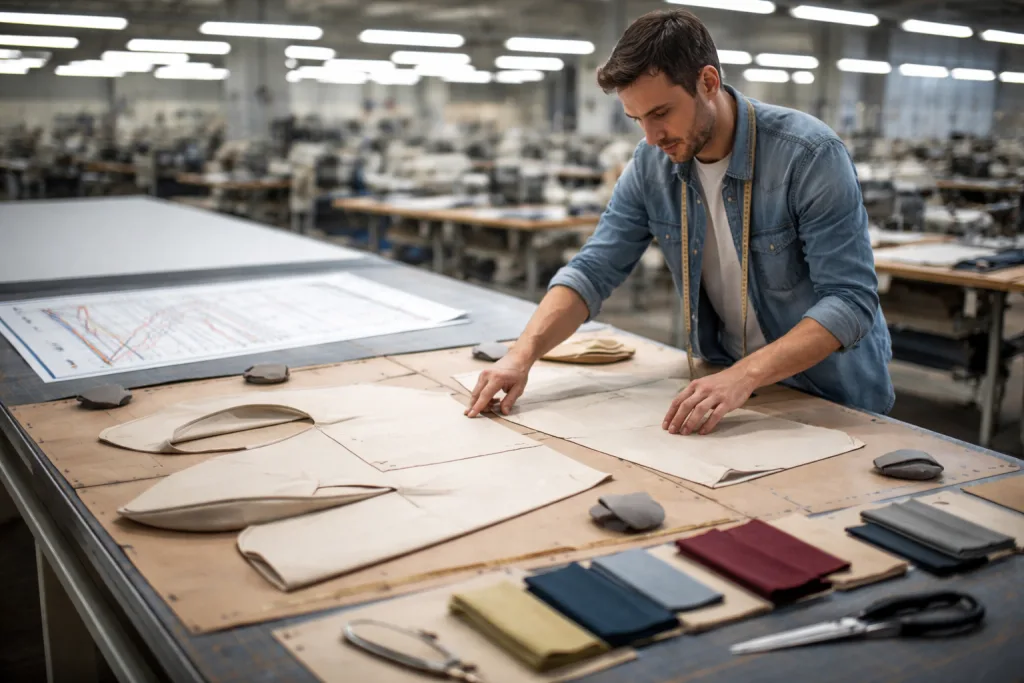
Big and tall customers span a wide range of body shapes. Some wearers need extra length rather than extra width. Others require both. Too often, “upscaling” a regular hoodie pattern leads to baggy arms, drooping shoulders, or tight hips. Thoughtful grading—changing the pattern in key areas—is necessary. U.S. brands usually start big and tall ranges at XL or XXL, with options extending to 5XL or 6XL. Sizing conventions and body expectations vary regionally: The U.S. remains a core market for extended sizes compared to Asia or Europe.
Why Standard Hoodies Fall Short
- Baggy sleeves or tight cuffs in oversized fits
- Short hem lengths that ride up
- Tight armholes causing discomfort
- Lack of chest and hip room for bigger builds
- Poor hood and neckline proportion
What Matters Most to Big and Tall Consumers?
- Fit that flatters, not just covers
- Reliable consistency across styles and seasons
- Durable construction that resists stretching out
- Quality fabrics that breathe and last
- Fashionable choices available in larger sizing
Size Grading: The Backbone of Big and Tall Hoodies
Grading refers to adjusting a base pattern to create all the different sizes a brand offers. For big and tall garments, this process demands extra care. While standard sizes grade up by set measurements across chest, length, and sleeve, big and tall grading involves non-linear “jump sizing”—making larger increments so each size fits properly. Armhole depth, neck opening, and pocket placement change, too. Each change is carefully calculated using body data and tolerance charts provided by experienced pattern engineers.
How Jump Sizing Works
From M to XL, a chest might increase by 5 cm per size. Beyond 2XL, the jump rises to 6–8 cm. Sleeve and body length increases, too, serving the unique size needs of tall or fuller bodies. Factories like Ninghow validate size jumps through wearer trials and tech packs engineered for the U.S. market. Accurate size sets ensure fit consistency from batch to batch.
Table: Hoodie Grading Comparison (U.S. Regular vs. Big & Tall)
| Aspect | Regular Grading M–XL | Big & Tall Grading 2XL–6XL | Fit Impact |
|---|---|---|---|
| Chest width increase | 4–5 cm per size | 6–8 cm per size (jump) | Better chest/waist fit |
| Body length increase | 2–3 cm per size | 3–4 cm per size | Improved coverage, no ride-up |
| Sleeve length increase | 2 cm per size | 3 cm per size in TALL sizes | Proper cuff at wrist |
| Shoulder width | Standard increments | Greater allowance for broad builds | No pinching or slippage |
| Hood size & pocket | May remain unchanged | Repositioned for proportion | Comfort, reach, and balance |
Key Fabric Choices for Big and Tall Hoodies
Larger hoodies carry more weight and face stronger tension at seams and pockets. This makes fabric quality and knit structure critical. Fleece (usually 320–360 gsm), cotton blends, and ringspun yarns offer both strength and comfort. Factories recommend combed cotton or organic fabrics for a soft handfeel, and may add a small amount of elastane for stretch. Cuffs and hems use resilient ribbing in 2×2 or 3×1 construction, so they don’t lose shape. For U.S. brands, sourcing GOTS-certified materials or recycled polyester (rPET) supports sustainability goals.
Performance Finishes for the U.S. Market
- Pre-shrunken for size stability
- Moisture-wicking for active customers
- Anti-odor and anti-pilling coatings
- OEKO-TEX STANDARD 100 safety assurance
Sizing Standards and U.S. Market Demands
America’s big and tall market expects reliable sizing, not guesswork. U.S.-based size guides (like ASTM D5585 for adult men) serve as a foundation for tech packs and fit models. Brands demand clear size charts, fit notes, and even “customer wear tests” to reduce returns. Large retailers may require AQL (Acceptable Quality Limit) inspections at the factory to guarantee correct measurements. To support e-commerce, some companies offer size prediction tools based on collected buyer data and graded patterns verified through multiple production runs.
Key U.S. Market Metrics
- Sizes 2XL–6XL drive over 15% of men’s hoodie sales in many regions
- Body length and sleeve discrepancies account for 60% of apparel returns
- U.S. regulations require accurate labeling and fiber claims under FTC rules
Pattern Making and Graded Size Sets
The pattern team turns design ideas into graded size sets. For big and tall hoodies, they follow three core steps: adjusting key measurement points for chest, waist, hip, armhole, and hood; building size marker plans that minimize fabric waste; and validating fit with physical samples and digital measurement charts. Modern factories use CAD for precision and often cut size sets with auto-cutters. This keeps tolerances tight—usually within ±1 cm of spec—for the U.S. market’s strict quality requirements.
Fit Model Trials
Before bulk production, fit models representing the big and tall demographic wear test the samples. Feedback includes shoulder fit, sleeve drape, hood depth, and comfort during movement. This ensures that the production run matches real-world needs—not just numbers on a chart.
Production: Factory Approaches to Consistent Sizing
Ninghow and its industry peers build strict workflows to keep big and tall hoodies consistent from order to order. Color approval starts with lab dips and shade bands, so buyers get the same look every season. Fabric lots are batch-tested for weight (GSM), shrinkage, and colorfastness—following standards like ISO 105-C06 and AATCC 61. Garments are pre-washed or compacted to lock in sizing, especially important for American buyers who wash and dry at home. End-of-line QC checks include full-size measurement tables, seam strength pulling (ASTM D1683), and puckering evaluations.
Decoration Techniques for Large Surfaces
- Screen printing (water-based or discharge) for soft, flexible graphics
- Embroidery with reinforced backing to prevent puckering
- DTG (direct-to-garment) for full-color, breathable prints
“When scaling up prints for big and tall, always match decoration area to the size of the garment. Oversized graphics must be repositioned in the template for maximum visual impact.”
Ninghow’s Solutions for Big and Tall Hoodie Sizing
Ninghow specializes in precise OEM and ODM development for global clients, including American brands focused on big and tall apparel. Solutions start at the tech pack, where teams customize grading rules for each market and brand. Clients receive full size sets, with tolerance charts provided for every zone: chest, waist, hip, hem, and sleeve. Ninghow’s sampling follows a strict process: proto → salesman sample → pre-production (PP) → top of production (TOP). Each approval ensures zero surprises at delivery.
In-depth Size Jump Management
- Direct collaboration with U.S. buyers to match brand size standards
- On-site fit trials and wearer feedback for end-user validation
- Automated cutting for size consistency batch-to-batch
- Inline digital measurements tracked using barcoded workflow sheets
For bulk orders, Ninghow offers custom packaging, including split packs or ratio packs by size for big and tall programs, plus labeled hangtags (with UPC/EAN if required) for streamlined retail logistics. Eco-conscious buyers can request organic cotton, recycled trims, and OEKO-TEX-certified dyes.
Addressing Big and Tall Hoodie Fit Problems
Even with careful grading, real-world testing is essential. Common fit complaints include sleeves that twist after washing, uneven hoods, tight rib hems, or drooping pocket shapes. Each issue has a root cause—whether it’s poor pattern cutting, incorrect fabric relaxation, or inconsistent sewing tension. Factories must monitor each stage: from auto-cut marker placement, to correct stitch and seam type (ISO 301 or 401 for main seams, coverstitch at hem and cuff), to correct needle size for thick fabric blends. Off-line repairs and final measurements guard against out-of-spec garments.
Typical Big and Tall Hoodie Sizing Fixes
- Increase armhole depth 1–2 cm post-wash for all sizes above 2XL
- Use bartacks to reinforce large pockets at high-stress corners
- Switch to extra-wide rib bands (7–9 cm) at hem for structure
- Select brushed French terry backers for warmth with low bulk
Best Practices for Big and Tall Hoodie Sizing Success

Launching a successful big and tall program takes more than size expansion. It depends on detailed market knowledge, expert pattern engineering, and reliable factory execution. American buyers expect accurate chest, sleeve, and back length, and want to trust that their favorite hoodie will fit the same, year after year. Clear size charts, honest fabric claims, and robust QC drive both satisfaction and repeat orders.
- Start with U.S.-grade tech packs and spec tables
- Work with factories like Ninghow that verify fit through real sample trials
- Run test orders to validate grading before scaling production
- Opt for pre-shrunk and colorfast fabrics to cut returns
- Publish transparent size guidance to aid online shoppers
By investing in genuine big and tall solutions, brands open the door to a loyal, growing customer base and reduce costly returns. The right hoodie offers more than size—it delivers comfort, style, and lasting value for all bodies.
Frequently Asked Questions
What are “big and tall” hoodie sizes?
Big and tall hoodie sizes are extended sizing options designed for larger or taller men, typically starting at 2XL or Tall sizes and going up to 6XL.
How is the grading for big and tall hoodies different from regular sizes?
Grading for big and tall hoodies uses larger jumps in measurements, especially for the chest, body length, and sleeves, to create a better fit for bigger bodies.
What fabrics work best for big and tall hoodies?
Heavyweight fleece (320–360 gsm), combed cotton blends, organic cotton, and fabrics with a touch of elastane offer durability, comfort, and shape retention for big and tall hoodies.
Why is there a higher return rate for poorly sized big and tall hoodies?
Poor grading or inconsistent cutting creates hoodies that don’t fit, causing problems in chest width, sleeve length, and overall comfort, leading to many returns.
How do U.S. standards impact big and tall hoodie production?
U.S. standards require strict, accurate sizing, proper labeling, and adherence to regulations to ensure consistency, reduce returns, and promote buyer confidence in big and tall apparel.
What QC steps does Ninghow follow for big and tall hoodies?
Ninghow runs inline and end-of-line measurement checks, wearer fit trials, colorfastness and shrink tests, using tools like CAD markers and digital spec sheets for every big and tall order.