




Understanding Acetate Fabric in Clothing
Acetate fabric is well known for its soft luster and elegant drape, making it a popular choice in the world of fashion. This unique textile brings together style and convenience, offering a silk-like appearance with modern practicality. But what sets acetate apart from other materials in your wardrobe? Let’s explore its origins, properties, and tips for care—so you know exactly what to expect from garments made with this intriguing fiber.
What Is Acetate Fabric?
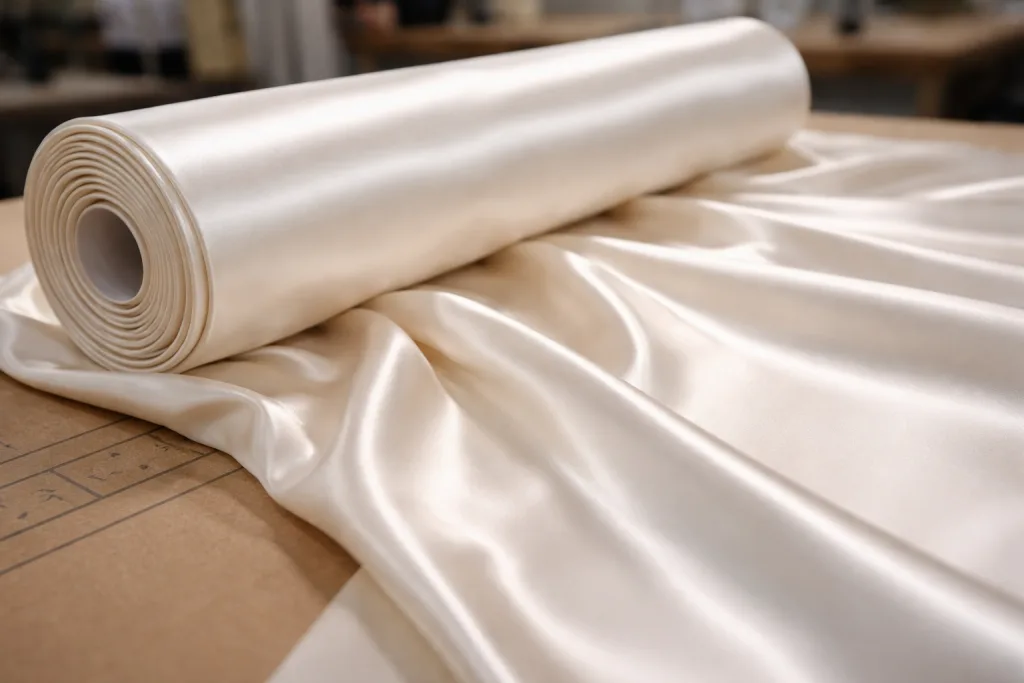
Acetate fabric is a type of man-made fiber produced from cellulose, which is derived from wood pulp. Although not fully synthetic, it is considered a semi-synthetic material. The process involves treating purified cellulose with acetic acid and other chemicals to create acetate flakes, which are then spun into filaments and woven or knitted into fabric. Acetate was first developed in the early 20th century as a silk substitute, prized for its smooth touch and glossy finish.
- Glossy surface with a soft sheen (resembles silk)
- Lightweight and breathable
- Good drape, flowing easily over the body
- Often blended with other fibers to improve durability
Acetate Fabric: Gloss and Drape Explained
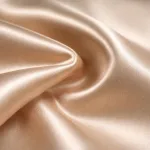
The most striking features of acetate fabric are its natural luster and beautiful drape. When you run your hand over a piece of acetate, you’ll notice a reflective, almost pearl-like shine. This brightness is the result of the smooth, flat surface of the fibers, which refract light similar to high-grade silk.
Why Acetate Fabric Gleams
During manufacturing, the fibers are extruded through tiny spinnerets, producing a consistent surface that enhances shine. The gloss is further boosted by calendaring—a technique that applies heat and pressure to add polish. Dressmakers choose acetate for evening gowns, linings, and blouses that catch the eye under lights.
Drape: Effortless Flow
Another signature feature is how acetate hangs. Thanks to its low rigidity, the fabric cascades in graceful folds, following the body’s movement. This makes it a favorite for flowing dresses, skirts, and linings. Compared to stiffer fabrics like poplin or oxford, acetate creates an undeniably soft, feminine silhouette.
Comparative Table: Acetate vs. Other Fabrics
| Fabric | Luster Level | Drape Quality | Typical Uses |
|---|---|---|---|
| Acetate | High | Soft, flowing | Linings, evening wear, blouses |
| Polyester | Medium to high | Varies (can be stiff or fluid) | Activewear, basics, outerwear |
| Silk | Very high | Luxurious, strong drape | Dresses, scarves, lingerie |
| Cotton | Low to medium | Crisp to moderate | T-shirts, shirts, casual wear |
Key Properties of Acetate Fabric
To decide if acetate fabric is right for your garments, it helps to know its main strengths and weaknesses. Here’s a closer look at the qualities that set acetate apart:
- High sheen: Acetate’s shiny surface stands out, especially in low lighting or evening wear.
- Lightweight comfort: It feels cool and light against the skin, ideal for warm climates or layers.
- Excellent drape: The material molds gracefully to body curves, perfect for sophisticated silhouettes.
- Color vibrancy: Acetate absorbs dyes well and showcases rich, deep hues.
- Wrinkle resistance: While not as wrinkle-proof as polyester, it resists moderate creasing.
- Low static: Natural cellulose content means less static build-up compared to pure synthetics.
- Biodegradability: Since it’s processed from plants, acetate has some degree of biodegradability under the right conditions.
Caring for Acetate Garments: Essential Tips
With its beauty comes the need for specific care. While acetate fabric is easier to maintain than some luxury fibers, it does need gentle handling to keep its shine and drape.
Washing and Drying
- Dry clean is safest—most acetate items are labeled accordingly.
- If hand washing, use cold or lukewarm water with a gentle detergent.
- Avoid hot water, which can cause shrinking or fading.
- Do not wring; gently squeeze out excess water and lay flat or hang to dry.
Ironing and Storage
- Iron on low heat, ideally with a pressing cloth. High heat can melt or glaze the surface.
- Store acetate garments in a cool, dry place. Prolonged sunlight may weaken or yellow the fibers.
- Avoid direct contact with strong perfumes, deodorants, or hairsprays, which may stain.
Pilling and Durability
Acetate is less prone to pilling than synthetic knits but can show wear at seams or areas of friction. Lining suits, jackets, or skirts with acetate provides a silky interior but may need reinforcement for everyday wear. Blending acetate with stronger fibers (like polyester) extends fabric life.
How Acetate Fabric Is Manufactured
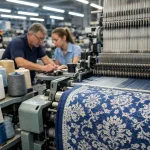
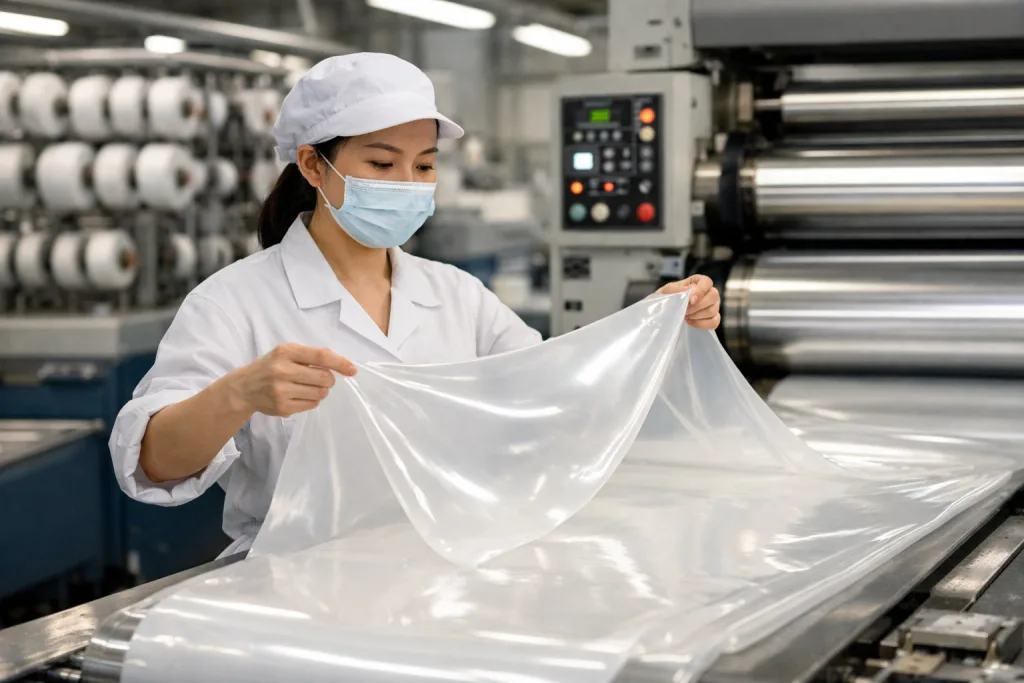
The journey from forest to finished garment involves several detailed steps. The process begins with the careful selection of wood pulp, typically from sustainably managed forests. After extraction, cellulose undergoes acetylation—a chemistry step that converts the natural fiber into acetate flakes.
- Fiber spinning: Flakes are dissolved and extruded through tiny holes, forming fine filaments.
- Filament processing: Filaments are stretched and set to desired thickness and strength.
- Weaving or knitting: The filaments are woven into lining fabrics, twills, or lightweight satins.
- Finishing: Calendaring, dyeing, and quality checks refine luster and handfeel.
Leading manufacturers like Ninghow closely monitor each stage, using tech packs, color lab dips, and strict quality checks to ensure a brilliant, consistent fabric ready for both ready-to-wear and custom orders.
Common Uses for Acetate Fabric
Acetate finds its niche across multiple garment categories, especially where smoothness and glamour are a “must.” While pure acetate is delicate, blends and linings bring valuable utility to everyday wardrobe pieces.
- Lining material: Jackets, suits, dresses—the silky-smooth lining makes garments easier to slip on and off.
- Evening and bridal wear: Lustrous acetate is perfect for gowns, cocktail dresses, or elegant wraps.
- Flowing blouses and skirts: Its drape enhances shape and comfort in light, feminine silhouettes.
- Scarves and accessories: Gloss and color brilliance add appeal to neckwear.
- Costumes/theater: Shine and affordability make acetate a strong choice for stage apparel.
When to Choose (or Avoid) Acetate
- Choose acetate for garments needing a luxury feel with budget-friendly costs.
- Avoid if high moisture, frequent washing, or constant abrasion are required—pure acetate may lose shape or strength.
Acetate Fabric vs. Polyester and Other Alternatives
How does acetate stack up against modern alternatives? Polyester, another common lining and outer material, is entirely synthetic and more resilient. While polyester resists wrinkles and reacts well to industrial washing, its handfeel is less silky. Silk offers unmatched luster and drape, yet is the most delicate and costly option. Modal or viscose (regenerated cellulose) shares acetate’s coolness but is softer, with less gloss.
Table: Acetate vs. Popular Apparel Linings
| Property | Acetate | Polyester | Silk | Viscose/Modal |
|---|---|---|---|---|
| Luster | High | Medium-High | Very High | Low-Medium |
| Drape | Very good | Good to stiff | Excellent | Very good |
| Handfeel | Silky, cool | Slick, synthetic | Soft, cool | Soft, smooth |
| Care | Dry clean/hand wash | Machine wash | Dry clean/cold hand wash | Machine/hand wash |
| Durability | Moderate | High | Low-Moderate | Moderate |
| Sustainability | Biodegradable | Non-biodegradable | Natural | Biodegradable |
Chose acetate for glamour and value, polyester for function and resilience, and silk for luxury—evaluating the pros and cons ensures you meet both wearer expectations and garment goals.
Sustainability and Certifications
Acetate’s roots in renewable cellulose mean it can be a greener choice—especially when wood pulp comes from sustainably certified forests. Always look for suppliers who support FSC (Forest Stewardship Council) standards to ensure ethical sourcing. Reputable manufacturers, like Ninghow, adhere to global compliance frameworks such as OEKO-TEX STANDARD 100 for safety, and may pursue additional eco-labels for acetate blends.
- OEKO-TEX STANDARD 100: Checks for harmful substances in fibers, including dyes and finishes.
- ISO and AATCC standards: Ensure colorfastness, shrink resistance, and overall quality align with global expectations.
Expert tip:
“When sourcing acetate linings or shells, request recent lab dips, shade bands, and wash test data. This helps avoid production surprises and ensures color and handfeel match design intent.”
Acetate Fabric at Ninghow

Ninghow provides fashion brands with high-quality acetate linings and shell fabrics, combining controlled manufacturing with a wide color range. Whether you need flowing eveningwear, silky blouse linings, or premium packaging, robust quality management ensures a consistent finish and handfeel. From pre-shrink testing to shade matching, each batch is inspected for stability and vibrancy. The result—graceful garments with lasting style and comfort, backed by responsive B2B service.
Frequently Asked Questions
What is acetate fabric made from?
Acetate fabric is produced from cellulose, usually extracted from wood pulp, and chemically processed to create smooth, glossy fibers suitable for weaving into cloth.
How does acetate fabric compare to silk?
Acetate mimics silk’s shine and flow at a lower cost, but is less strong and requires gentler care, often being used for linings or flowing dresses.
Can I machine wash acetate clothing?
Most acetate garments should be dry cleaned or carefully hand washed with cool water and mild detergent; machine washing can cause shrinkage or texture loss.
Is acetate fabric good for summer wear?
Yes, acetate is lightweight and breathable, making it suitable for warm weather or layering, though it should be protected from sweat and excess moisture.
Does acetate fabric wrinkle easily?
Acetate resists moderate wrinkling but can crease when packed tightly; gentle pressing with a low iron will restore its smooth look.
Is acetate considered an eco-friendly fabric?
Acetate is partly plant-based and biodegradable under some conditions, but eco-friendliness depends on wood sourcing and safe chemical processing practices.