





What Is Cupro Fabric?
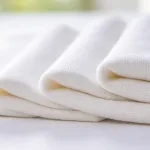
Cupro fabric is a semi-synthetic textile made primarily from cotton linter. Cotton linter is the fine, silky fiber that sticks to cotton seeds after ginning. This material would otherwise be waste, but it can be dissolved and regenerated into cupro. Known for its smooth texture and breathability, cupro offers a silk-like feel and flow without the high price or delicate care standards of real silk. Global brands and manufacturers, including Ninghow, utilize cupro in luxury linings, dresses, and soft activewear to provide a premium touch alongside sustainable sourcing.
Raw Material
Cupro starts with cotton linter, a byproduct from regular cotton production. Unlike fully synthetic fibers, it uses natural cellulose, making it a regenerated cellulose fiber rather than a true synthetic. The process involves dissolving linter in a copper-ammonia solution to create filaments, then spinning these into yarn and fabric. This unique method results in a textile almost as smooth as silk.
Properties of Cupro Fabric
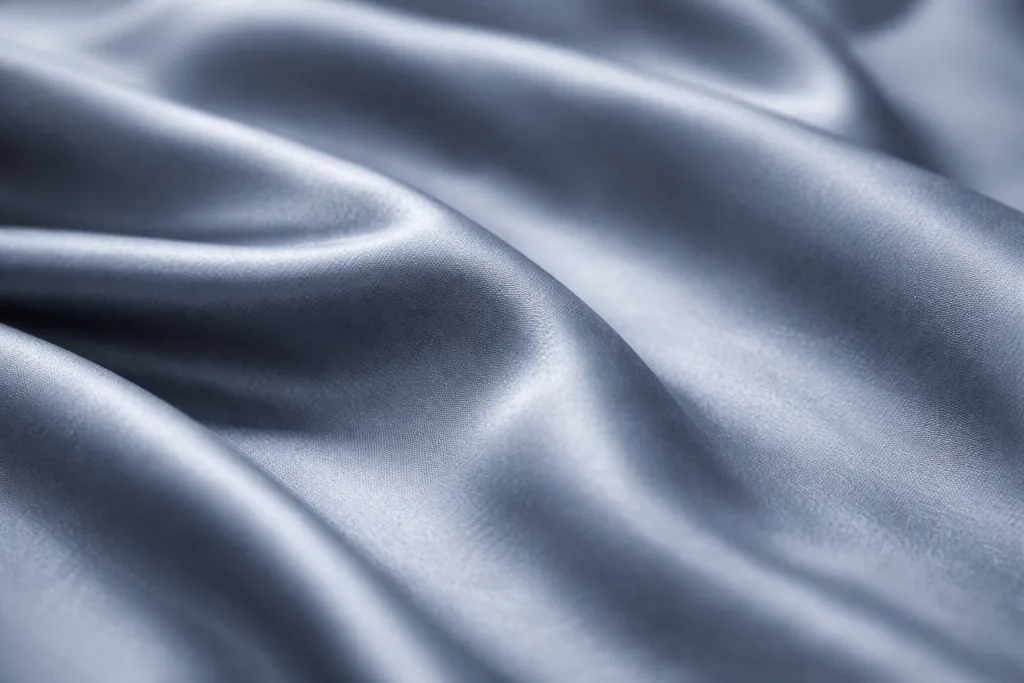
Cupro’s special characteristics come from its fine filament structure and the unique way it’s produced. The smooth handfeel, breathability, and drape set it apart from common synthetic textiles.
Handfeel and Appearance
Cupro feels soft and silky. Its surface is cool and smooth, gliding over your skin. Many compare cupro’s handfeel to that of silk or high-quality modal, but with less sheen. Garments made with cupro drape elegantly without clinging.
Breathability
Cupro’s fiber is highly breathable. Its filaments allow moisture and air to pass, keeping you cool in warm weather. The fabric absorbs sweat and quickly releases it, much like natural cotton. This makes cupro suitable for dresses, blouses, and activewear that need a light, airy touch.
Durability and Ease of Care
Cupro is more robust than silk but retains a lightweight feel. It resists wrinkles and handles regular washing with gentle settings. Compared to rayon or viscose, cupro is less likely to shrink or lose shape if properly cared for.
Sustainability of Cupro Fabric
Cupro fabric stands out for its sustainable qualities. Because it uses cotton linter, it helps reduce waste from cotton production. The closed-loop manufacturing process recycles the copper-ammonia solution, limiting environmental impact. Ninghow and other responsible manufacturers source certified linter and maintain strict controls on chemical use to ensure eco-friendliness. Cupro is fully biodegradable in composting conditions, which means it breaks down without leaving toxic residue.
Sustainable Manufacturing Process
Unlike conventional viscose production, cupro uses a closed-loop system where solvents are recovered and reused. This supports circular production—an essential trend in modern apparel.
Certifications and Standards
Cupro often earns OEKO-TEX STANDARD 100 certification, indicating safety for human skin and compliance with international chemical limits. Some cupro products also meet GOTS (Global Organic Textile Standard) and BSCI/SEDEX for ethical sourcing.
Comparison: Cupro vs. Other Fabrics
How does cupro compare to other popular textiles like cotton, silk, viscose, and polyester? The table below outlines key differences and typical applications:
| Fabric | Feel/Texture | Breathability | Eco Credentials | Best Use Cases |
|---|---|---|---|---|
| Cupro | Silky, smooth, cool | High | Biodegradable, recycled, closed-loop | Linings, dresses, luxury blouses |
| Cotton | Soft, matte, natural | High | Renewable, biodegradable | T-shirts, jeans, bedding |
| Silk | Glossy, ultra-soft | High | Natural, but resource-intensive | Scarves, luxury dresses |
| Viscose | Soft, fluid, moderate sheen | Moderate | Biodegradable; may involve chemicals | Draped garments, linings |
| Polyester | Smooth, crisp, sometimes shiny | Low | Non-biodegradable, recyclable | Activewear, outerwear |
Pros and Cons at a Glance
- Pros: Silky feel, high breathability, easy care, eco-friendly, affordable luxury.
- Cons: Sensitive to high heat, can wrinkle if misused, less colorfast than polyester.
Pros of Cupro Fabric
Cupro offers several key advantages for consumers, designers, and clothing manufacturers:
- Smooth Touch: Cupro’s handfeel rivals expensive natural silks; garments glide over skin.
- Excellent Breathability: Cupro outperforms synthetics in sweat management and airflow.
- Drape and Flow: Dresses and blouses made from cupro appear fluid and elegant.
- Sustainable Sourcing: Made from cotton waste, cupro supports circular materials.
- Allergy-Friendly: Cupro resists static and is gentle for most sensitive skin types.
- Easy Dyeing: Manufacturers achieve rich, subtle colors with Pantone-matched lab dips and strike-offs.
Main Uses of Cupro Fabric
Cupro’s unique feel and green credentials make it ideal for certain product categories. Designers select cupro for garments where comfort, luxury, and sustainability overlap.
Garment Applications
- Lining: Cupro lines jackets, blazers, and coats. Its silky touch and breathability elevate comfort.
- Dresses and Blouses: The fabric’s drape is perfect for flowy silhouettes and elegant tops.
- Scarves: Light, smooth cupro makes for premium, gentle accessories.
- Active/Lifestyle Wear: Designers incorporate cupro into yoga tops, skirts, and lounge pieces for softness and moisture management.
- Resort & Promotional Apparel: Brands like Ninghow offer custom cupro styles for eco-conscious programs and high-end uniform solutions.
Finishing and Decoration
Cupro’s surface is suitable for fine embroidery, screen print, and gentle heat transfers. For premium dyes, manufacturers rely on precise lab dips and shade bands to control color intensity. Standard sewing uses ISO 301 lockstitch, with fine needle points to avoid puckering. Coverstitch and bartack reinforcement help maintain seam strength, while care labels often list gentle, cool washing instructions to protect fabric integrity.
How Cupro Fabric Is Made
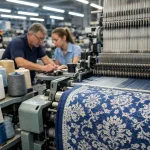
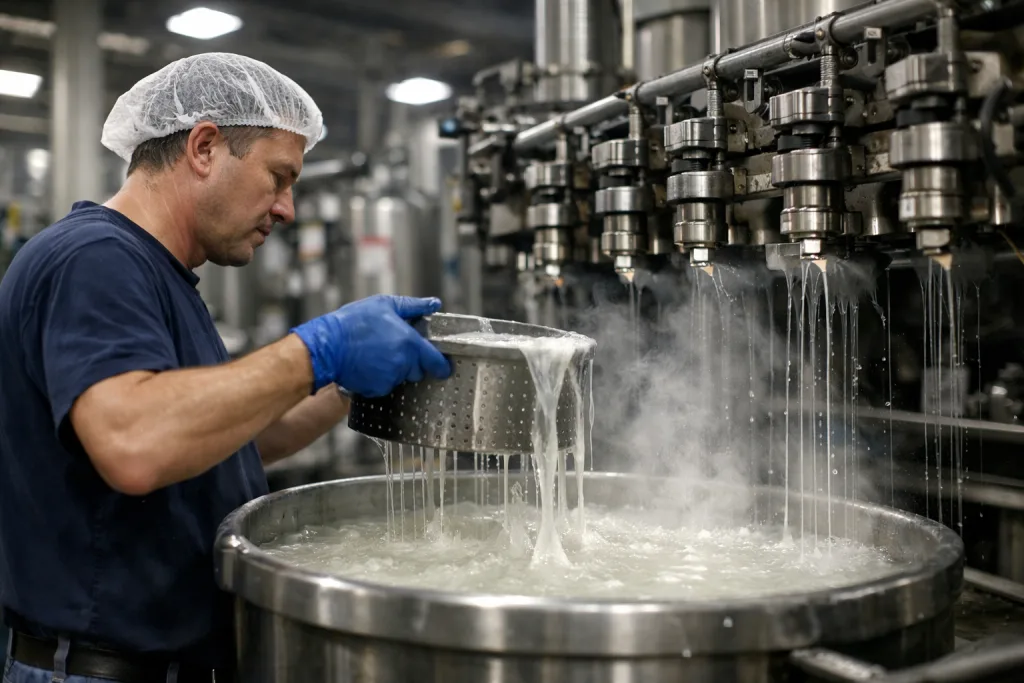
Manufacturers create cupro through a multi-step chemical and spinning process. Cotton linter is first cleaned and dissolved in a copper-ammonia solution. This forms a cellulose-rich liquid, extruded through spinnerets to become filaments. These filaments are washed, neutralized, and spun into yarn. The closed-loop system recovers copper and ammonia for reuse, reducing waste and environmental harm.
Technical Notes
- Typical GSM (grams per square meter) for cupro ranges from 80–180 gsm, suitable for lightweight fashion.
- Knits: Fine single jersey and sateen weaves maximize drape and handfeel.
- Testing includes dimensional change (AATCC 135), colorfastness (ISO 105), and pilling resistance (ISO 12945).
Manufacturers such as Ninghow scrutinize shrinkage, color consistency, and finish with batch checks following AQL (Acceptable Quality Level) protocols.
Care Instructions for Cupro
Cupro is easy to maintain if handled gently. Wash garments in cold water on a delicate cycle using mild detergent. Avoid high heat drying, which may cause shrinking or damage. Iron garments inside out at low temperatures. If your cupro apparel has decorations or embroidery, follow care label symbols—these may align with ISO 3758 standards—and consider professional cleaning for elaborate pieces.
Longevity Tips
- Store cupro clothing away from direct sunlight to prevent color fading.
- Hang or fold gently to avoid creasing.
- Avoid bleach and harsh chemicals.
Future Trends for Cupro Fabric

Cupro is gaining popularity thanks to growing demand for sustainable fashion. Innovations in closed-loop spinning and color control support high-volume production with reduced footprint. Fashion houses and B2B suppliers value cupro for both technical and environmental reasons. Custom blends—such as cupro-modal or cupro-elastane—offer added stretch or resilience for sportswear and specialty applications, a niche Ninghow explores in partnership programs.
Leading Innovations
- Use of recycled cupro fibers alongside virgin material.
- Advanced dyeing for deeper, complex hues without heavy water use.
- Enhanced knitting and weaving for better texture control and micro-ventilation.
Most trends focus on balancing luxury, comfort, and environmental stewardship, with cupro at the forefront of fluid, sustainable textiles.
Frequently Asked Questions
What is cupro fabric made from?
Cupro fabric is made from cotton linter, a silky byproduct of the cotton plant that is processed with a copper-ammonia solution.
Is cupro fabric eco-friendly?
Yes, cupro is considered eco-friendly because it uses cotton waste and is produced in a closed-loop, chemical-recycling system.
How does cupro feel compared to silk?
Cupro feels very smooth and cool, similar to silk, but with slightly less shine and greater durability for everyday use.
Can cupro be machine washed?
Cupro can be washed in cold water on a gentle cycle; avoid high heat drying and harsh chemicals for best results.
What garments are best made from cupro?
Cupro is ideal for linings, blouses, dresses, scarves, and fashion-activewear thanks to its drape and breathability.
Does cupro fabric shrink or wrinkle?
Cupro resists shrinking and wrinkles less than silk, but handle carefully to avoid creasing, especially in lightweight pieces.