

Understanding Knit vs Woven Fabric
The core difference between knit and woven fabric lies in how the threads are formed. Knowing their structure helps brands, designers, and buyers choose the ideal fabric for fit, comfort, and cost.
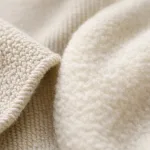
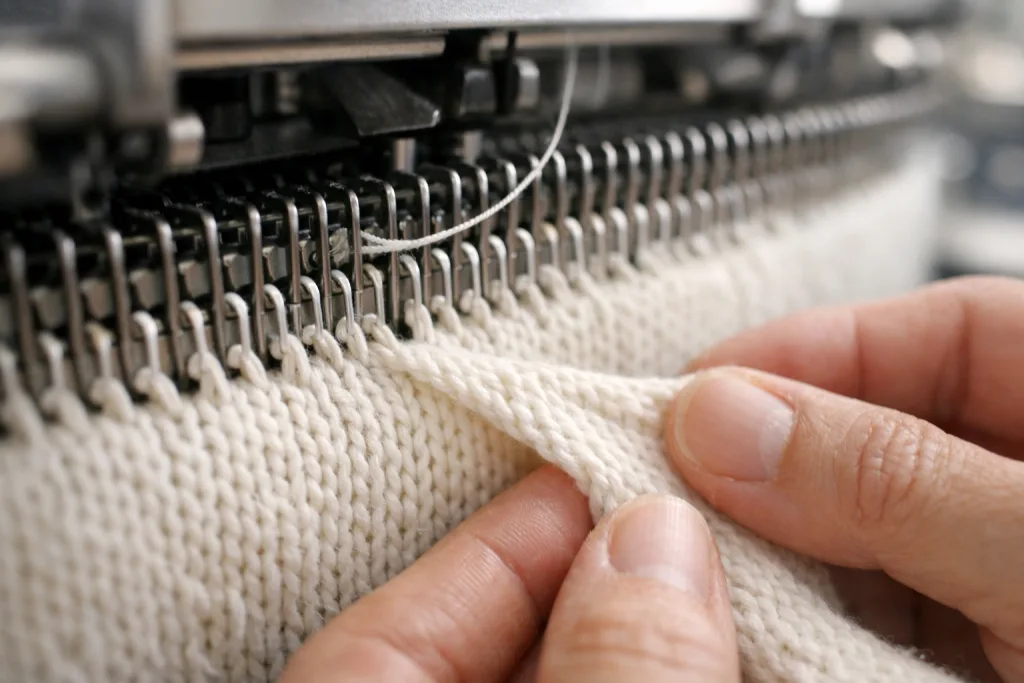
- Knit fabric is made by interlooping yarns in rows, resulting in a stretchy, elastic fabric. Common types include single jersey, rib knit, and fleece.
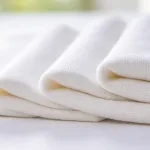
- Woven fabric is created by interlacing two sets of yarns at right angles. The result is firm and structured—think twill, denim, and poplin.
Structural Differences: How Knit and Woven Fabrics Are Made
Ninghow’s technical team starts with the end use in mind. The making process shapes every property of the finished fabric, from drape to durability.
How Knit Fabrics Are Produced
Knit fabrics are made on circular or flatbed knitting machines. A single yarn feeds through needles, creating loops that form connected rows. Common knit types include single jersey (lightweight, smooth) and pique (used in polo shirts for its texture).
How Woven Fabrics Are Constructed
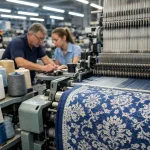
Woven fabrics use warp (lengthwise) and weft (crosswise) yarns interlaced on a loom. The most basic weave is plain weave, found in poplin shirts. Other weaves—twill (seen in chinos) and satin—offer different handfeels and luster.
Table: Knit vs Woven Fabric Structure, Properties, & Applications
| Property | Knit Fabric | Woven Fabric |
|---|---|---|
| Construction | Interlooped yarns (weft/warp knit) | Interlaced yarns (plain, twill, satin) |
| Stretch | High (especially crosswise) | Low (unless elastane blend or bias cut) |
| Drape | Soft, fluid | Crisp, structured |
| Edge Finish | Does not fray easily | Prone to fraying; needs hemming |
| Typical End Use | T-shirts, polos, sweatshirts, activewear | Pants, shirts, jackets, uniforms |
| Cost | Lower; faster to produce | Higher; slower production |
Elasticity: Stretch and Comfort in Knit vs Woven Fabric
Elasticity means how much a fabric can stretch and recover. This property impacts garment fit, movement, and feel.
Knit Fabric: Built-In Stretch
Knit fabrics naturally stretch in one or both directions due to their looped structure. Jersey knits (especially with elastane/Spandex) offer excellent comfort and flexibility, making them ideal for T-shirts and sportswear.
Woven Fabric: Structure First, With Controlled Stretch
Wovens by themselves have minimal stretch, except on the bias (diagonal). However, many modern wovens include a small percentage of elastane for comfort. This adds recovery and ease to pants and tailored shirts. For firm, crisp uniforms or outerwear—wovens excel.
Cost Comparison: Knit vs Woven Fabric in Production
Budget and production speed often play a big role in material choice. Here’s how costs stack up:
- Knit fabrics are typically quicker and cheaper to manufacture. Knitting machines run continuously and can produce wide fabric rolls with little waste. This suits high-volume basics like tees and sweatshirts.
- Woven fabrics require slower, more complex weaving. They often need additional finishing, resulting in higher costs. Pattern matching and cutting can also add labor (especially in plaid shirts or suits).
Best Categories and Ideal Use Cases
Each fabric type has standout categories where it delivers the best feel, look, and long-term wear.
Where Knit Fabrics Shine
- T-shirts, polos, sweatshirts
- Activewear, athleisure, leggings
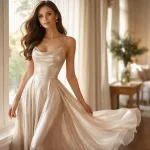
- Soft dresses and stretchy loungewear
- Sports uniforms (soccer jerseys, yoga tops)
When to Rely on Woven Fabrics
- Button-down shirts and blouses
- Chinos, pants, suiting
- Structured jackets and uniforms
- Beachwear, resortwear, promotional shirts needing blocky prints
Performance, Handfeel, and Wear: A Comparative Look
Beyond basic structure, the finish and fiber blend shape performance across categories. Ninghow routinely tests for pilling, colorfastness, shrinkage, and seam strength (using ISO and AATCC protocols).
Knit Fabric Performance
Typical GSM (grams per square meter) ranges for knits are 160–240 gsm (T-shirts, polos) and 280–360 gsm (fleece). Knits tend to pill more, but offer superior softness and breathability. Moisture-wicking and anti-microbial finishes upgrade active lines. Pre-shrinking and compaction reduce wash shrinkage.
Woven Fabric Performance
Wovens run the gamut from lightweight poplin (~120 gsm) to heavy denim (up to 400 gsm). Twill and oxford weaves resist wrinkles and abrasion. Formal wear often needs crisp structure and high color-fidelity, achieved with lab dips and strict batch control.
Decoration Methods: Printing and Embroidery on Knit vs Woven Fabric
Not all decoration methods suit every fabric.
Printing on Knits
Jerseys take plastisol, water-based, or DTF prints well. Over-stretching can cause cracking or warping, so artwork sizing and ink choice matter. Fleece backs need special care—only print on smooth face side.
Embroidery & Decoration on Wovens
Woven shirts and jackets offer a smooth, stable surface for screen print, direct-to-garment (DTG), or intricate embroidery. Densely stitched logos show crisper results on firm fabrics; 3D/puff effects require stable backgrounds. Decoration adds style and branding, and demands proper thread count and compaction.
Sustainability, Compliance, and Quality Assurance
Brands increasingly demand eco-friendly and certified fabrics. Both knit and woven fabrics can use organic cotton (GOTS certified), recycled polyester (rPET), and meet OEKO-TEX STANDARD 100 or BSCI/WRAP standards for social and environmental compliance.
Quality Control in Manufacturing
Detailed tech packs and spec measurement tables guide the process. Regular in-line and end-line inspections, seam and dimensional checks, and AQL sampling protect consistency across batches. Ninghow’s vertical manufacturing ensures reliable lead times and batch-to-batch color stability.
Production Techniques: Cutting, Sewing, and Assembly
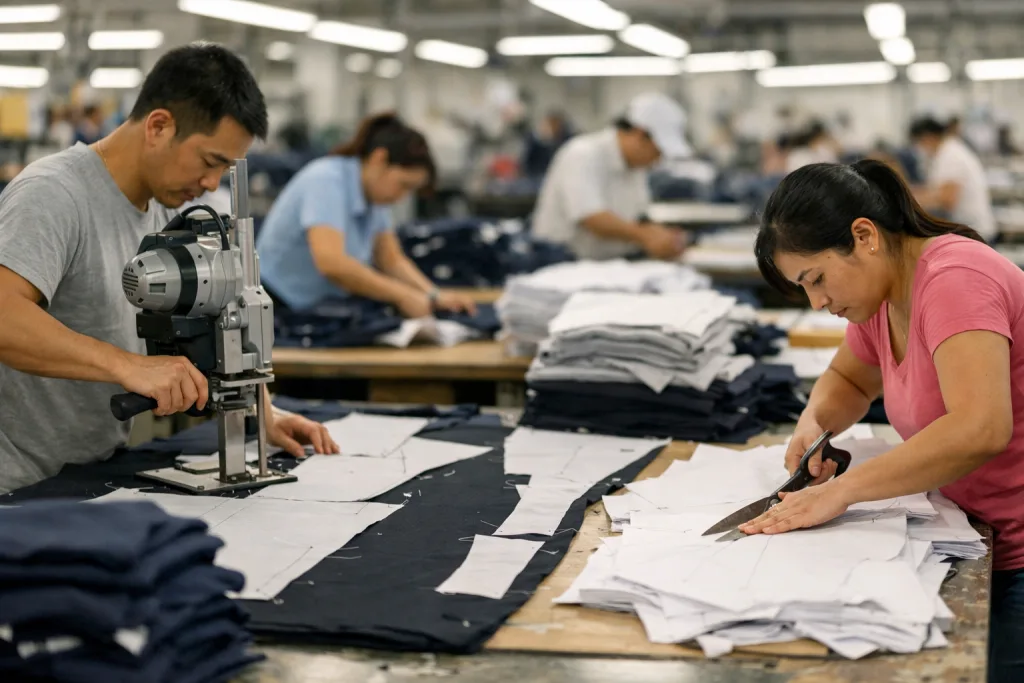
The method of cutting and sewing depends heavily on the fabric type. Each step—pattern making, marking, cutting, stitching—affects cost, fit, and durability.
Cutting Knits
- Relaxing fabric rolls pre-cutting to prevent distortion
- Marker layouts optimized to reduce waste and cost
- Overlock (serger) and coverstitch machines for strong, stretchable seams
Working with Wovens
- Precision cutting to avoid fraying edges
- Straight lockstitch seams (ISO 301/401)
- Reinforcement with bartacks at stress points
Fit and Finish Controls
Wovens require tighter seam tolerances to maintain crisp lines; knits allow more ease due to stretch. Expert pattern grading adapts designs across sizes, managing shrinkage and ensuring global fit consistency—a specialty for factories like Ninghow.
Choosing the Right Fabric: Knit vs Woven Fabric in Apparel Development
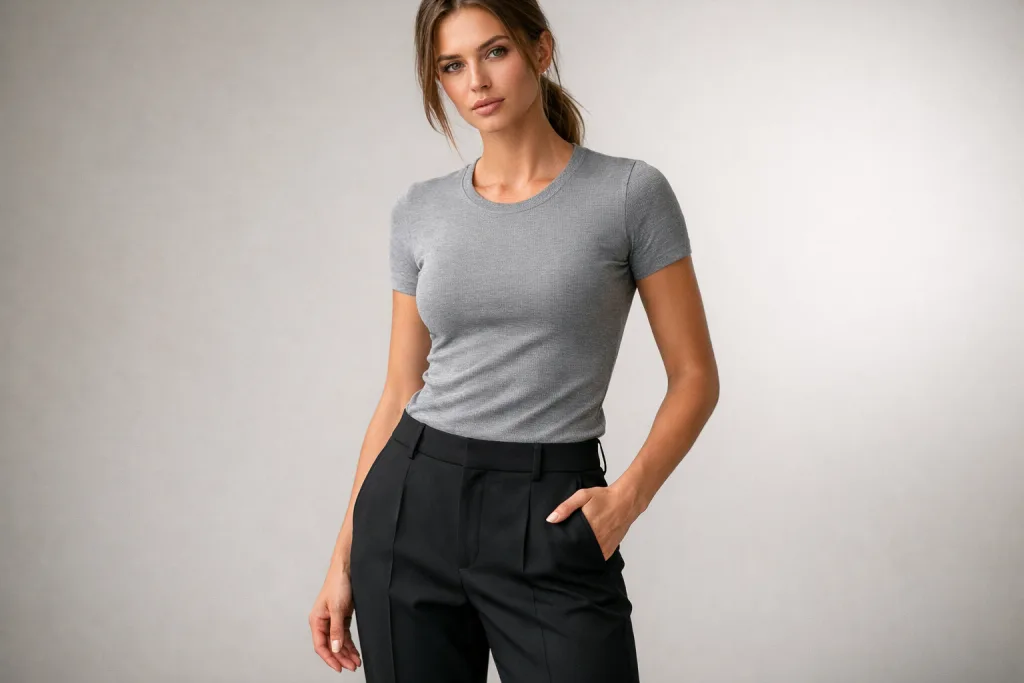
Final fabric selection balances performance, cost, look, and brand values. Here’s a quick decision guide for buyers and designers:
- For comfort, flexibility, and cost—choose knit. T-shirts, sweatshirts, and most sportswear benefit from knits’ stretch and easy care.
- For structure, durability, and sharp looks—go woven. Dress shirts, jackets, and formal pants rely on wovens’ crisp appearance and longevity.
Ninghow’s technical consultants partner with brands to match every brief to the best possible textile and specifications—covering fit, repeatability, eco-standards, and reliable costings.
Frequently Asked Questions
What are the main differences between knit and woven fabrics?
Knit fabrics are made by looping yarns, making them stretchy and flexible, while woven fabrics interlace yarns at right angles, resulting in a stable and structured material.
Which is more suitable for sportswear—knit or woven?
Knit fabrics are best for sportswear because their natural stretch, breathability, and comfort suit active movement and performance needs.
Is knit fabric always cheaper than woven fabric?
Usually, yes. Knits are faster to produce and create less waste, but specialty finishes or blends can change the final cost balance.
Does one fabric type hold prints or embroidery better?
Woven fabrics generally provide a more stable base for precise embroidery and prints, while knits require flexible inks and light artwork to prevent distortion.
Are there eco-friendly options for both knit and woven fabric?
Yes, both types can use organic cotton, recycled polyester, and eco-certified processes like GOTS or OEKO-TEX production standards.
How does fabric choice affect garment fit and stretch?
Knit fabrics stretch and mold to the body for a close fit, while woven fabrics keep a tailored, structured shape with minimal give.