




MOQs, Lead Times & Cost Drivers in Sportswear
Ordering custom sportswear isn’t just about picking colors and styles. Brands must weigh minimum order quantities (MOQs), lead times, and cost variables to ensure smooth launches and healthy margins. From fabric dye lots to trim buys, printing setup, and production capacity, every choice shapes your bottom line.
Understanding these factors helps you make smart decisions. Whether planning soccer kits, running jackets, or promotional polos, grasping how MOQs, lead times, and cost drivers interact gives you control over quality, timing, and spend. Reliable partners like Ninghow craft each order to meet exact specifications, balancing quality and timeliness for growing brands and established teams alike.
Fabric Dye Lots: Consistency and Scale
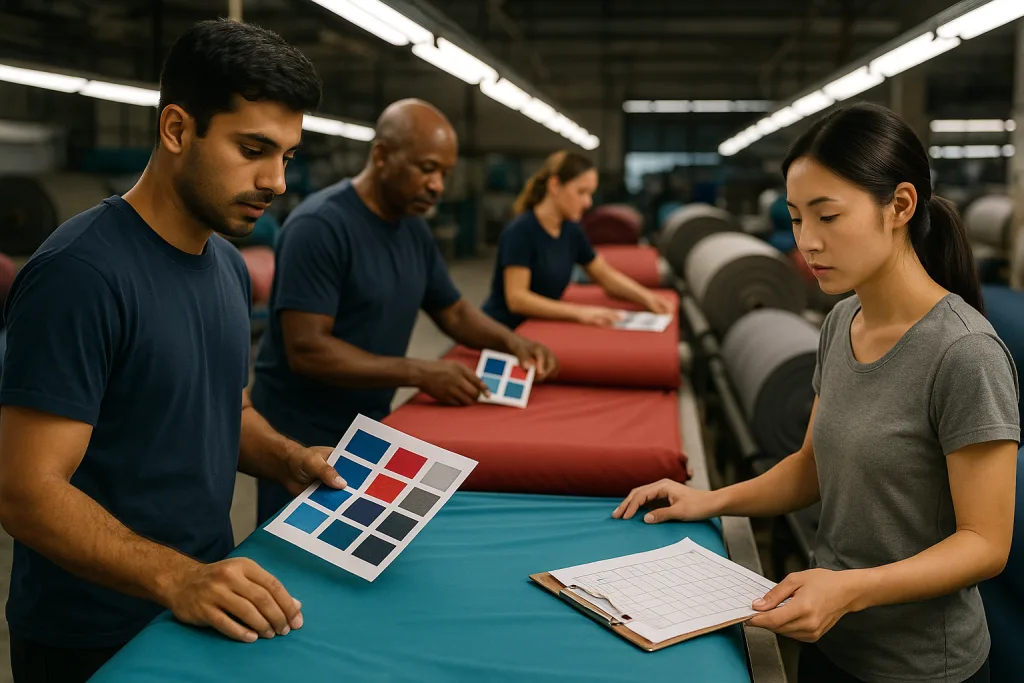
Fabric is the foundation of every sportswear piece. Color consistency isn’t a given at scale; bulk orders require careful control over dye lots. Dye lots are batches of fabric dyed at the same time. Small differences in dye baths can lead to noticeable shade shifts. When brands order below the supplier’s MOQ, mixing lots is common—and color variation risk rises.
MOQ and Dye Lot Impact
- Bulk MOQ (usually 800–1500 meters per color) enables single-lot production, maximizing consistency.
- Low-volume orders may require multiple lots or stock fabrics, risking shade bands across garments.
Pantone Matching and Lab Dips
For precise colors, mills prepare lab dips—small swatches dyed to match a chosen Pantone code. Once approved, bulk dyeing proceeds. Brands receive strike-offs to confirm print color if using panel-printed fabrics. For critical programs, bulk fabric shipment is approved only after shade bands are checked.
Fabric Table: Sportswear Construction vs. Properties
| Fabric Type | GSM Range | Best Use | MOQ Guide |
|---|---|---|---|
| Single Jersey (Cotton/Elastane) | 160–200g | T-shirts, Base Layer | ≤1,200m (bulk color) |
| Pique Knit (Poly/Cotton) | 180–240g | Polo Shirts, Golf Tops | ≥1,000m (single-lot) |
| French Terry (Cotton/Poly) | 260–320g | Sweatshirts, Shorts | ≥800m (solid color) |
| Recycled Polyester (rPET) | 140–180g | Activewear, Soccer Kits | ≥1,500m (per colorway) |
Dye Lot Cost & Timeline Factors
- Larger lots get better pricing per meter; small runs face surcharges and wait for bulk schedule slots.
- Bulk dyeing usually takes 7–21 days post lab dip approval, impacted by mill workload and color complexity.
Trim Buys: Planning for Buttons, Zippers & Labels
Trims—zippers, buttons, drawcords, labels, and threads—can cause production delays if not managed early. Each item has its own sourcing timeline and MOQ. Low MOQs may mean stock trims, limiting color or finish options. Custom trims need advance forecasts.
Common Trim MOQs
- Zippers: 2,000 pieces per style/color; custom tape/hardware may require 5,000+ units.
- Woven labels: Often 5,000 pieces per design, though some suppliers offer short runs for sampling.
- Printed care labels: As low as 500, but plan for overages due to setup.
Trim Cost Drivers
- Material (metal vs. plastic)
- Custom color and branding (nickel, rubberized pulls, embossed logo)
- Sourcing origin (domestic vs. imported trims; import adds weeks and duty)
Scheduling Trim Buys
Brands benefit from consolidating trim buys across multiple styles to hit supplier MOQs. Early order placement, especially before sample confirmation, is critical. Faster lead times demand using available trims, not custom.
Printing Setup: Screen, Sublimation & Embroidery Startup Costs
Decoration techniques add powerful branding value to sportswear. Each method—screen print, sublimation, embroidery, heat transfer—carries its own MOQ, setup fee, and pricing break.
Screen Printing
- Setup cost: $20–$60 per screen/color; typical MOQ is 100–300 pieces for bulk runs.
- Plastisol inks (bold opacity) versus water-based for softer handfeel.
Sublimation
- Best for poly fabrics (soccer kits, cycle jerseys).
- MOQ: 50–100 pieces; setup includes print file prepping and strike-off confirmation.
Embroidery
- Setup cost: $30–$100 per logo (digital pattern creation).
- MOQ: 100–300 units; price increases with stitch count and patch size.
Decoration Time & Cost Levers
- Bulk orders get discounted decoration; small runs pay full setup.
- Complex artwork or multicolor designs need longer lead and higher cost.
- Physical samples add 5–10 days for process proofing.
Capacity Planning and Production Line Setup
Aligning order quantity with a factory’s daily output capacity is key for meeting timelines. Sportswear manufacturing blends machine speed, labor skill, and style complexity. Simple tees move fast; panel-sewn jackets or multi-print football kits take longer.
Line Balancing & SMV
- Standard Minute Value (SMV) sets the expected assembly time for each garment.
- Balanced lines avoid bottlenecks by matching skilled operators to complex tasks (collar attach, coverstitch, bartack).
Sample, Pre-Production & Bulk Scheduling
Factory workflow starts with sample approval, moves to PP (pre-production) samples, then bulk. Rushed schedules risk errors—graded size sets, pattern matching, and cut plans are vital for on-time, in-spec delivery.
Common Lead Time Benchmarks
| Production Step | Standard Lead Time | Rush Lead Time |
|---|---|---|
| Prototype Sample | 7–14 days | 3–7 days |
| Lab Dip / Strike Off | 5–10 days | 3–5 days |
| Bulk Dyeing / Knitting | 14–21 days | 7–14 days |
| Bulk Cutting & Sewing | 21–45 days | 14–30 days |
| Decoration (Print/Embroidery) | 7–21 days | 5–14 days |
| Packaging & QC | 5–10 days | 3–7 days |
Realistic Timelines: From Sample to Bulk Delivery
For most sportswear programs, 60–120 days is realistic from design approval to bulk finished goods. This covers fabric development, lab dips, trims, sampling, production, decoration, QA inspection, and export packing. Simple T-shirt lines—using stock fabric and trims—may ship within 30–50 days. Complex multi-piece kits or custom outerwear takes much longer.
What Speeds Up Timelines?
- Using in-stock materials (cuts 2–4 weeks off lead time)
- Bulk order coordination (reduces changeovers and idle machine time)
- Flexible overseas logistics partners (Ninghow ships EXW, FOB, CIF, DDP)
Key Delays to Avoid
- Late confirmation of tech packs or artwork files
- Missed trim MOQs—forcing sourcing changes or shipment delays
- Repeated lab dip, print, or sample revisions
Brands should build 2–4 weeks buffer for ocean shipping, customs clearance, or force majeure (unexpected events).
Cost Drivers: Materials, Labor, Decoration, and Logistics
Several levers influence sportswear production cost. Raw materials, complexity, decoration, compliance, shipping, and order size each play a role.
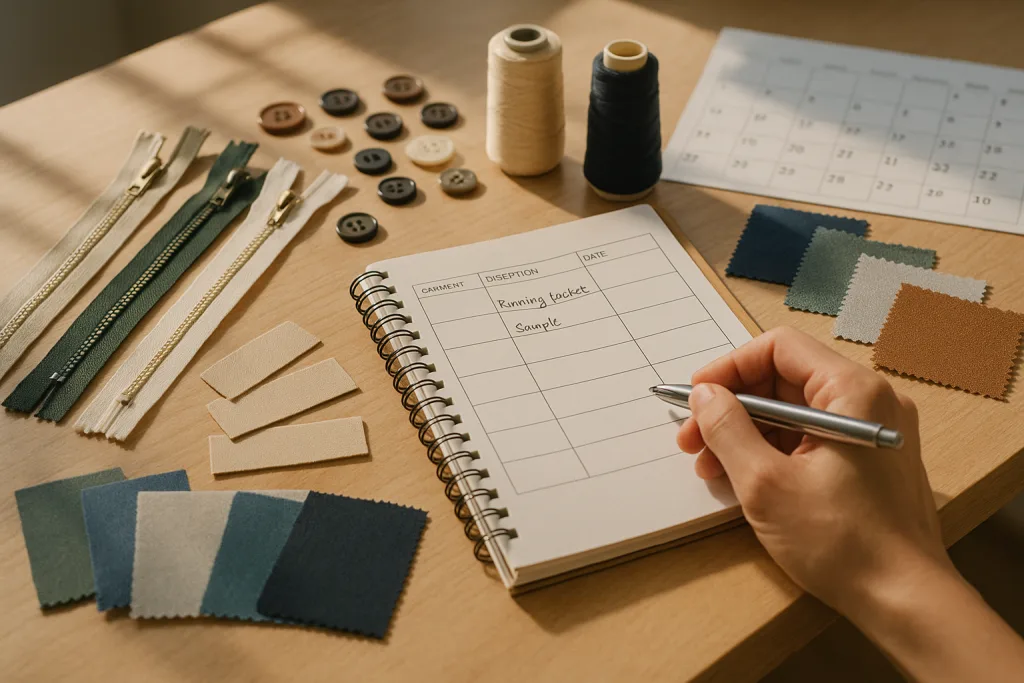
Material Choices
- Organic cotton, recycled poly, and technical blends cost 10–30% more vs. commodity fabrics
- High GSM, multi-layer, or specialty finishes (moisture-wicking, antimicrobial) add price
Sewing Construction
- Advanced seam types: flatlock (ISO 607), coverstitch hems, bartack reinforcements all add labor and time
- Precision pattern cutting and auto-marking saves waste but requires setup
Decoration & Compliance
- Multi-technique decoration (embroidery + print) increases unit cost and setup time
- Third-party certifications (GOTS, OEKO-TEX 100, SEDEX) add compliance fees
Logistics & Incoterms
- EXW/FOB/CIF/DDP terms affect unit cost by covering factory, shipping, or customs fees
- Larger cartons, single-color packing and optimized ratios save handling and freight
Bulk vs. Small Order Pricing
- Bulk runs (1,000+ units) unlock economies of scale (>10–20% per unit savings)
- Sampling and low-MOQ programs see higher setup and per-piece costs
Ninghow offers tailored sourcing and planning to help brands right-size orders and manage cost across sports, lifestyle, and event apparel programs. Sustainable options and consistent sizing underpin every bulk order.
Case Study: MOQ & Lead Time Management for Team Kits
Launching a new football kit for a sports league offers insights into real-world MOQ and lead time management. The client sought 700 sets—jersey, shorts, socks—with custom colors and names.
- Lab dips for each colorway approved in three rounds (12 days). Bulk poly dye and knitting booked for 1,200m MOQ per color.
- Custom trims (velcro badge, woven label) sourced in parallel (MOQ 2,500+), surplus planned for replacement kits.
- Screen print setup (logos and player names) started after PP sample sign-off. Each colorway needed 3 screens.
- Factory scheduled 5 balanced lines for cutting/sewing. Bulk started 20 days post approval.
- Finished kits received in 92 days, including packaging and ocean transit.
The outcome: consistent colors, on-time delivery, and cost savings from efficient trim and print planning.
Sportswear MOQ Lead Time: Strategic Guidance
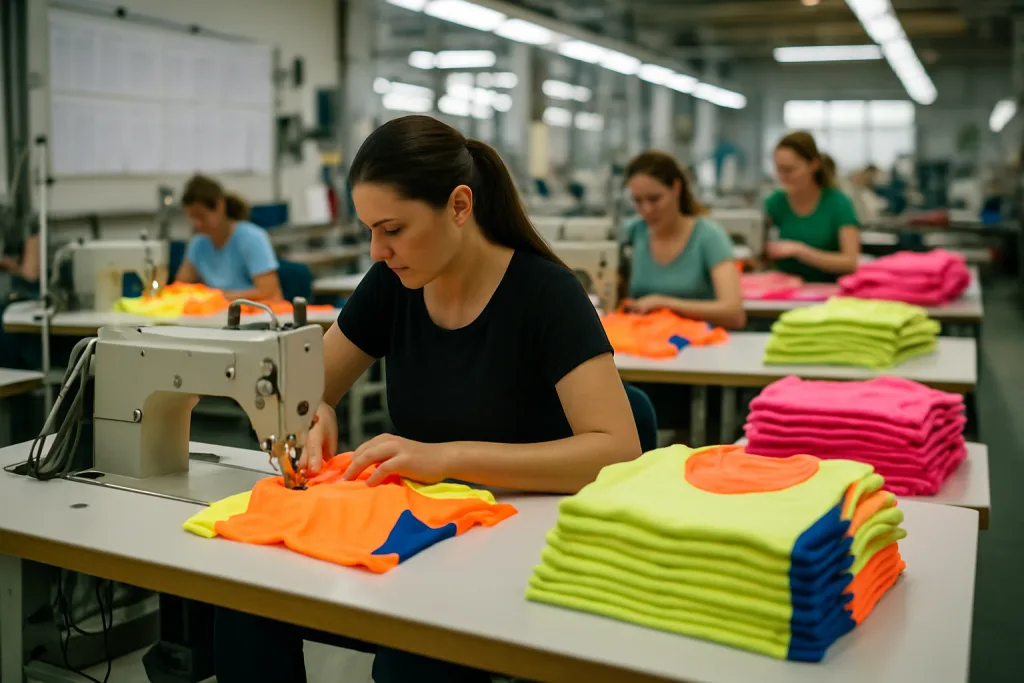
Sportswear brands must develop order strategies tied to factory MOQs, accurate lead times, and cost levers. Early tech pack preparation, trim order planning, and focused sampling minimize risk. Collaborate with vendors on dye lot scheduling and printing to guarantee consistency at scale.
Bulk orders unlock better pricing, faster runs, and more trim options. Investing up front in compliance, pattern grading, and lab dip approval ensures apparel arrives as designed. For lasting partnerships, work with manufacturers committed to quality and fit consistency, like Ninghow.
- Set realistic lead times for each production stage—not just shipping.
- Consolidate trims and styles to hit MOQs, reduce sampling rounds.
- Monitor color approval tightly for sports, team, and promotional orders.
With smart planning, brands gain control over timeline, cost, and product reliability. Sportswear MOQs and lead times aren’t obstacles—they’re keys to launching successful programs from clubs to corporations.
Frequently Asked Questions
What does MOQ mean in sportswear production?
MOQ stands for minimum order quantity, which is the smallest bulk volume a factory will produce for a style or color. It affects pricing, color consistency, and trim options.
How are sportswear lead times calculated?
Lead times cover the full process: material sourcing, sample making, bulk production, decoration, packing, and shipping. Key drivers are order complexity and factory capacity.
Why do dye lots matter for fabric orders?
Dye lots affect color consistency. Each dye batch may have slight shade differences; bigger orders can use a single lot, reducing visible color variations between products.
Can I order custom trims for small sportswear runs?
Custom trims typically have high MOQs, so small runs rely on stock trims or pay a premium for short-run special orders. Planning ahead can secure better options within supplier limits.
How does printing setup impact cost and schedules?
Each print or embroidery design requires setup fees and approvals. Small runs pay more per piece; multicolor and complex logos also extend production timelines.
What’s the fastest timeline from sample to bulk delivery?
Using stocked materials and trims can cut sportswear lead time to 30–40 days, but most custom programs need 60–120 days to navigate sampling, bulk production, and shipping.