








Understanding OEKO-TEX, Bluesign, and REACH
Each certification or standard has a specific focus. Together, these frameworks cover everything from chemical safety to environmental practices. Here’s why every oeko tex sportswear manufacturer builds these credentials into their process.
OEKO-TEX: Confidence in Safety
OEKO-TEX STANDARD 100 shows a product is tested for harmful substances. Labs check the fabric, dyes, threads, and even buttons, using strict test limits for hundreds of regulated and non-regulated chemicals. Both finished goods and component parts must pass. Many schools, sports programs, and retailers now require every piece of apparel to carry the OEKO-TEX label.
Bluesign: The Environmental Approach
Bluesign focuses on environmental impact and safe chemical use from start to finish. It audits dyehouses, laundries, and trim suppliers—not just final assembly. Manufacturers must cut out hazardous chemicals, control water and energy use, and document every step. For brands seeking true sustainability or European market entry, Bluesign is essential.
REACH: European Chemical Law
REACH (Registration, Evaluation, Authorisation and Restriction of Chemicals) is the tough chemical regulation required for textile products sold in the EU and EEA. It bans or limits SVHCs (Substances of Very High Concern)—including some phthalates, dyes, heavy metals, and flame retardants. It covers apparel, footwear, trims, adhesives, prints, and packaging.
When Brands Need These Certifications & Standards

The right certificate helps brands unlock new customers, expand into strict markets, and win trust. But not every project has the same requirements. Knowing when each applies saves time, money, and reputational risk.
| Standard | What It Covers | When Needed | Market Focus |
|---|---|---|---|
| OEKO-TEX 100 | Tested for 100+ harmful chemicals | Any apparel, especially baby/children, sportswear, uniforms | Global |
| Bluesign | Process safety, environmental management | Sustainable, eco-friendly, EU-focused brands | Western Europe, North America |
| REACH | Substance restrictions, documentation | All textile/apparel imported to EU/EEA | EU/EEA |
Brand Scenarios
- If you supply sports uniforms to a school, OEKO-TEX may be required.
- If your brand promotes eco-friendly activewear, Bluesign-certified materials prove you minimize impact.
- If you sell in Germany or France, REACH compliance isn’t optional—it’s the law.
Why Show Certifications?
- Gives peace of mind to health-conscious buyers and end-users.
- Avoids customs seizure, penalties, or recalls—especially in the EU.
- Supports brand storytelling and marketing efforts.
- Streamlines B2B sourcing and reduces audit delays.
The Lab Testing Workflow: From Yarn to Garment
Certification doesn’t happen at the last minute. It starts with supplier selection and ends at the final inspection table. Here’s a step-by-step overview, as seen in leading Ninghow projects:
1. Supplier Pre-Qualification
Factories source yarns, fabrics, and trims from mills with proven records or pre-existing OEKO-TEX/Bluesign/REACH compliance. This reduces costly failed tests later.
2. Lab Dip and Bulk Color Approval
Every new color needs testing. Not only must it match the Pantone shade, it must also pass chemical safety checks. Laboratory partners like SGS or Intertek test for formaldehyde, pH, color fastness, and restricted substances.
3. Material Testing for Certification
Core yarns and finished fabrics undergo specific tests: OEKO-TEX checks for azo dyes, heavy metals, and pesticides. Bluesign audits production process logs. REACH focuses on SVHC content and traceability of all chemicals used.
4. In-Line Controls and Batch Sampling
During cutting and sewing, factories retain random samples. Inline and endline QA tests for accurate measurement, seam security (ASTM D1683 or ISO 13935), and visual inspection of prints or logos. Needle detection ensures no broken needle parts remain in product, vital for children’s or sportswear lines.
5. Certification Lab Submission
Representative samples are sent to authorized labs. This includes complete care labels, prints, trims, and accessories—since certification covers every input, not just fabrics. Test reports are tied to the lot or batch and renewed annually for continued compliance.
6. Documentation & Traceability
Each certified product receives a report and unique certification ID. Brands can trace which material batch and lab report aligns to each shipment—crucial for brands selling in the EU or North America.
Inside OEKO-TEX Sportswear Manufacturer Compliance
Ninghow has invested in certified supplier partnerships and strict quality systems to meet top-tier compliance. Here’s what this looks like in practical terms for brands and private label buyers:
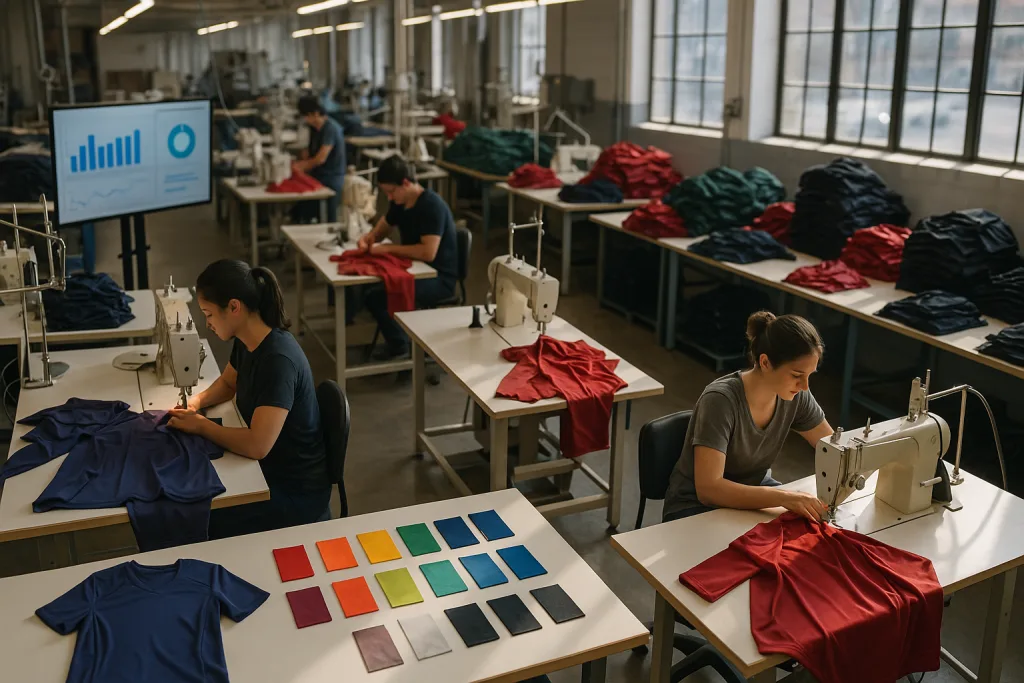
- Material Sourcing: Sourcing combed cotton (20s/24s/32s), organic cotton (GOTS certified upon request), rPET, and elastane blends that carry OEKO-TEX or Bluesign certificates. Typical weights: 160–220 gsm for T-shirts and polos; 280–360 gsm for fleece.
- Dye & Print Safety: Using only approved dyestuffs, water-based or plastisol inks tested for lead and phthalates. All prints and heat transfers pass AATCC and ISO color fastness standards.
- Lab Testing & QC: Regular inline and batch-level AQL audits. Samples undergo colorfastness, pilling (ISO 12945), dimensional stability (AATCC 150), seam strength, and chemical residue tests (with full test reports filed for traceability).
- Accessory & Label Compliance: Zippers, buttons, threads, woven labels, and care labels all checked for REACH SVHCs and OEKO-TEX match. No nickel, chromium VI, or AZO dyes allowed.
- Sustainability Reporting: Bluesign-approved production partners provide details on wastewater management, energy use, and worker health.
Takeaway: Certification is more than a logo. It builds buyer trust, opens new markets, and helps avoid costly compliance mistakes. Choose suppliers who show detailed lab reports and maintain their certificates.
Certifications & Standards: OEKO-TEX, Bluesign, REACH Basics
The foundation of compliant sportswear manufacturing is knowing what each standard demands—and why. Here’s a deeper dive into what brands, buyers, and sourcing managers need to know about each framework.
OEKO-TEX STANDARD 100
This globally recognized badge means every component of the product has been tested for harmful substances. Critical for products that touch skin—like sports bras, base layers, and T-shirts. OEKO-TEX frequently updates its restricted substance list, keeping brands ahead of new chemical bans. Brands should ask suppliers for a current certificate or lab test for each batch and colorway.
Testing Methods
- Extraction and detection for formaldehyde, heavy metals, chlorinated phenols, and banned amines.
- Color fastness, pH, and physical durability checks.
- Random sampling tracked by lot; non-compliant batches refused or destroyed.
Bluesign
Bluesign is a European standard focused on safe chemistry and clean production. Bluesign System Partners must audit and disclose all chemicals, use water responsibly, manage air and energy emissions, and ensure safe working conditions. Brands can use the Bluesign label only if both fabric and process are certified.
Brand Advantages
- Supports sustainability marketing and compliance with retail group policies (such as ZDHC).
- Competitive advantage for eco-conscious buyers in the EU and North America.
- Facilitates faster onboarding with leading platforms and distributors.
REACH Basics
REACH covers textile chemicals on products sold in the European Union. It aims to protect both users and workers from exposure. Every imported good must declare that no SVHC exceeds threshold limits; surprise audits can occur anytime. Non-compliant shipments face customs seizure, fines, or forced recalls.
Key Compliance Steps
- Maintain declarations and laboratory test reports on file.
- Screen every new material and accessory before purchase orders.
- Stay updated on regular changes to the REACH SVHC list.
Choosing the Right OEKO-TEX Sportswear Manufacturer
Not all OEMs or ODMs approach compliance with equal attention. Brands should ask direct questions and review documents for every collection. Here’s what sets a trusted oeko tex sportswear manufacturer apart:
- Transparent supplier lists and up-to-date certificates.
- Routine batch-level lab testing and visible traceability systems.
- Willingness to provide sample swatches and lab reports before bulk order.
- Clear documentation for EU market or eco-focused buyers.
Ninghow supports leading sportswear brands by sharing all relevant certificates, enabling joint lab testing, and following a clear workflow for new designs and re-orders.
Red Flags
- No recent certificate or expired OEKO-TEX/Bluesign reports.
- Supplying fabric or trims from unknown small suppliers with no audit traceability.
- Inability to explain past failures or improvement workflows.
From Certification to Consumer: The Final Steps
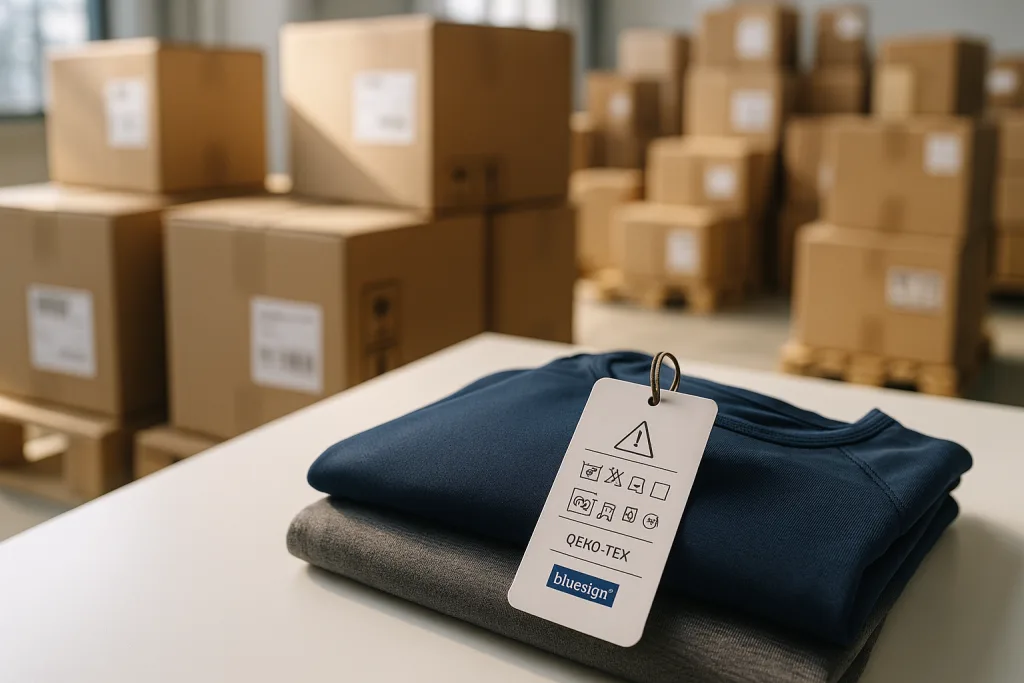
The journey doesn’t end with lab approval. Each garment and accessory must be packaged, labelled, and shipped per compliance rules. That includes:
- Packing by certified lot: batch numbers matched to test reports.
- Using care labels with correct ISO 3758 symbols and no banned substances in inks.
- Export cartons labelled to show compliance for customs inspection.
- Full traceability—down to the supplier, dye lot, and even sewing operator for critical markets or recalls.
This rigorous approach allows brands to confidently sell in the world’s strictest markets, support sustainability claims, and offer safe, premium sportswear to every customer.
Frequently Asked Questions
What is OEKO-TEX and why does it matter for sportswear?
OEKO-TEX is a global standard that tests textiles for harmful chemicals. Sportswear with this certification ensures products are safe for skin and meet buyer expectations for safety and quality.
What distinguishes Bluesign from OEKO-TEX for apparel?
Bluesign controls the entire manufacturing process for environmental impact and chemical safety, while OEKO-TEX focuses on finished product testing for harmful substances.
Is REACH required for all apparel sold in Europe?
Yes, REACH is mandatory for textiles, sportswear, trims, packaging, and all related products placed on the EU/EEA market to limit exposure to hazardous chemicals.
How do brands verify if a manufacturer is truly certified?
Brands should ask for current, unaltered certificates and test reports linked to their production batches, and verify them with the issuing agency’s online records.
What are the key steps in the lab testing workflow?
The steps include sourcing from certified mills, lab dip and color approval, fabric testing, inline and batch QC, submitting samples to authorized labs, and final documentation.
Can Ninghow help with custom testing or market-specific compliance?
Yes, Ninghow supports custom lab testing, market entry documentation, and helps brands develop compliance strategies for global sportswear programs.