







Unlocking Global Sportswear Size Chart Mastery
Building sportswear that fits people well across the globe is a puzzle. Every region—US, EU, and Asia—has unique sizing systems. Understanding global size grading, conversion maps, and fit standards is critical for sports brands, wholesalers, and OEM partners. Getting this right reduces costly returns, boosts buyer trust, and wins repeat orders.
Region-Specific Sportswear Size Chart Conversions
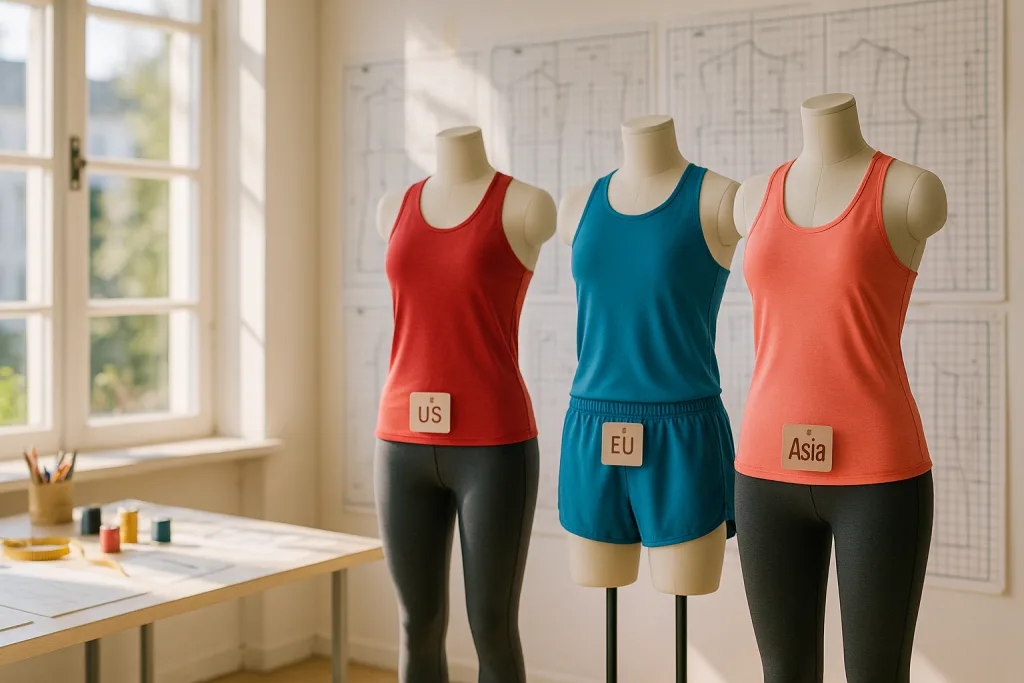
Size charts form the heart of apparel development. US, EU, and Asian regions interpret measurements differently, often with unique base points. For example, a US medium rarely matches an EU medium, and Asian sizing tends to run smaller. Brands and manufacturers must cross-reference these conversions with reliable tables and check real samples to avoid mismatches.
| Label | Chest (cm) | US | EU | Asia |
|---|---|---|---|---|
| Small | 86-91 | S | 46 | M |
| Medium | 96-101 | M | 50 | L |
| Large | 106-111 | L | 54 | XL |
| X-Large | 116-121 | XL | 58 | 2XL |
Ninghow’s Approach: Precision Conversion
Ninghow uses extensive graded fit sets and lab-verified measurements to ensure each piece matches its intended market. Pre-production samples get measured against size chart conversions and real-world fit feedback to prevent unpleasant surprises for buyers.
Size Grading Rules for Sportswear
Size grading means expanding or reducing a garment from its base size. In sportswear, this is done using specific increments, called grade rules, applied across different body dimensions—chest, waist, hip, and sleeve. Western grading usually applies larger jumps between sizes (e.g., 5 cm in chest), while Asian grading may step in 3–4 cm to suit local builds.
Setting Grade Rules
- Choose a base size (e.g., US M, EU 50, Asia L).
- Assign grade increments (cm or inches)—often 4–5 key points.
- Apply tolerances for each region to allow for textile stretch/shrinkage.
- Manually check fit when switching from knits (stretchy) to wovens (less stretch).
Sample Grade Increment Table (Men’s Polo Shirt)
| Measurement | Base (M) | Grade (+/-) |
|---|---|---|
| Chest | 100 cm | +/- 4 cm |
| Waist | 94 cm | +/- 3 cm |
| Sleeve | 22 cm | +/- 1.5 cm |
| Length | 70 cm | +/- 2 cm |
Tolerance Tables and Real-World Fit
Grading means nothing if tolerances aren’t managed. Tolerance tables set the acceptable measurements for garments at each size—usually ±0.5 to ±2 cm. Mistakes in tolerance cause sizing complaints, returns, and brand damage.
Sample Tolerance Table
| Measurement | Tolerance (cm) |
|---|---|
| Chest | ±1.0 |
| Waist | ±0.8 |
| Sleeve Length | ±0.7 |
| Body Length | ±1.2 |
Managing Tolerances Effectively
- Use calibrated layout boards and certified tapes for measurements.
- Check samples after washing, not just before.
- Include tolerances in tech pack and bulk approval workflows.
- Document fit exceptions to minimize risk.
Common Pitfalls in Size Chart Conversion
Even with a clear sportswear size chart, conversion risks linger. Some issues often catch brands:
- Misinterpreting base sizes (e.g., US S vs. EU 46 vs. Asia M).
- Ignoring garment ease—how loose vs. fitted the style is.
- Missing different body proportions (Asian shorts may run shorter).
- Overlooking age/gender adjustments between markets.
- Relying on labeled tag size, not real garment measurements.
How Ninghow Avoids Conversion Errors
At Ninghow, every sportswear order gets grade sets checked on fit models from each region. Bulk garments are measured during inline and endline QC, with results logged against the official size chart, plus customer feedback review post-delivery.
Setting Up Fit Model Programs for Global Markets
A fit model is a person whose body matches the exact target dimensions for a given clothing size. Each market needs dedicated fit models (or mannequins) for US, EU, and Asian bodies. For instance, a US men’s medium is both taller and broader than an Asia L fit model, and EU standards include more taper.
Key Steps to Fit Model Success
- Source fit models aligning with graded spec for each target market.
- Run live fitting sessions at proto, SMS, and TOP (top of production) stages.
- Gather actionable feedback—note armhole comfort, rise in pants, sleeve movement.
- Update grading and patterns based on fit session findings.
Expert Takeaway
“A calibrated fit model program prevents mislabeling and ensures brands’ sportswear fits real customers, not just mannequins.”
Strategies to Prevent Size-Related Returns
Size mismatches trigger up to 40% of apparel returns. From an apparel manufacturer’s view, clear sportswear size chart communication solves much of this. Conversion transparency, tolerances, live fit model checks, and clear labeling are essential.
Five Steps to Lower Size Returns
- Publish detailed, region-specific size charts with body and garment measurements.
- Provide lifestyle photos and model stats for context—show fit on real bodies.
- Feature video fit guides for complex styles (e.g., compression gear).
- Suggest buyers measure themselves with printable guides.
- Allow size exchanges via frictionless logistics, but aim for first-time accuracy.
Ninghow’s Returns Approach
Every sportswear batch undergoes multi-point measurement checks. Data links back to tech packs and customer feedback to steadily reduce returns year after year. This adds value for wholesalers, retailers, and end buyers alike.

Material, Construction, and Compliance Impact on Size Charts
Materials and build type affect sizing more than most people think. Cotton shrinks more than polyester; elastane blends stretch. Knits (single jersey, pique, interlock) react differently in conversion than wovens (twill, poplin). Standard finishes like preshrunk or moisture-wicking also change fit after washing.
Material Examples
- Combed cotton (20s/24s/32s): Soft, may shrink 2-4% post-wash.
- Recycled polyester/Elastane: Maintains shape, less shrinkage, more flexibility for tight fits.
- Modal/Viscose blends: Drapes smoothly, requires careful tolerance adjustment.
- French terry/fleece (280–360 gsm): Bulky, needs bigger baseline for true-to-size comfort.
Compliance Standards
Brands exporting globally must follow sizing and label mandates. Follow standards such as ISO 3635 for size designation, ISO 3758 for care labels, and OEKO-TEX STANDARD 100 for material safety. Always match sizing with compliance from tech pack to packaging for every region.
Optimizing Sportswear Size Chart for E-commerce Success
Online sales depend on precise sportswear size chart displays. Include comparison tables covering US, EU, and Asia sizes. Use intuitive layouts, conversion calculators, and FAQs. Customers buy with confidence when sizing feels tailored and clear.
Best Practices in Sizing UI
- Highlight differences and equivalence between global sizes.
- Update charts regularly based on real fit feedback.
- Include garment measurements, not just body specs.
- Display universal measuring instructions for buyers.
Streamlining Orders With Buyer Guidance
Ninghow offers custom size chart development for sportswear brands, OEM/ODM programs, and online retailers aiming for fewer returns and happier customers.
sportswear size chart
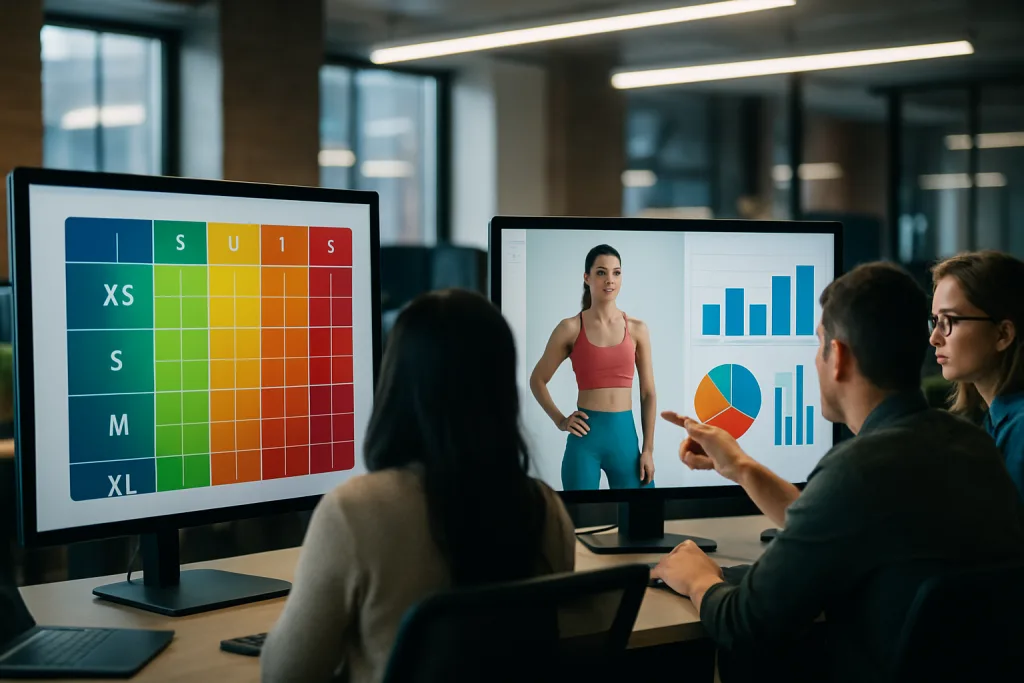
A reliable sportswear size chart is the backbone of global clothing sales. Clear conversions between regions—US, EU, Asia—minimize confusion. Accurate grading, strict tolerances, and transparent fit data keep buyers satisfied and brands successful. Using best practices and expert support, your sportswear line will achieve international consistency.
Frequently Asked Questions
How do US, EU, and Asia sportswear sizes differ?
US sizes run larger; EU uses numbers; Asia tends toward smaller, slimmer fits but labels medium as L or XL. Always check conversions.
What is a grading rule in apparel sizing?
Grading rules set precise measurement jumps (increments) between garment sizes to assure proportional fit on every size.
Why do tolerances matter in size charts?
Tolerances allow small measurement differences from manufacturing, protecting fit consistency and minimizing customer complaints or returns.
How does material choice impact sizing conversions?
Materials shrink or stretch differently; cotton shrinks, elastane stretches, polyester holds shape—adjust conversion charts for each fabric.
What does a fit model program involve?
A fit model program tests clothes on real bodies in each region to ensure the sportswear matches expected fit before bulk production.
How can brands reduce online sportswear size returns?
Publish clear size charts, use model photos, include measuring guides, get buyer feedback, and check sizing fit with real customers.