





Golf Polos for Performance & Branding (with Ninghow)
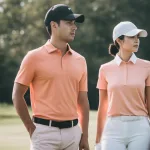
Golf polos have become an icon of sports style and a key part of branding for teams, tournaments, and businesses. When choosing a golf polo manufacturer, understanding the details—like fabric weights, construction, and decoration options—is critical. This guide breaks down what affects performance, comfort, and brand impact, focusing on specifics that matter for buyers. Ninghow, known for quality and consistency in OEM/ODM golf polos, shares insights from their experience in high-end production.
Choosing the Right Fabric: Pique Vs. Jersey and Optimal Weights
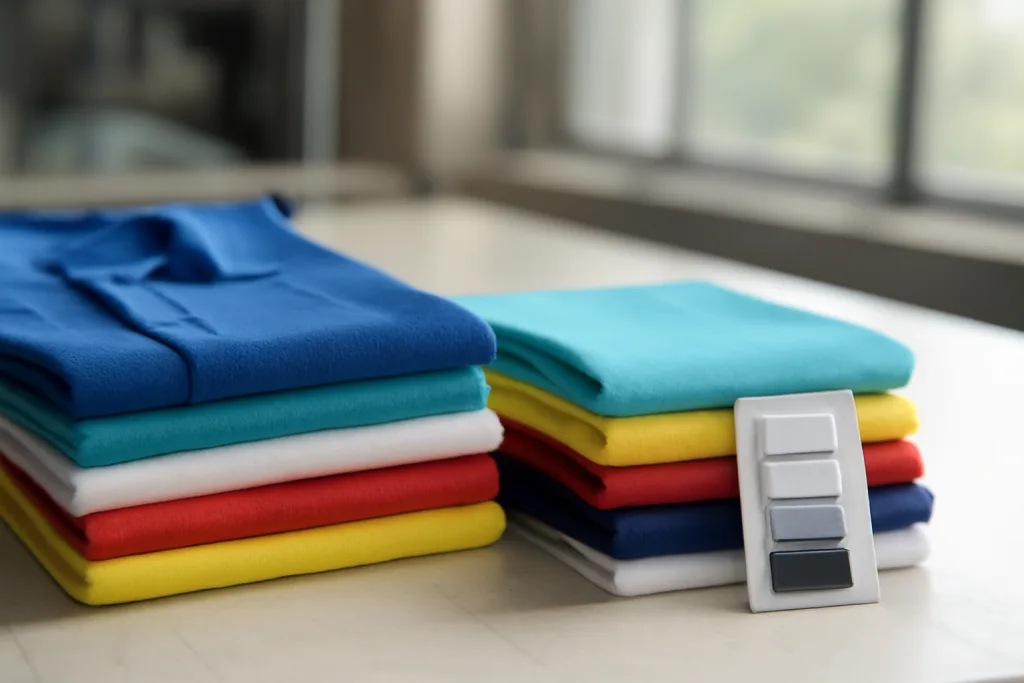
The fabric of a golf polo shapes everything from comfort to how well it shows off your brand. Most polos use either pique or jersey knits. Pique, with its subtle texture and breathability, is the classic golf look. It resists wrinkles and sits away from the skin, making it popular for team uniforms and resorts. Jersey, smooth and lightweight, offers good stretch and a clean surface for prints. Both come in different fabric weights, which influence feel, durability, and drape.
| Fabric Type | Typical GSM | Properties | Best Use Scenario |
|---|---|---|---|
| Pique (Cotton/Poly Blend) | 180–220 gsm | Textured, breathable, upscale handfeel | Classic golf, uniforms, lifestyle |
| Single Jersey (Cotton/Elastane) | 160–200 gsm | Smooth, stretchy, prints well | Promotional, sporty, fashion-forward |
| Modal/Viscose Jersey | 170–210 gsm | Soft, drapey, moisture-wicking | Luxury casual, resort wear |
| Recycled Polyester Jersey (rPET) | 180–220 gsm | Lightweight, quick-dry, sustainable | Team, outdoor, eco-conscious programs |
The Impact of GSM
GSM stands for grams per square meter—a measure of fabric weight. Higher GSM means thicker, more opaque polos. For warm climates, many opt for 160–180 gsm; for durability and premium look, 200–220 gsm works well. Ninghow supports custom GSM selection based on application, offering batch control and lab-dip approval for precise color matching.
- Pique knits deliver lasting shape and luxury texture.
- Jersey knits provide a fast-drying, contemporary feel.
- Fabric weights balance comfort against durability and print clarity.
Collar Constructions: Details That Make or Break Style
The collar defines a golf polo’s profile. Most options use either rib, flat-knit, or self-fabric collar constructions. Rib collars are traditional and can include Lycra yarns to resist curling. Flat-knit collars offer crisp lines and upscale appearance for premium polos. Self-fabric collars—made from the same body cloth—deliver a modern, minimal look but need careful edge reinforcement.
How Collar Construction Impacts Performance
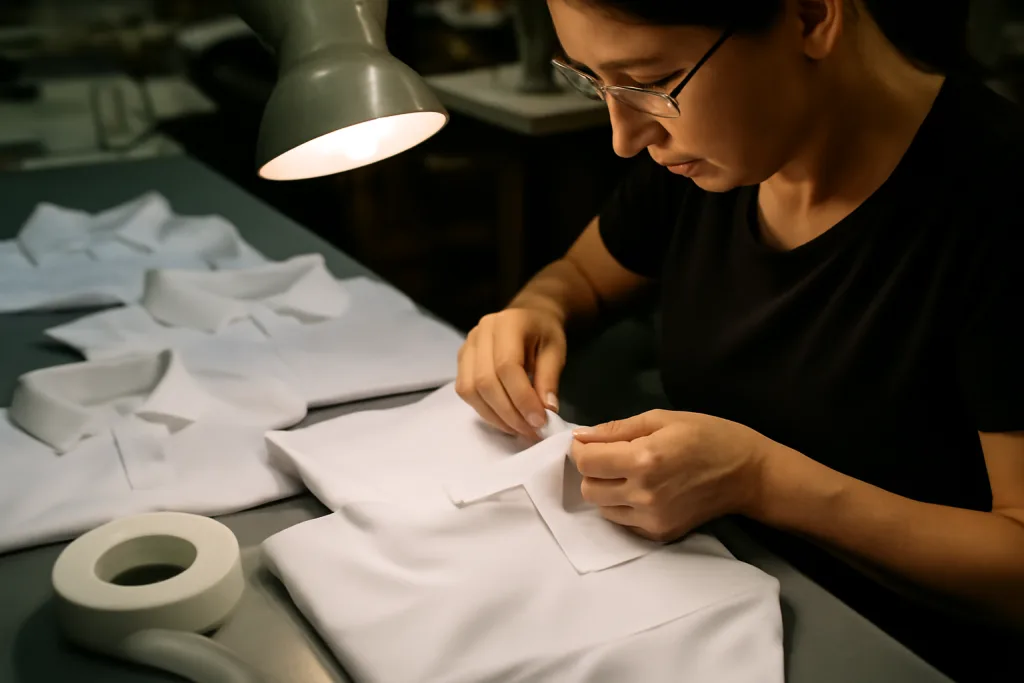
- Anti-curl reinforcement: Tape or fused interlinings inside the collar keep edges sharp through repeated washes.
- Stitching and needle choice: Lockstitch or coverstitch techniques and ISO 301/401 stitches minimize puckering and allow the collar to lay flat.
- Collar shape and depth: Precise pattern cutting with grade tolerance ensures consistency across all sizes.
“A well-made collar doesn’t just look sharp—it upholds your brand’s image wash after wash.”
Innovations in Collar Design
Ninghow’s manufacturing specialists apply anti-curl treatment with high-quality interlinings and lycra-infused ribs. For sharper branding, color blocking and tipping (contrasting lines) are available. Fused collars, now common in resort and luxury polos, maintain symmetry and resist deformation over time.
Placket Options: Functional Style Choices
The placket—the strip with buttons—adds structure and creative branding possibilities. Standard choices include two- or three-button plackets, covered plackets (hiding buttons), and contrast fabric details. High-quality polos often use reinforced stitching around the placket for extra strength. Button selection shapes both look and performance; Ninghow offers etched, mother-of-pearl, and branded resin options.
Placket Construction Techniques
- Precise marker layout and deep placket facings minimize fraying.
- Bartacks (reinforcing stitches) added at the bottom extend the placket’s lifespan.
Placement accuracy and button spacing—usually 7–8 cm apart—determine ease of wear and appearance. Customizing thread color and stitch density lets buyers reinforce brand color palettes or event themes.
Logo Methods for Lasting Brand Impressions
Golf polos display logos on the chest, sleeve, or nape for team pride and sponsor visibility. How the logo is applied impacts comfort, durability, and handfeel. The main methods are embroidery, screen print, heat transfer, and digital print (DTF or sublimation for polyester polos). Each suits different budgets, quantities, and design requirements.
- Embroidery: Creates textured, premium logos. 3D/puff techniques add depth. Best for crests and small branding.
- Screen Print: Ideal for bold, flat graphics. Plastisol and water-based inks give different feels; Ninghow advises wash-testing for lasting results.
- Heat Transfer: Clean edge, suitable for complex colors and smaller production runs.
- Sublimation: Best on white or light polyester polos. Seamless logos with bright colors, suitable for all-over prints.
Logo Placement and Quality Control
Precise location is critical—Ninghow uses tech packs and size sets to ensure logos sit uniform across all sizes. Inline and endline QC checks catch any needle skips, puckering, or misalignment. Wash testing (ISO 105-C06) ensures durability under repeated laundering. Pantone-matched threads and inks guarantee color fidelity for every batch.
Ninghow Golf Polo Capability: OEM/ODM Solutions for Teams and Brands
Ninghow stands out as a golf polo manufacturer by blending quality with flexibility for businesses and teams. Their production spans combed cotton, organic/GOTS yarns, recycled polyester (rPET), and performance blends. With controlled GSM ranges, buyers can optimize for climate, budget, and branding goals. Advanced pattern cutting (auto-cutter and marker optimization) supports consistent fit, while skilled line balancing keeps lead times tight.
Decoration and Finish Options
- Embroidery (flat, 3D), appliqué, and badge attachments
- Screen, DTF, DTG, and sublimation print methods
- Antimicrobial, moisture-wicking, and UV finishes for athletic applications
- Pre-shrunk or compacted knits reduce size change after washing
Compliance, Packaging, and Service
Ninghow meets global standards: OEKO-TEX STANDARD 100, GOTS organic requirements, and BSCI workplace ethics. Cartons carry clear size marks and barcodes for seamless logistics. Their extensive OEM/ODM service covers design development, PP sample approval, and TOP processes, supporting apparel buyers from concept to delivery.
Golf Polo Manufacturer: Supporting Teams, Events, and Businesses
Reliable fit and finish matter as much for teams on the green as for brands at sponsorship events. Ninghow’s streamlined workflows ensure size ratio packs match demand, while bulk color control keeps every batch perfect for your next golf outing or tournament.
Applications: Sports, Branding, and Corporate Programs
Golf polos fit more than the course. Custom performance polos brand teams, unify staff, and elevate promotional programs. Many clubs now order polos with specialized moisture-wicking or anti-odor finishes, using woven labels and ISO 3758 care instructions for easy international sales.
- Team uniforms for tournaments and leagues
- Corporate gifts and promotional events
- Resort, hospitality, and retail programs
- Special collections using sustainable fibers
Typical Lead Times and MOQs
Lead times for golf polos average 30–55 days after sample approval, with MOQs as low as 200–500 pieces for many custom programs. EXW, FOB, or DDP terms allow buyers to match logistics to their budget. Flexible sampling and pre-production approvals minimize risk for first-time buyers.
Performance Finishes: The Secret to Comfort and Longevity
Modern golf polo manufacturing adds special finishes for sport and outdoor applications. Moisture-wicking treatments move sweat away from the skin. Antimicrobial finishes keep polos fresh, while UPF/UV coatings protect against sunlight. Stain release and peach finishes improve comfort and reduce maintenance, making polos perfect for all-day wear.
How Finishes Support Brand Value
Teams and businesses gain loyalty when staff and guests stay comfortable all day. Ninghow applies these finishes in line with apparel regulations, using batch-tested chemicals safe for sport and promotional use. Wash-test protocols confirm lasting effects, even after dozens of cycles.
Decorating, Testing, and Compliance: Guaranteeing Brand Quality
The journey from design to delivery involves checks and certifications. Polo shirts undergo dimensional change testing (AATCC 135), pilling assessment (ISO 12945), and seam strength tests (ASTM D1683). Decoration methods must pass durability trials, including colorfastness and wash resistance. Compliance frameworks, like OEKO-TEX and REACH, ensure safety for the wearer and environment.
Packaging, Labels, and Logistics
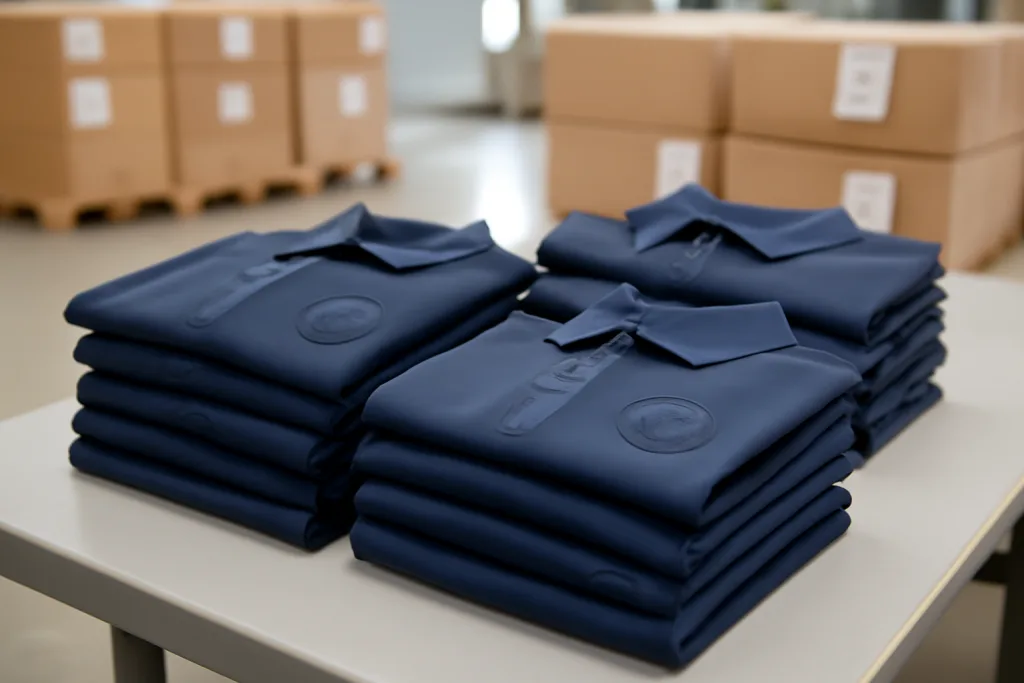
Each polo is folded to maintain shape. Polybag specs, woven labels, and hangtags build retail appeal while care labels use universal symbols. Export packaging includes QR/barcodes for tracking. Ninghow coordinates packing ratios, carton marks, and shipping documents to simplify distribution worldwide.
Frequently Asked Questions
What is the best fabric for golf polos?
Pique cotton blends are classic for polo shirts, offering breathability and structure. Jersey knits suit sportier or promotional polos due to their smoothness and easy printing.
Why are anti-curl collars important for golf polos?
Anti-curl collars maintain a polished, professional look even after repeated laundering, helping uphold your brand’s image.
How are logos added to custom golf polos?
Logos can be embroidered, screen-printed, heat-transferred, or sublimated, depending on design complexity and budget.
What is the minimum order quantity (MOQ) for custom golf polos?
Typical MOQ starts from 200 to 500 pieces, but can vary based on design, decoration, and fabric requirements.
What tests and certifications do Ninghow golf polos meet?
Ninghow polos meet OEKO-TEX, GOTS for organic cotton, AATCC/ISO test standards for durability, colorfastness, and seam strength.
Can golf polos be made with sustainable materials?
Yes, Ninghow offers options in organic cotton, recycled polyester, and blended eco-friendly fabrics for sustainable apparel programs.