






Introduction: Understanding What Is Organic Cotton Clothing
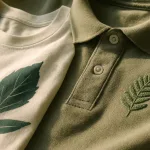
As sustainability reshapes the fashion world, more people are asking: what is organic cotton clothing? Simply put, it’s apparel made from cotton grown without harmful chemicals, pesticides, or genetically modified seeds. But beyond that simple definition lies a powerful movement—one that protects our skin, our farmers, and our planet.
At Ninghow, we’ve witnessed the growing demand for sustainable materials firsthand. Brands and consumers alike now prioritize eco-friendly fabrics that balance comfort, quality, and conscience.
Defining Organic Cotton
What Makes Cotton “Organic”?
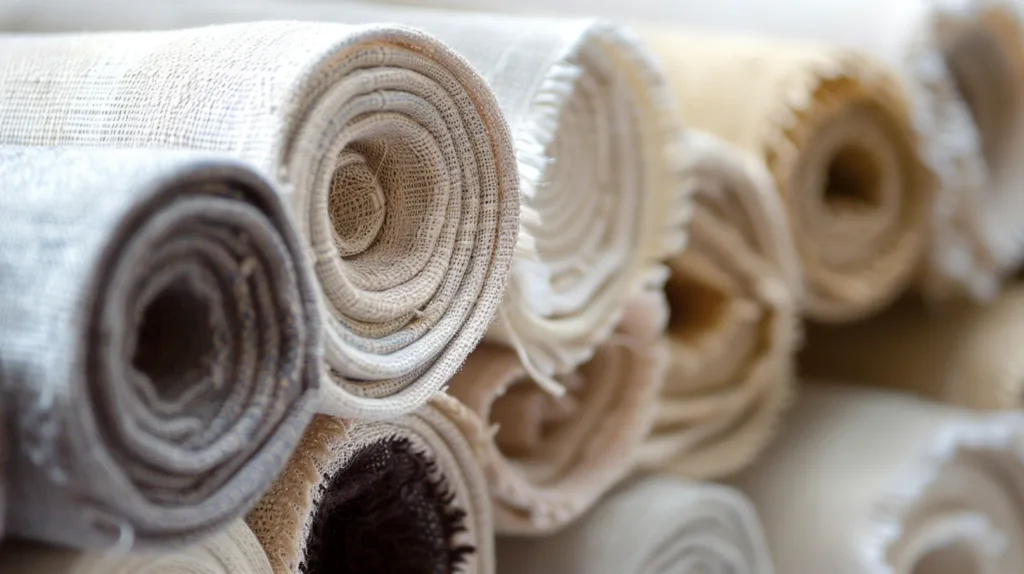
Organic cotton is cultivated using natural farming methods that preserve soil health, biodiversity, and water resources. No synthetic fertilizers, insecticides, or genetically modified organisms (GMOs) are used.
The Global Organic Textile Standard (GOTS)
The GOTS certification ensures that cotton is grown and processed according to strict environmental and social criteria—from seed to finished product.
The Journey: From Cotton Seed to Sustainable Shirt
Step 1: Non-GMO Cotton Seeds
Only naturally grown, untreated seeds are used—free from genetic modification.
Step 2: Chemical-Free Farming
Farmers rely on compost, crop rotation, and biological pest control rather than toxic chemicals.
Step 3: Ethical Harvesting and Processing
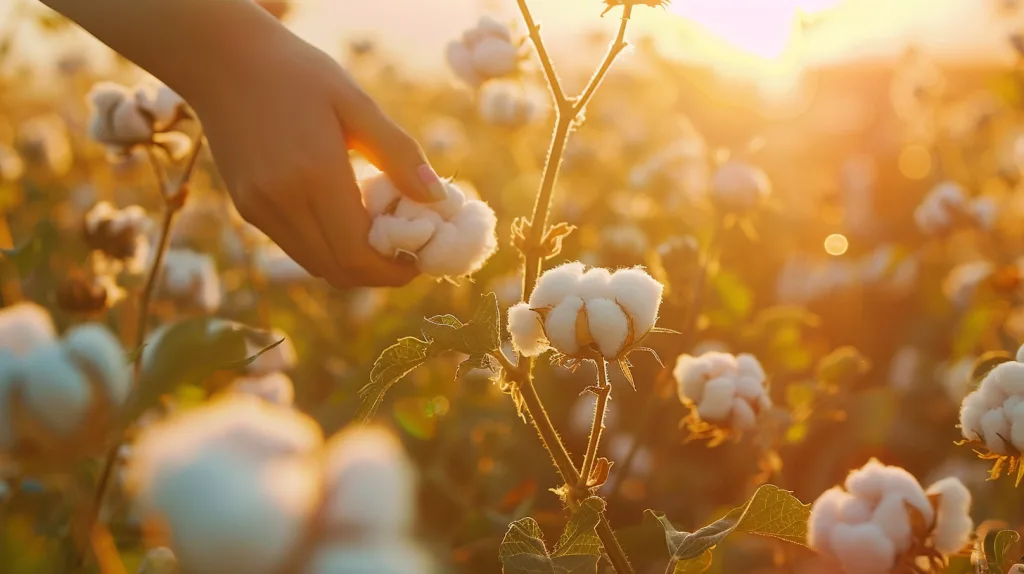
Organic cotton is handpicked, reducing pollution and maintaining fiber purity before it’s spun and woven into fabric.
Benefits of Organic Cotton Clothing
1. Better for Skin and Health
No harsh chemicals means fewer allergic reactions and irritation—ideal for sensitive skin and baby clothing.
2. Environmentally Friendly
Organic cotton farming uses up to 91% less water and emits fewer greenhouse gases than conventional cotton.
3. Supports Fair Labor Practices
Organic standards emphasize safe, ethical working conditions for farmers and factory workers.
4. Higher Quality and Comfort
Organic cotton fibers are longer and softer, resulting in durable, breathable, and luxurious fabrics.
Comparing Organic Cotton vs Conventional Cotton
| Feature | Organic Cotton | Conventional Cotton |
| Pesticides | None | Heavy usage |
| Water Use | Efficient & natural rainfall | High irrigation demand |
| Worker Safety | Fair & protected | Risk from chemical exposure |
| Soil Health | Maintained naturally | Depleted over time |
| Fabric Feel | Softer & breathable | Often treated & coarse |
Why Businesses Choose Organic Cotton Clothing
Brand Image and Consumer Trust
Today’s consumers want transparency. Offering organic cotton apparel shows responsibility and modern awareness.
Meeting Global Sustainability Goals
Switching to organic cotton helps brands align with UN SDGs—especially responsible consumption and climate action.
Long-Term Cost Efficiency
While initial costs may be higher, longevity and brand reputation yield better ROI.
The Manufacturing Process at Ninghow
Responsible Sourcing
We partner with certified farms ensuring 100% traceable, GOTS-approved organic cotton.
Eco-Dyeing Techniques
Natural dyes and low-impact coloring reduce water pollution while maintaining rich tones.
Quality Assurance
Every garment undergoes durability and comfort testing before leaving our facility.
Certifications to Look For
GOTS Certification
The gold standard for organic textiles, covering both environmental and social responsibility.
OEKO-TEX® Standard 100
Guarantees the absence of harmful chemicals in the finished product.
Styling Ideas for Organic Cotton Clothing
Everyday Casual Wear
Organic cotton t-shirts and hoodies pair effortlessly with denim or chinos for daily comfort.
Corporate Uniforms
Eco-friendly polo shirts enhance your company’s sustainable image.
Promotional Apparel
Branded organic cotton tees communicate green values while promoting your business.
The Future of Organic Cotton in Fashion
Circular Fashion and Recycling
More brands are incorporating recycled cotton fibers to close the textile loop.
Technological Innovations
Digital printing, waterless dyeing, and AI-driven pattern cutting are minimizing waste and carbon footprints.
Common Myths About Organic Cotton
“It’s Too Expensive”
While slightly pricier upfront, organic cotton lasts longer and retains quality better—making it more cost-effective long term.
“It Doesn’t Last Long”
In truth, organic fibers are stronger and less processed, offering better durability.
“It’s Just a Trend”
The rise of sustainable fashion is a global shift, not a passing fad—supported by legislation and consumer awareness.
How to Identify Genuine Organic Cotton Clothing
Label Reading and Verification
Look for trusted certifications such as GOTS, OEKO-TEX®, or Fair Trade on product labels.
Trusted Brands and Suppliers
Work with reputable manufacturers like Ninghow, known for ethical sourcing and transparent production.
FAQs About What Is Organic Cotton Clothing
Q1: What exactly is organic cotton clothing?
A: Clothing made from cotton grown without synthetic fertilizers, pesticides, or GMOs.
Q2: Is organic cotton softer than regular cotton?
A: Yes, its longer fibers create smoother, more breathable fabrics.
Q3: Is organic cotton better for the environment?
A: Absolutely—it reduces water waste and chemical pollution significantly.
Q4: Can organic cotton clothing be customized with logos?
A: Yes! At Ninghow, we offer eco-friendly embroidery and printing methods.
Q5: Does organic cotton shrink?
A: Like all natural fibers, minimal shrinkage may occur—but prewashing reduces this.
Q6: Is organic cotton truly sustainable?
A: When produced ethically and used responsibly, it’s one of the most sustainable fibers available.
Conclusion
So, what is organic cotton clothing really about? It’s more than just fashion—it’s a philosophy of respect: for nature, for workers, and for consumers.
By choosing organic cotton, you’re voting for cleaner soil, safer factories, and better futures. At Ninghow, we’re proud to craft eco-conscious apparel that helps brands dress with purpose.
Together, we can weave sustainability into every stitch. 🌱