

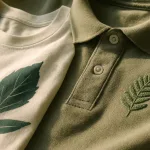






Organic Cotton Clothing Market Growth in 2025
The organic cotton clothing market is set to experience record-breaking growth in 2025, driven by rising environmental consciousness and the surge in demand for ethically produced garments. According to leading market reports, the global organic cotton apparel sector is expected to surpass USD 12 billion by 2025, growing at a CAGR of 10–12% from 2023 to 2028.
Global Overview of Organic Cotton Apparel Market
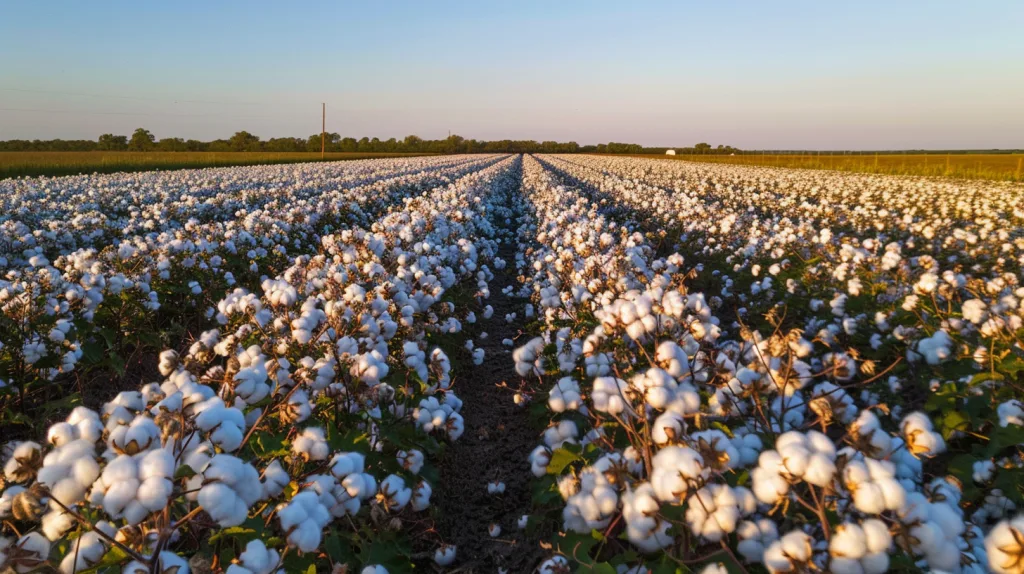
Organic cotton is now a cornerstone of sustainable fashion. Unlike conventional cotton, it is cultivated without synthetic fertilizers or harmful pesticides, drastically reducing carbon footprint and water consumption. This eco-conscious approach resonates strongly with Gen Z and Millennial consumers, who prefer transparency, sustainability, and ethical manufacturing practices.
Regional Breakdown: Asia, Europe, and North America
- Asia-Pacific: Continues to dominate production due to vast cotton-growing regions in India, China, and Turkey. Manufacturers in Bangladesh and Vietnam are also scaling sustainable operations to attract Western buyers.
- Europe: Serves as a high-value consumer market emphasizing traceability, certifications, and eco-labeling.
- North America: Witnessing rising adoption of sustainable activewear and loungewear brands using organic and recycled materials.
Market Valuation and Forecast Data
| Region | 2024 Market Value (USD Billion) | 2025 Projected (USD Billion) | CAGR (2023–2028) |
| Asia-Pacific | 5.2 | 6.1 | 11% |
| Europe | 3.8 | 4.5 | 9% |
| North America | 2.4 | 2.9 | 8% |
Top Exporting and Importing Countries
- Export Leaders: India, Turkey, and Pakistan
- Major Importers: USA, Germany, and Japan
Global Supply Chain Evolution
Manufacturers are adopting blockchain technology to track cotton origins, ensuring authenticity from farm to shelf. Brands are also forming direct relationships with organic farms to reduce middlemen and enhance traceability.
Key Drivers of the Sustainable Fashion Market
The growth of organic cotton clothing is inseparable from the broader sustainable fashion movement. This transformation is driven by changing consumer values, stricter environmental policies, and technological innovations reshaping textile manufacturing.
Consumer Awareness and Demand Shifts
Modern consumers no longer view sustainability as optional. They expect brands to take responsibility for their social and ecological impact. According to Nielsen, 73% of global consumers are willing to pay more for sustainably sourced products. This shift has led to a surge in demand for organic cotton T-shirts, loungewear, and children’s apparel.
Government Regulations and Environmental Policies
Countries like the EU members and the USA are tightening environmental compliance standards. Policies such as the EU Strategy for Sustainable and Circular Textiles (2024) demand full supply chain transparency by 2030. This regulation incentivizes brands to invest in organic and biodegradable materials.
Technological Innovations in Eco-Fabrics
Cutting-edge innovations are transforming how organic cotton is produced and finished.
- Waterless dyeing technologies minimize environmental pollution.
- Digital knitting and 3D sampling reduce material waste.
- Biodegradable blends enhance comfort while maintaining performance.
Impact of AI and Automation in Sustainable Manufacturing
AI-powered systems help predict material needs, optimize production runs, and minimize energy waste. Smart factories are now a key feature of future-ready sustainable manufacturing.
Transparency and Traceability in Supply Chains
Using blockchain and QR-based verification, consumers can trace garments from organic farms to retail shelves—building trust and brand loyalty.
Future Opportunities for Organic Cotton Apparel
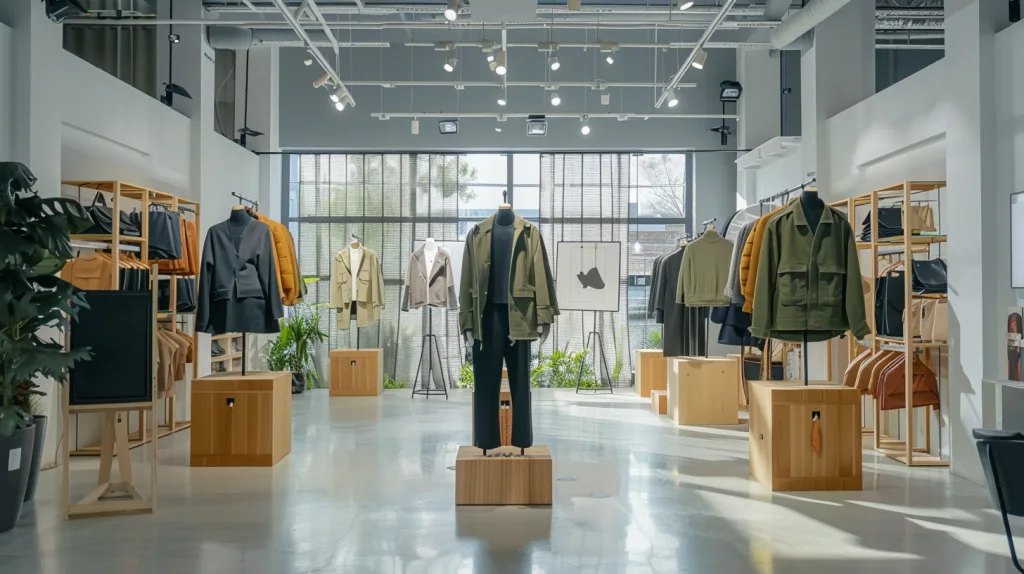
The next decade offers tremendous opportunities for innovation and expansion in organic cotton apparel across diverse industry segments.
Emerging Segments: Activewear, Kidswear, and Luxury
- Activewear: Consumers are choosing organic cotton blends for breathable, soft, and performance-oriented gym wear.
- Kidswear: Parents are opting for chemical-free fabrics for their children’s sensitive skin, driving high growth in this sector.
- Luxury Market: Premium brands such as Stella McCartney and Gucci are integrating organic cotton into high-end collections to align with sustainability values.
Brand Collaborations and Certifications
Collaborations between fashion brands and textile producers—supported by certifications like GOTS (Global Organic Textile Standard)—are strengthening the credibility of sustainable apparel collections.
E-commerce Growth and Digital Branding
Online platforms are amplifying awareness of eco-conscious fashion. Brands using storytelling, virtual try-ons, and sustainability reports are outperforming competitors.
Example: Direct-to-Consumer Sustainable Brands
Companies like Pact, Thought Clothing, and Kotn have built entire business models on organic cotton production—emphasizing transparency, affordability, and style.
Global Retail Strategies for 2025
Expect more pop-up stores, limited sustainable capsule collections, and interactive brand experiences designed to showcase sustainability through education and engagement.
How Brands Can Adapt to Sustainable Fashion Trends
The shift toward sustainability requires structural transformation, not just marketing campaigns. Brands need to embed circularity and ethics into their design, production, and distribution systems.
Implementing Circular Design Principles
Circular fashion emphasizes product life cycle extension—designing clothes for durability, repairability, and recyclability. Brands are exploring:
- Modular garments
- Recyclable packaging
- Post-consumer textile take-back programs
Integrating ESG Strategies into Apparel Business Models
Environmental, Social, and Governance (ESG) frameworks are becoming central to brand identity. Businesses that document measurable sustainability efforts gain better investor confidence and consumer trust.
Partnerships and Supply Chain Optimization
Sourcing partnerships with certified organic cotton farms reduce dependency on synthetic inputs while ensuring farmer welfare.
Investing in Organic Cotton Farming and Fair Trade
Brands investing directly in organic farms help stabilize cotton prices, empower local communities, and strengthen ethical supply chains.
Educating Consumers About Sustainability
Consumer education remains vital. Workshops, digital campaigns, and clear labeling can help shoppers make informed sustainable choices.
Organic Cotton Clothing Trends
Organic cotton is influencing fashion aesthetics as much as sustainability standards.
Material Innovation: Blends, Finishes, and Textures
Expect blends with hemp, bamboo, and Tencel™, creating fabrics that balance softness, strength, and sustainability. Advanced finishing techniques deliver wrinkle-resistant and antibacterial properties—without harmful chemicals.
Design Directions: Minimalism Meets Functionality
Design trends for 2025 highlight clean silhouettes, multi-purpose wear, and timeless appeal—reflecting consumer preference for long-lasting wardrobes.
Color Palettes and Seasonal Trends
Natural earth tones dominate 2025 collections: sage green, sand beige, muted indigo, and terra-cotta. These hues reflect a connection to nature and simplicity.
FAQs
- What defines organic cotton clothing?
Organic cotton is cultivated without synthetic pesticides or fertilizers, making it more eco-friendly and skin-safe compared to conventional cotton. - Why is organic cotton trending in 2025?
Rising climate awareness and policy reforms are pushing both consumers and brands toward cleaner, traceable materials. - Which countries lead in organic cotton production?
India, Turkey, and Pakistan remain top producers, with Africa emerging as a growing contributor. - Is organic cotton more expensive?
Yes, but consumers are increasingly willing to pay a premium for ethically sourced, long-lasting apparel. - How can small brands adopt sustainable practices?
Start with certified sourcing, minimal packaging, and transparent communication about production ethics. - What are the top growth sectors for organic cotton clothing?
Activewear, kidswear, and luxury segments show the highest expansion rates toward 2030.
Conclusion: The Future of Organic Cotton in Global Fashion
The global market trends in organic cotton clothing for 2025 and beyond point to a fashion industry anchored in responsibility, innovation, and authenticity. As consumers demand more from the brands they love, businesses that integrate sustainability with creativity will lead the way.
At Ninghow, we believe the future of clothing lies in harmony between people, planet, and profit—proving that ethical production and economic success can coexist beautifully.