




What Is UV Protection Clothing and Why It Matters
“UV protection clothing” refers to garments designed to block or absorb harmful ultraviolet (UV) radiation from the sun, reducing skin exposure. UV radiation includes UVA (aging rays) and UVB (burning rays), both of which can damage skin DNA, contribute to sunburn, premature aging, and even skin cancer. Clothing provides a physical barrier, and when specially manufactured or treated, it can have a high Ultraviolet Protection Factor (UPF) — a measurement showing how much UV radiation a fabric allows to reach your skin.
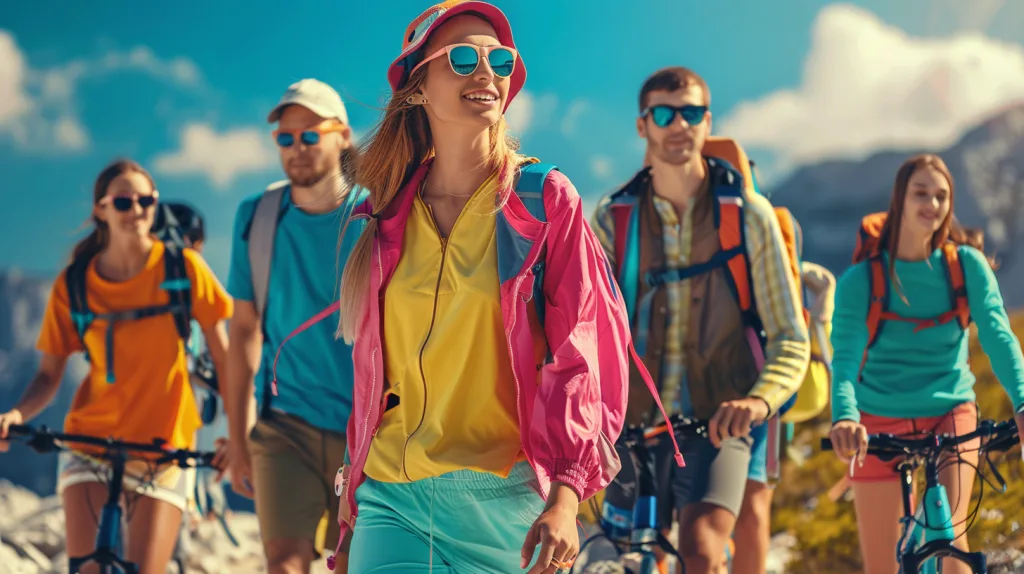
Why it matters:
- Health implications: Increased skin cancer rates globally encourage better daily sun protection. Studies show fabrics with high UPF reduce UV exposure significantly.
- Daily exposure adds up: Even short periods outside, like walking to a car or waiting at a bus stop, expose skin to UV rays. Regular clothes often give limited protection.
- Durability and convenience: Clothing doesn’t wash off like sunscreen and can cover large body areas constantly.
A good understanding of UV protection clothing helps consumers choose safe garments, and helps brands like Ninghow produce clothing that offers both style and protection.
How UV Protection Clothing Works
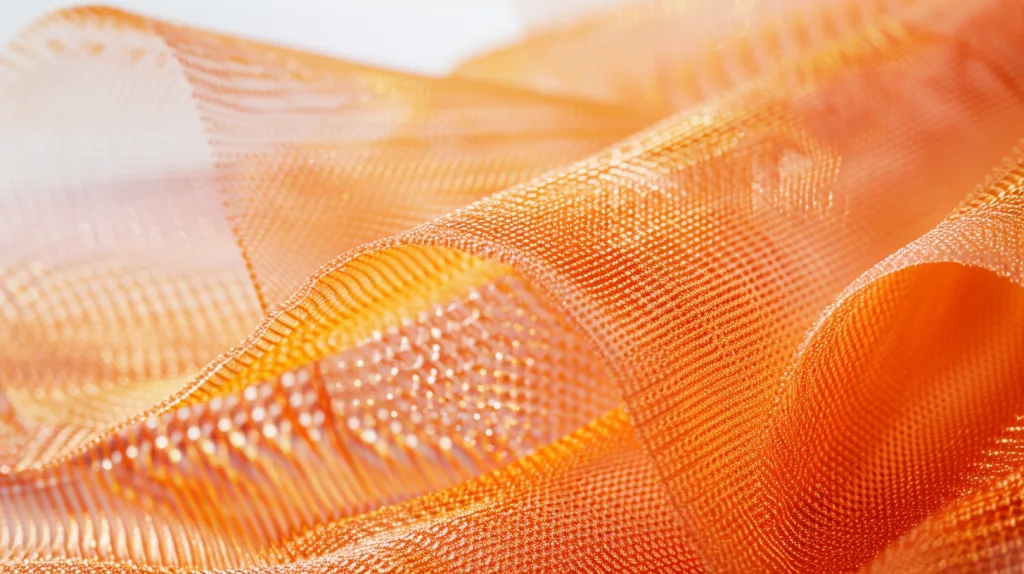
To understand how UV protection clothing works, we need to look at fabric structure, fibers, dyes, treatments, and design features.
- Fiber type
- Synthetic fibers like polyester, nylon, and microfiber often naturally block more UV than many natural fibers.
- Natural fibers (cotton, bamboo, hemp) can be enhanced via weave density or treatments.
- Weave / knit structure
- Tighter weaves or knits provide fewer gaps for UV rays to pass through.
- Fabric weight, thread count, and thickness all influence UPF.
- Color and finish
- Darker colors absorb more UV, thus reducing transmission. Light colors reflect more, but may transmit more UV.
- UV-absorbing dyes or chemical finishes can improve protection significantly.
- Moisture & stretch effects
- When clothing becomes wet, or stretched, it may lose some protection (the fibers spread out, gaps widen).
- Special treatments or fabric blends are used to maintain UPF even under such conditions.
- Testing and certification
- UPF is measured using standards like AATCC TM 183 (USA), DIN EN 13758 -1 (Europe). These determine how much of UV-A and UV-B gets through the fabric.
- Ratings: UPF 15 is “minimum”, UPF 30 = “good/very good”, UPF 50+ = “excellent” protection.
Best Fabrics for UV Protection Clothing
Selecting the right material is essential for effective UV protection.
| Fabric Type | Advantages | Challenges or Trade -offs |
|---|---|---|
| Polyester / Nylon | Naturally UV -resistant, durable, retains shape, good for sports / swimwear | Less breathable, can trap heat or feel less soft to touch |
| Blended Fabrics | Combine synthetics with natural fibers to balance comfort & protection | Weave density must be high; blending may reduce durability |
| Cotton with special weave or finish | Soft, breathable, familiar feel | Plain cotton often has low UPF; finishes/dyes may fade over time |
| Bamboo, modal, rayon | Often more breathable and eco -friendly | Less UV protection unless treated or tightly woven |
| Stretch fabrics / knits | Good for movement; often used in athletic UV gear | Stretch reduces protection unless fabric engineered well |
Also important: fabric treatments (UV absorbers, coatings), dyes, and finishes can significantly increase UPF. These treatments must be durable to laundering and wear.
Comparing UPF Ratings: What You Need to Know
“UPF” (Ultraviolet Protection Factor) is the standard measure for UV protection in fabrics. Here’s what the numbers mean, and how to interpret them.
- UPF 15–29: Some protection (“minimum” or “good”) — blocks ~93–96% of UV rays.
- UPF 30–49: Very good protection — blocks about 97–98%.
- UPF 50+: Excellent protection — blocks 98%+ of UV rays. The highest recommended for prolonged exposure.
Other notes:
- Ratings apply under standard conditions (new fabric, unstretched, dry). Wear, stretch, wetness, or fading can reduce protection.
- When shopping, check for third -party verification / seals (e.g. Skin Cancer Foundation seal for UPF 50).
Learn more about UPF introduction
Design Features That Enhance UV Protection
UV protection isn’t just about the fabric — design matters a lot.
- Coverage: Long sleeves, high collars, longer hemlines, and skirts/pants rather than shorts help protect more skin from UV.
- Layering: Multi -layer pieces or garments with linings can reduce UV transmission.
- Hood / Brimmed hats: For head, face, and neck protection, wide brims or hoods help block UV that reflects from ground or water.
- Close fit vs loose fit: Looser clothing sometimes lets more UV in through gaps; tighter woven fabrics help. But loose also means more shade and air flow; good design balances comfort and protection.
- Color selection: Darker or more saturated colors absorb more UV; however, bright colors with UV absorbing dyes also work well. Reflective or metallic finishes may help in some designs.
Benefits of Wearing UV Protection Clothing
Here are key benefits, both obvious and less obvious, of wearing quality “UV protection clothing.”
- Skin health & disease prevention
Reduced risk of sunburn, skin aging, hyperpigmentation, and cancers due to lower UV exposure. - Reliable protection
Clothing doesn’t need reapplication like sunscreen, and offers consistent coverage over larger body areas. - Comfort in sun
Fabrics designed for UV protection often include moisture wicking, breathable, quick dry features for sports or beach. - Durability
High quality UV protected fabrics maintain protection over many washes if designed well; better longevity than some coatings. - Aesthetic + Versatility
UV clothing doesn’t mean it needs to look like gear only — modern designs can be stylish, fashionable, functional. - Environmental and cost advantages
Over time, less frequent use of sunscreen, less skin damage, fewer dermatology visits. Many people prefer wearable protection versus chemical products.
UV Protection Clothing for Sports and Outdoor Activities
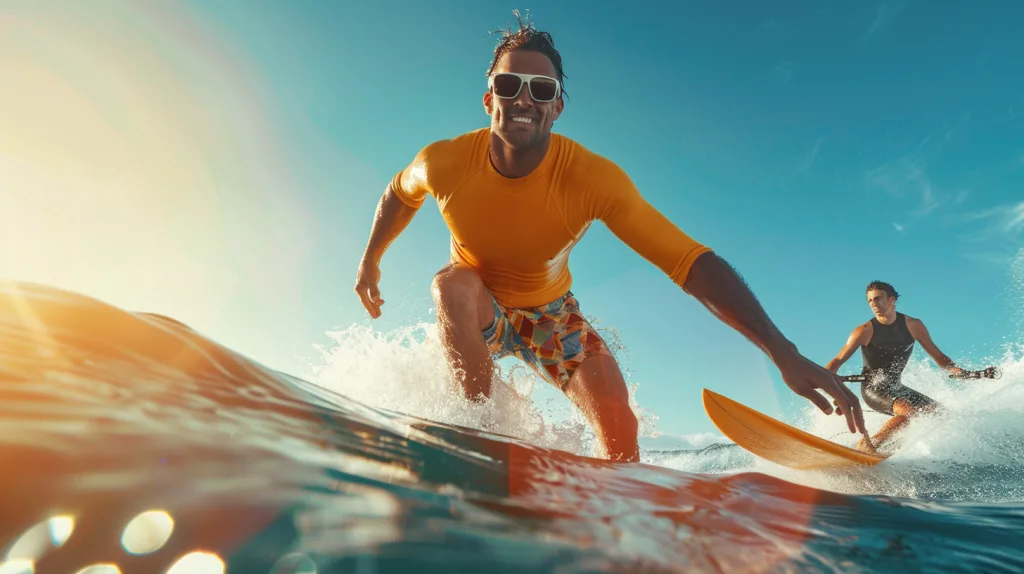
Outdoor activities demand specific performance features in UV protective apparel.
- Swimming / Surfing: Quick dry fabrics, salt / chlorine resistance, UV coatings that endure water, snug fit for less drag.
- Hiking / Trekking: Breathability, moisture management, insect protection, packability. Long sleeves and pants that still allow ventilation.
- Running / Cycling: Lightweight, reflective elements (for safety), stretch for movement, ventilated zones.
- Fishing / Boating: Protection from reflection glare off water, corrosive environment, possible wetness.
In each of these, UV protection clothing must balance protection, comfort, and durability.
Stylish and Functional: Fashion Trends in UV Apparel
Consumers today want both safety and style. The following are emerging trends:
- Athleisure UV wear: UV protection shirts, leggings, layering pieces that look like everyday activewear.
- Resort / beach fashion UV lines: Coverups, lightweight kaftans, swim shirts that double as casual wear.
- Neutral and adaptable styles: Colors and cuts that transition from outdoors to urban (= versatile usage).
- Minimalist branding, sustainable fabrics: Rising demand for eco friendly UV clothing, natural dyes, recycled fibers.
Fashion not only follows protection, but can also lead by making UV clothing appealing so people want to wear it.
Custom UV Protection Clothing: OEM & ODM Services
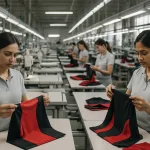
For brands that want their own line of UV protection clothing, custom production through OEM / ODM is a powerful option. Here’s how it works and what to consider:
- OEM vs ODM
- OEM (Original Equipment Manufacturer): you supply design, brand, specs; manufacturer produces.
- ODM (Original Design Manufacturer): you may rely on manufacturer’s design templates and modify them; good for faster go to market.
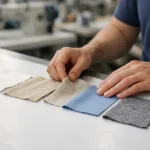
- Material sourcing: select fabrics with certified UPF ratings, durable finishes, desired look & hand feel.
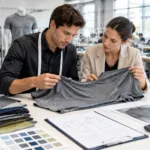
- Prototyping: test samples for comfort, protection, fit. Include UPF tests to ensure design decisions (stitching, seam types, stretch) don’t degrade protection.
- Quality controls and standards: Ensure fabrics and final garments meet relevant global standards (AATCC, EN, ISO) for UPF. Request test reports.
- Brand differentiation: Custom labels, tags, unique design features (color, cut, embellishments) help set your product apart.
Low MOQ UV Clothing Manufacturing for Startups
One of the barriers for small brands is minimum order quantity (MOQ). But in the UV protective clothing field, lower MOQs are increasingly possible, which is a great opportunity.
- Small batch production: Many manufacturers (including Ninghow) offer MOQs that are feasible for startups — allowing limited runs to test market.
- Cost vs scale: Costs per unit will be higher with small batches, but risk is lower, and time to market can be faster.
- Sampling & refinement: Start with sample orders to confirm UPF performance, color fastness, and wear under real conditions.
- Flexible customization: Offering options like custom prints, labels, or small changes in cut without large cost penalties.
Quality Control in UV Protective Apparel Production
To ensure real protection and customer trust, strong QC is essential.
- UPF testing: Use accredited labs, perform across multiple fabric batches, after washing, wet/dry, and if stretched.
- Color fastness & dye stability: UV absorbing dyes should not significantly fade or wash out.
- Fabric durability: Resistance to pilling, snagging, abrasion; especially for outdoor / sports uses.
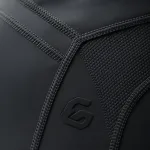
- Seam & stitching checks: Areas with thin seams or wrong types of stitches may have weak protection.
- Certifications & labeling: Use valid labeling (e.g. UPF value, care instructions) so consumers know what they are buying.
Global Markets and Applications of UV Protective Clothing
Demand for UV protection clothing is growing worldwide, and the markets vary.
- Market size & growth:
- The U.S. UPF clothing market was valued at about USD 706.3 million in 2023, expected to reach around USD 1.2 billion by 2030.
- Globally, the sun protective clothing market is projected to grow significantly due to rising health awareness and outdoor activities.
- Regional differences:
- Countries with high sun exposure (Australia, Middle East, Southeast Asia) have the strongest demand.
- Developed countries with strong skin cancer awareness (USA, Canada, Europe) are willing to pay a premium for certified UPF clothing.
- Applications:
- Sports, beachwear, uniforms for outdoor workers, school uniforms, and casual wear.
- Medical use (post-treatment), children’s clothing, senior wellness, etc.
Eco-Friendly UV Clothing: Sustainability in Production
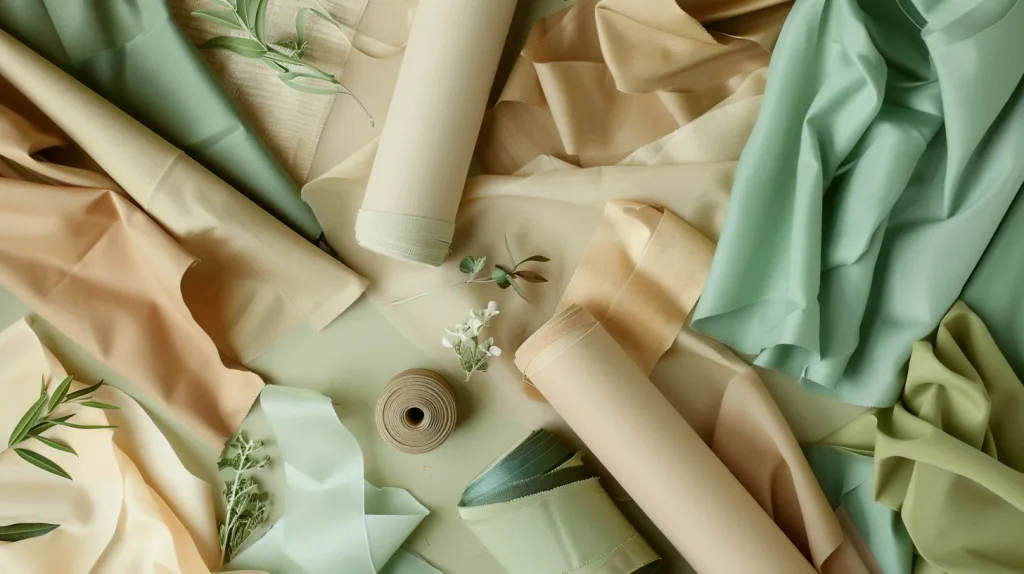
Modern consumers care about both sun protection and environmental impact. Sustainable UV clothing is now a key differentiator for brands.
- Recycled fabrics: Materials like recycled polyester or regenerated nylon are commonly used.
- Eco-safe dyes & treatments: UV finishes that avoid toxic chemicals, certified by OEKO-TEX or GOTS.
- Low-impact manufacturing: Factories that reduce water, energy, and waste footprints.
- Biodegradable materials: Where possible, brands use organic cotton, bamboo, and modal with enhanced UPF.
- Recyclable packaging: FSC-certified paper, compostable bags, or reusable cloth packaging.
Sustainable production not only protects the planet but enhances brand trust and long-term customer loyalty.
Logistics, Packaging, and Worldwide Shipping of UV Apparel
Ninghow offers end-to-end support for international clients with reliable logistics and packaging solutions.
- Protective packaging: UV garments are packed to prevent compression, moisture, or dust exposure, preserving fabric integrity.
- Labeling compliance: Clear tags with UPF ratings, wash instructions, fiber content, and country of origin.
- Shipping methods: Express for small batch; sea freight for large orders; tracking and insurance offered.
- Customs & documentation: Support with HS codes, CO, FTA, MSDS, and lab certifications.
- Global warehousing: Strategic partners in North America, Europe, and Asia for faster fulfillment.
Case Study: Successful Brand Collaborations with Ninghow
Case 1: Surfwear Startup from Australia
Ninghow worked with a new beachwear brand focused on stylish UV protection for surfers. The brand needed UPF 50+ swim tops and leggings. With Ninghow’s help, they sourced eco-friendly stretch fabrics, tested prototypes, and launched their collection with MOQ 300 pcs/style. Products passed SGS UPF testing and were shipped within 45 days.
Case 2: European Travel Apparel Brand
The brand wanted to create casual yet UV-protective travel clothing for summer. Ninghow provided several ready-made ODM styles, all UPF 30–50 certified, and handled labeling + multilingual packaging. The brand launched in 7 EU markets within 3 months.
Case 3: US Outdoor Gear Retailer
Ninghow helped this retailer launch a private label UV apparel line for hiking. Custom colors, reinforced stitching, mesh vent zones, and UPF 50+ finishes were added. The line now features 12 SKUs with consistent reorder volumes.
How to Start Your Own UV Protection Clothing Line
Thinking of launching your own UV protection clothing business? Here’s a simplified roadmap:
- Research Your Niche
Define your audience: beachgoers, athletes, kids, seniors, travelers, etc. - Choose Your Products
Decide on categories: tops, rash guards, dresses, accessories, etc. - Select a Manufacturer
Partner with experienced OEM/ODM supplier like Ninghow that offers UPF-certified fabrics. - Develop Prototypes
Use tech packs to detail specs. Order samples and lab test for UPF. - Finalize Branding
Design tags, logos, packaging, and create educational content about UV safety. - Confirm MOQ & Lead Time
Start with small MOQ to reduce risk. Confirm shipping schedule. - Launch & Market
Sell via Shopify, Amazon, pop-up stores, or retail partners. Highlight your UPF story. - Scale Up
Use customer feedback to refine designs, add styles, and expand your range.
FAQ
Q1: What is the typical production time for UV apparel?
A: Sample development takes 2–3 weeks, bulk production usually 4–6 weeks after approval.
Q2: What is the minimum order quantity (MOQ)?
A: Ninghow offers flexible MOQs starting at 100–300 pieces depending on the fabric and complexity.
Q3: Are UPF ratings permanent?
A: Most treated fabrics maintain UPF after 20–30 washes. Always test for longevity.
Q4: Can I request eco-friendly options?
A: Yes. Ninghow offers recycled yarns, plant-based dyes, and biodegradable packaging.
Q5: Do you offer design services?
A: Yes. ODM collections are available, or you can co-create your own styles with our in-house designers.
Q6: Do I need lab certification for UPF?
A: It’s not legally required in most countries, but lab reports (e.g. SGS, Intertek) boost consumer trust and help with marketing.
Conclusion
UV protection clothing combines safety, comfort, and style. Whether you’re an activewear brand, resort retailer, or lifestyle startup, there’s growing opportunity in UPF apparel. Partnering with an expert manufacturer like Ninghow ensures your garments meet performance standards, sustainability goals, and consumer expectations.