




1. What is UPF and Why It Matters in Clothing
Ultraviolet Protection Factor (UPF) measures how effectively a fabric blocks ultraviolet (UV) radiation. Just like SPF (Sun Protection Factor) in sunscreen protects your skin, UPF protects it through clothing. A fabric with a UPF rating of 50, for example, allows only 1/50th of the sun’s UV rays to reach the skin.
As consumers become more health-conscious, sun-safe clothing has become a priority. UPF-rated clothing is particularly vital for outdoor activities, where prolonged sun exposure increases the risk of sunburn and skin aging, or even skin cancer. For apparel manufacturers, understanding and incorporating UPF technology is crucial in today’s competitive, wellness-driven market.
2. Understanding UV Radiation and Its Effects on Skin
UV radiation from the sun comes in three forms: UVA, UVB, and UVC. UVA penetrates deep into the skin and contributes to aging, while UVB is responsible for sunburn. UVC is absorbed by the earth’s atmosphere. Clothing without UV protection can let dangerous rays pass through, affecting the skin over time.
Repeated exposure can lead to premature aging, dark spots, and skin cancers. This underscores the importance of integrating UPF fabrics in garments designed for sun-intensive environments.
3. How UPF is Different from SPF
While both UPF and SPF are used to measure sun protection, they differ in application. SPF measures how long sunscreen will protect the skin from UVB rays. UPF, on the other hand, measures the fabric’s effectiveness against both UVA and UVB.
SPF is for skincare. UPF is for clothing. And unlike SPF, which depends on reapplication, UPF clothing provides consistent protection throughout wear.
4. The Science Behind UPF: How Fabric Blocks UV Rays
UPF fabrics block UV rays through a combination of fiber density, weave tightness, dye, and chemical treatments. For example, densely woven fabrics like polyester and nylon block more UV than loosely woven cotton.
Some materials are also treated with UV-inhibiting ingredients that enhance their natural protective capabilities. Even color matters—darker shades tend to absorb more UV, offering better protection.
5. UPF Rating System Explained (UPF 15 to UPF 50+)
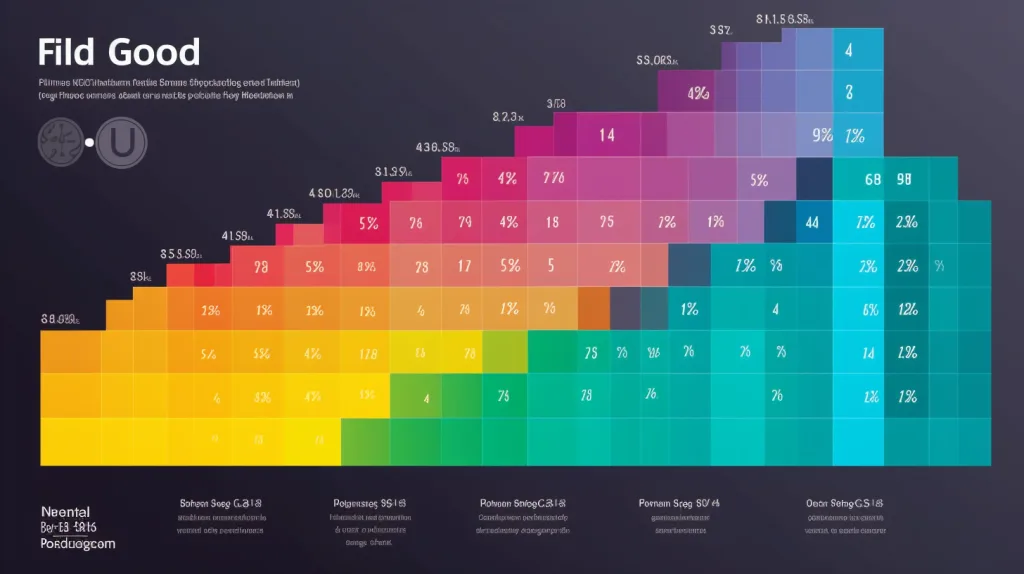
UPF ratings are divided into the following categories:
- UPF 15-24: Good protection (blocks 93.3% to 95.9% of UV radiation)
- UPF 25-39: Very good protection (blocks 96% to 97.4%)
- UPF 40-50+: Excellent protection (blocks 97.5% to 98%+)
The higher the UPF rating, the better the fabric is at preventing UV rays from reaching the skin. UPF 50+ is the gold standard for outdoor and athletic wear.
6. Key Factors Affecting a Fabric’s UPF Rating
Several factors influence how well a fabric protects against UV radiation:
- Fiber Type: Polyester and nylon have natural UV resistance.
- Weave Density: Tight weaves prevent more UV penetration.
- Color: Darker colors absorb more rays.
- Moisture Content: Wet fabrics often have lower UPF.
- Stretching: Stretched fabric can reduce UV protection.
Manufacturers should consider all these variables when designing UPF garments.
7. UPF Fabric Testing Standards and Certification
UPF testing is governed by standards such as:
- AATCC 183 (USA)
- AS/NZS 4399 (Australia/New Zealand)
- EN 13758 (Europe)
These standards measure the UV radiation blocked by a fabric and determine its official UPF rating. Certified fabrics give consumers confidence in a product’s protective qualities.
8. Common Materials Used in UPF Fabrics
Several materials are naturally better at blocking UV rays:
- Polyester: Highly effective even without chemical treatment.
- Nylon: Durable and UV-resistant.
- Lycra/Spandex: Often blended for stretch, but requires treatment for UPF.
- Cotton & Viscose: Need dense weaves or UV treatments to be effective.
These materials are often blended and engineered to optimize comfort, breathability, and protection.
9. Finishing Techniques to Enhance UPF in Fabrics
To improve UPF, manufacturers use:
- Chemical UV treatments
- Tighter weaving techniques
- High-tech dyes and coatings
- Moisture-wicking and quick-dry finishes
Innovative technologies can make lightweight and breathable fabrics highly UV-protective, making them ideal for sports and activewear.
10. Benefits of UPF Clothing for Consumers
UPF garments offer:
- Continuous UV protection
- No reapplication needed like sunscreen
- Convenience for children and sensitive skin
- Protection during water or sweat exposure
- Stylish and functional options for outdoor activities
This makes UPF clothing a must-have for consumers looking to protect their skin without compromising on style or comfort.
11. Popular Applications of UPF Fabrics in Fashion
UPF fabrics are no longer confined to high-performance sportswear. Today, they are seamlessly integrated into a wide variety of fashion categories, meeting the growing demand for sun protection with style. Some of the most popular applications include:
- Beachwear and Swimwear: UPF-rated rash guards, long-sleeve swim tops, swim leggings, boardshorts, and sun hats offer all-day UV protection without the need to reapply sunscreen. These are essential for surfers, swimmers, and families at the beach or pool.
- Casual Summer Fashion: Everyday pieces like UPF polo shirts, button-down shirts, tunic tops, and lightweight trousers are ideal for city wear, weekend outings, and summer brunches. These garments combine functionality with modern aesthetics, perfect for sun-smart urban lifestyles.
- Children’s Clothing: Kids spend a lot of time outdoors, making UPF rompers, playwear sets, bucket hats, and swim bodysuits invaluable for protecting their delicate skin during playtime, picnics, or vacations.
- Travel Apparel: For globetrotters exploring sunny destinations, UPF travel jackets, convertible pants, wrap dresses, and multi-way shawls offer protection while staying wrinkle-resistant, packable, and stylish.
- Workwear for Outdoor Jobs: UPF protection is increasingly used in uniform shirts, cargo pants, utility vests, and wide-brimmed hats for outdoor workers such as landscapers, construction crews, and park rangers. These pieces are often made with durable, breathable fabrics that ensure both safety and comfort.
As sun safety becomes a lifestyle choice, brands are embedding UPF technology into both classic and contemporary designs. From sleek athleisure to coastal resort wear, UPF-integrated apparel is now a staple in modern wardrobes—blending wellness, fashion, and innovation.
12. UPF in Sportswear: Protection During Performance
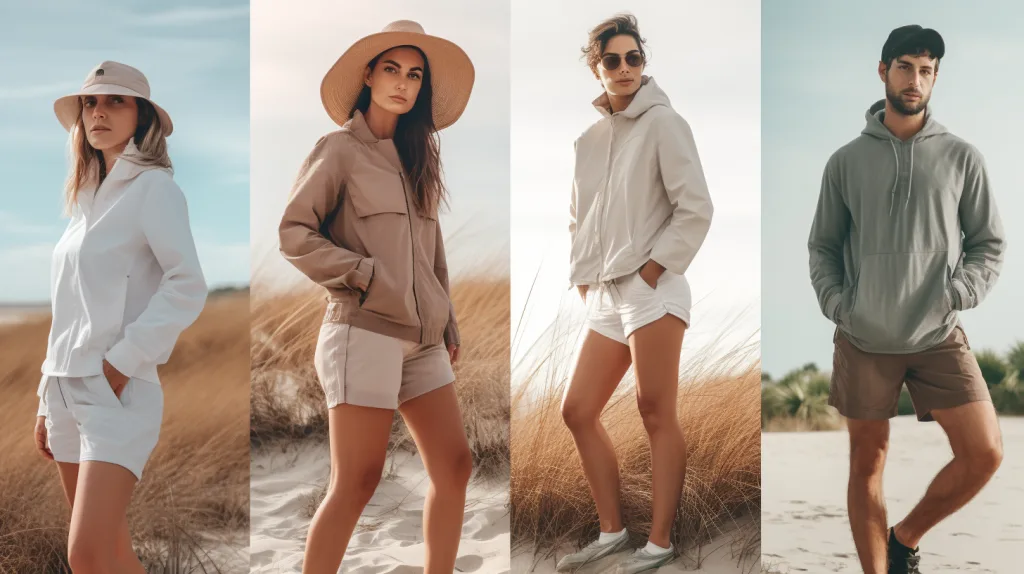
Athletes are often exposed to intense sunlight. UPF fabrics in sportswear help:
- Prevent sunburn during long training hours
- Keep skin cool with moisture-wicking properties
- Maintain performance without frequent sunscreen application
UPF performance apparel is popular in sports like running, cycling, hiking, and tennis.
13. UPF in Swimwear: Essential for Beach and Poolwear
Traditional swimwear often exposes more skin, increasing UV risk. UPF swimwear offers:
- Full-coverage rash guards and leggings
- UPF-treated swim tops and bottoms
- Protection that remains effective even when wet
This is crucial for both adults and children spending long hours by the water.
14. UPF in Outdoor and Hiking Gear
Outdoor clothing with UPF is a must for:
- Hikers and campers
- Gardeners and landscapers
- Construction workers
Features like long sleeves, collars, and hat flaps enhance protection, and breathable UPF fabrics keep wearers cool in the heat.
15. Sustainability and Eco-Friendly UPF Fabrics
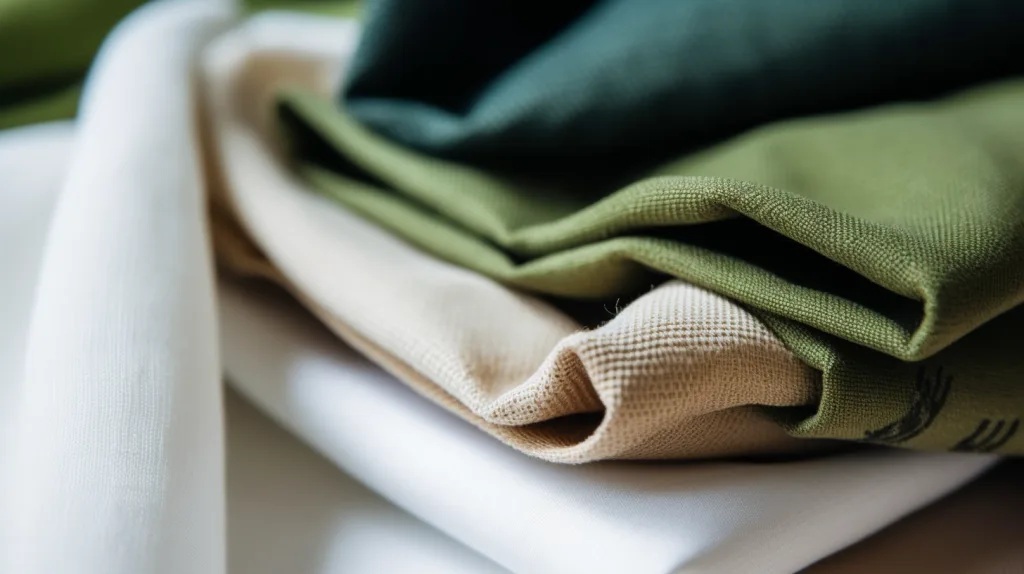
Eco-conscious consumers prefer sustainable UPF options. These may include:
- Recycled polyester fabrics
- Plant-based dyes
- Durable garments that reduce waste
Brands committed to eco-friendly production can stand out by combining sun protection with sustainability.
16. Things to Consider When Manufacturing UPF Garments
Key tips for manufacturers:
- Choose certified UPF fabrics
- Ensure design maintains coverage and protection
- Balance breathability and sun safety
- Test for colorfastness and UV durability
Manufacturing UPF clothing is both a technical and creative process requiring attention to fabric science and user needs.
17. Why Choose Ninghow for OEM/ODM UPF Apparel Solutions
Ninghow offers:
- Custom UPF clothing with no MOQ
- OEM/ODM expertise in sports, beach, and lifestyle wear
- Eco-friendly fabric options
- Global wholesale and fast shipping
Partnering with Ninghow ensures quality, innovation, and trust in every sun-safe garment.
✅ FAQ: Frequently Asked Questions About UPF Fabrics
1. What is the difference between UPF and SPF?
SPF is used for sunscreen and only measures UVB protection. UPF measures both UVA and UVB protection in fabrics.
2. Do UPF clothes lose effectiveness over time?
Yes. Washing, stretching, and wear can reduce a fabric’s UPF rating. Choose durable, high-quality fabrics.
3. What is the best UPF rating for clothing?
UPF 50+ is considered excellent and is the recommended choice for long outdoor exposure.
4. Can I wash UPF garments like regular clothes?
Yes, but use gentle detergents and avoid bleach to maintain their protective coating.
5. Are UPF clothes breathable in hot weather?
Yes. Many UPF fabrics are designed with lightweight, moisture-wicking features for comfort.
6. Do I still need sunscreen with UPF clothing?
Only on exposed skin areas. UPF clothes protect covered areas but not the face, hands, or feet.
🔺 Conclusion
UPF fabrics are essential for health-conscious, sun-smart apparel. From sports to beachwear, their applications are vast. Whether you’re an outdoor brand or a fashion startup, integrating UPF clothing is a smart, forward-looking choice.