



1. Understanding the Role of Golf Team Uniforms
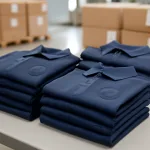
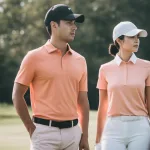
Golf team uniforms are more than just apparel—they’re a visual representation of team unity, discipline, and professionalism. A well-designed uniform creates a strong first impression, boosts team morale, and offers functional support on the course. Unlike individual golf wear, team uniforms must reflect cohesion while meeting the unique needs of each player.
In golf, where movement, concentration, and comfort are crucial, design choices directly impact performance. The balance between style and function is key to creating uniforms that not only look good but also serve their athletic purpose.
2. Key Principles of Stylish yet Functional Design
Creating a golf team uniform that marries aesthetics with practicality requires a thoughtful approach. Begin with the team’s identity and purpose: are you designing for a high school team, a corporate group, or a national competition?
Key considerations include:
- Mobility: Uniforms should support a full range of motion.
- Climate Suitability: Light and breathable for warm weather; layered options for cooler days.
- Durability: Materials must withstand frequent washes and outdoor conditions.
- Style Alignment: Colors, patterns, and details should align with the team’s brand and values.
3. Choosing the Right Fabrics for Performance and Comfort
3.1 Moisture-Wicking and Breathability
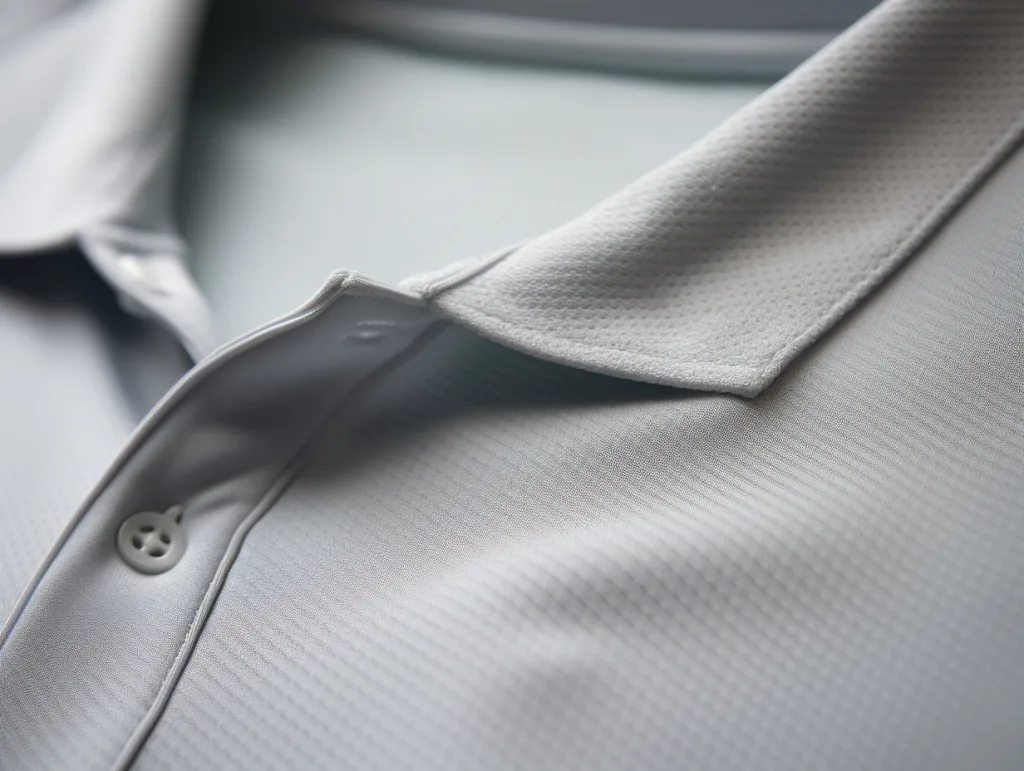
The best golf team uniforms use moisture-wicking fabrics that keep players dry and cool. Polyester blends and performance knits are top choices for managing sweat and ensuring breathability. This prevents chafing and overheating, common issues during long rounds.
3.2 UV Protection and Weather Adaptability
Sun exposure is a constant on the golf course. Uniforms designed with built-in UV protection shield athletes from harmful rays. For teams in varied climates, materials with thermal regulation properties or water-resistant layers offer functional benefits.
4. Color Theory in Golf Team Uniforms Design
Color is a powerful design tool. In golf team uniforms design, it conveys professionalism, enhances visibility, and reflects team identity. Neutral tones like navy, grey, or white offer timeless elegance, while bold colors signal confidence and energy.
Designers should consider contrast for visibility, especially in televised events or large tournaments. Color blocking, subtle accents, and trims can also add visual interest without compromising formality.
5. Custom Fit vs. Standard Sizes
Golf requires fluid movement—from full swings to walking long distances. Uniforms must accommodate this through thoughtful sizing. While standard sizes may suffice for casual teams, competitive squads benefit from custom fits tailored to each player.
Custom-fit uniforms improve comfort, reduce fabric bunching, and eliminate distractions. Some manufacturers offer hybrid models—standard sizes with optional alterations—to balance cost and fit precision.
6. The Importance of Movement-Focused Cuts
Designing for movement involves strategic tailoring. Raglan sleeves, side vents, and stretch panels enhance flexibility. Golfers often rotate their shoulders and hips, so cuts should support this biomechanical range without restriction.
Advanced pattern engineering—like ergonomic seams and articulated joints—further enhances wearability. These features prevent tearing and extend uniform longevity.
7. Collars, Sleeves, and Details: Fashion Meets Function
A classic polo collar projects a clean, sporty look, but modern variations like mandarin or contrast collars add flair. Sleeve length matters too—short sleeves for summer, long or layered styles for colder play.
Details like button plackets, zipper trims, and logo patches should balance aesthetics and usability. Avoid heavy embroidery that could irritate skin or weigh down the garment.
8. Integrating Brand Identity & Team Spirit
8.1 Logo Placement and Sizing
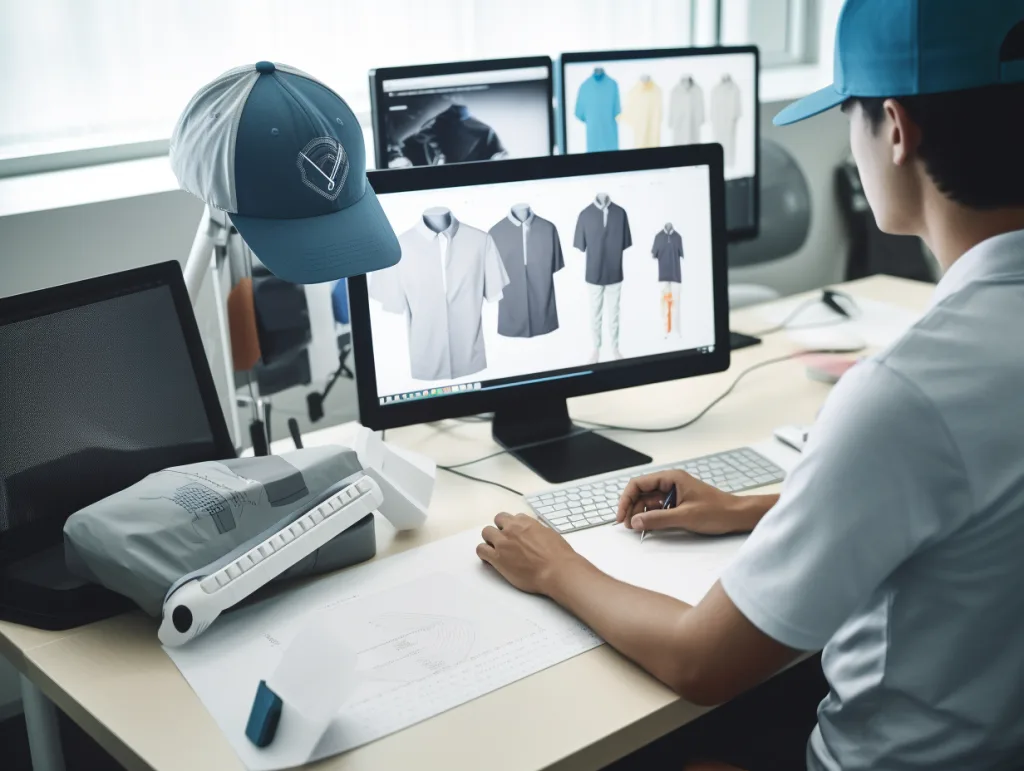
Logos symbolize pride and recognition. Optimal placements include the chest, sleeves, or back collar. They should be visible without overpowering the design. Digital printing allows high-resolution imagery, while embroidery offers a classic feel.
8.2 Custom Embroidery and Printing Options
From team mottos to individual names, custom elements personalize each piece. Heat transfer, screen printing, and 3D embroidery each offer unique finishes. Choose based on your desired texture, durability, and aesthetic.
9. Sustainable Materials in Modern Golf Uniforms
Eco-friendly fabrics are gaining traction in sportswear. Recycled polyester, organic cotton, and bamboo blends reduce environmental impact while maintaining performance. Green certifications (like OEKO-TEX or GRS) add credibility and appeal.
Designing sustainably isn’t just a trend—it reflects corporate responsibility and attracts environmentally conscious players and partners.
10. Weather-Ready Layers: Jackets, Vests & Rain Gear
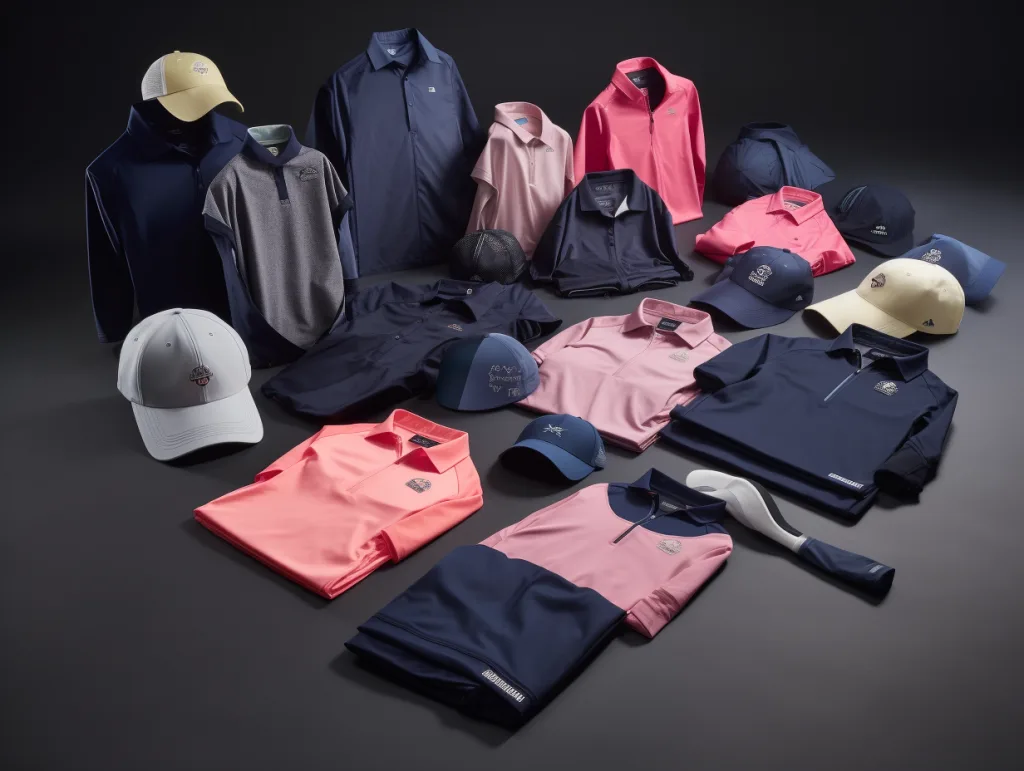
Golf is played in all kinds of weather. Include outerwear options such as windbreakers, thermal vests, and rain jackets. These should be lightweight, packable, and compatible with base uniforms.
Layering pieces must maintain a unified look—use the same color palette and design language. Consider zip-off sleeves or modular designs for versatility.
11. Creating Cohesion Across Team Looks
Uniformity boosts team image. Even with individual variations (like different sizes or sleeve lengths), maintaining a consistent design template ensures visual harmony. Accessories—caps, belts, and gloves—should also match the core aesthetic.
Use mood boards during the design phase to visualize all uniform components together. This helps catch mismatches early and streamlines production.
12. Uniform Functionality in Competitive Play
High-stakes tournaments demand peak performance. Uniforms must support extended concentration and physical exertion. Anti-odor treatments, cooling zones, and lightweight fabrics are vital.
Design should also consider rules and regulations of golfing bodies (e.g., PGA or high school leagues). Ensure compliance with dress codes to avoid penalties.
13. OEM/ODM Golf Uniform Solutions for Teams
OEM (Original Equipment Manufacturer) and ODM (Original Design Manufacturer) services allow full customization. For large orders, this approach gives control over fabric, construction, and branding.
Work with reputable manufacturers who specialize in golf wear. They can guide technical decisions, streamline timelines, and provide quality assurance at scale.
14. Packaging, Logistics & International Delivery Tips
Proper packaging protects uniforms during transit. Use breathable garment bags or eco-friendly wrapping. For international teams, factor in customs requirements and shipping timelines.
Choose logistics partners experienced in apparel transport. Trackable, insured deliveries reduce risk. Offer team managers clear instructions on garment care upon arrival.
15. Success Stories: Golf Teams That Got It Right
Real-world examples inspire confidence. Consider sharing case studies of teams who partnered with professional manufacturers. Highlight their design goals, uniform features, and performance outcomes.
For example, a college golf team opting for sustainable fabrics may see increased sponsor interest. A corporate team with sharp branding might gain visibility at charity tournaments.
16. Quality Control & Final Fitting Before Delivery
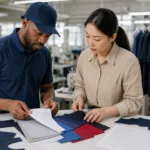
Before mass production, approve samples. Check stitching, color accuracy, logo placement, and fabric behavior. Organize final fittings to catch sizing issues early.
A robust quality control process ensures satisfaction and reduces costly returns. Maintain open communication with your supplier throughout the process.
17. Partnering with a Professional Golf Apparel Manufacturer
The right manufacturer makes or breaks your vision. Look for:
- Experience with golf apparel
- Flexibility in MOQs (Minimum Order Quantities)
- Customization options
- Responsive support
Ninghow, for example, offers OEM/ODM, low MOQ, and international wholesale services—ideal for golf teams seeking professional-grade uniforms tailored to their needs.
📌 Frequently Asked Questions (FAQ)
1. How long does it take to design and produce golf team uniforms?
Depending on customization, design finalization, and production scale, it typically takes 3–6 weeks. OEM/ODM orders may take longer but offer more flexibility.
2. What is the best fabric for golf uniforms?
Moisture-wicking polyester blends are preferred for breathability and quick drying. Fabrics with UV protection and stretch enhance performance.
3. Can we order small quantities for a new golf team?
Yes. Manufacturers like Ninghow offer low or no MOQ options, making it easy for new or smaller teams to access quality uniforms.
4. How do we ensure the uniforms meet our team’s branding?
Work with a manufacturer that offers full customization, including color matching, logo placement, and personalized printing or embroidery.
5. Are there weather-specific golf uniform options?
Absolutely. Teams can include windbreakers, vests, and rain gear in their uniform sets to prepare for all climates.
6. What are common mistakes in golf team uniforms design?
Ignoring movement needs, choosing non-breathable fabrics, and inconsistent branding are common pitfalls. Always prototype and test before finalizing.