

1. Introduction to Startup Apparel Manufacturing
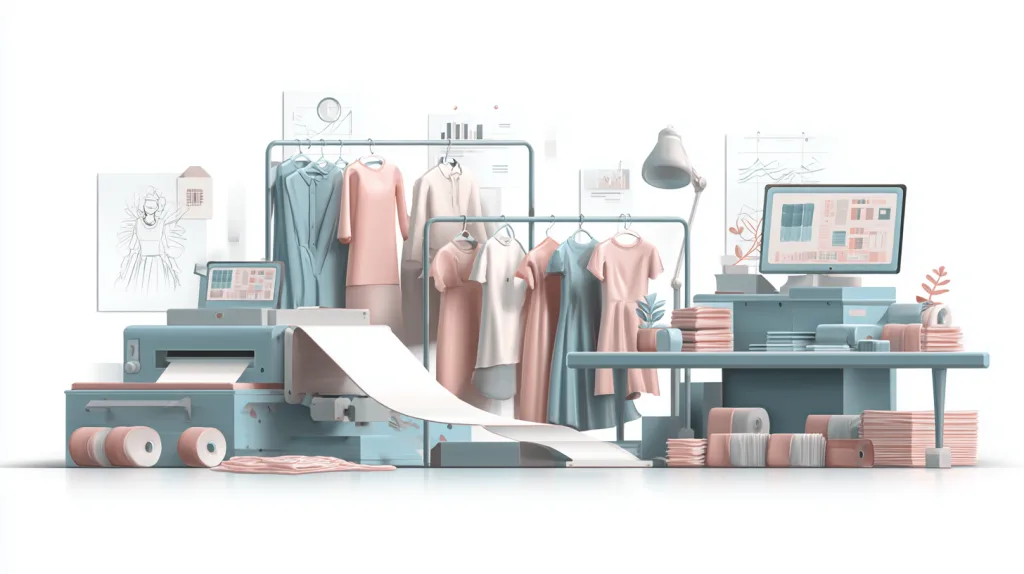
Starting a clothing brand today is more exciting and accessible than ever. Thanks to e-commerce platforms, social media, and print-on-demand technology, entrepreneurs can launch fashion labels with minimal upfront investment. However, behind every great fashion startup lies a reliable clothing manufacturer. These manufacturers are the bridge between your creative ideas and real-world garments your customers can wear. When choosing a partner, it’s essential to find Clothing Manufacturers for Startups that align with your vision.
When navigating the apparel industry, understanding the role of Clothing Manufacturers for Startups becomes vital to success.
Clothing manufacturing for startups involves turning sketches or concepts into finished products, all while navigating challenges like minimum order quantities (MOQ), fabric sourcing, design feasibility, and tight timelines. It’s about finding a partner who understands the agility, experimentation, and low-risk mindset that most startups operate within.
Clothing Manufacturers for Startups play a crucial role in this journey, ensuring that your concepts are brought to life efficiently and effectively.
The right Clothing Manufacturers for Startups will help you overcome production hurdles and bring your vision to life.
In this article, we explore how new fashion brands can find trustworthy manufacturing partners that support growth from idea to scale. Whether you’re producing streetwear, beachwear, or activewear, this guide offers practical insights to help you choose the right manufacturer.
Finding the best Clothing Manufacturers for Startups can significantly impact your market entry strategy.
2. Why Startups Need Specialized Clothing Manufacturers
Startups have very different needs than large fashion houses. Traditional manufacturers may expect high order volumes and offer little flexibility for change. That’s why specialized startup-friendly manufacturers are so important.
Specialized Clothing Manufacturers for Startups understand the unique challenges you face and provide tailored solutions.
Startup-oriented clothing manufacturers understand the need for:
- Low MOQ to reduce financial risk
- Faster turnaround to test the market quickly
- Collaborative development to assist with design and prototyping
- Brand customization with private labeling and packaging
- Responsiveness and good communication throughout the process
These manufacturers often provide support services like tech pack creation, sampling, and even small batch runs. They become an extension of your brand rather than just a production facility. This kind of partnership is critical for iterating quickly and building a product your audience loves.
Collaborating with established Clothing Manufacturers for Startups enhances your brand’s credibility and efficiency.
3. Types of Clothing Manufacturers: OEM vs. ODM vs. OBM
Understanding manufacturer types helps startups choose the right production model:
| Model | Definition | Best For |
|---|---|---|
| OEM (Original Equipment Manufacturer) | You provide the design, they produce it. | Custom clothing lines. |
| ODM (Original Design Manufacturer) | They provide ready-made designs which you can rebrand. | Fast market entry. |
| OBM (Original Brand Manufacturer) | They design, produce, and sell under their own label. | Not ideal for startups. |
For startups, OEM is the best route when creative control is important, while ODM suits entrepreneurs wanting speed and ease.
Choosing between OEM and ODM models informs your partnership with Clothing Manufacturers for Startups.
4. How to Choose a Clothing Manufacturer for Your Startup
Identifying Clothing Manufacturers for Startups who prioritize quality control can safeguard your brand’s reputation.
a. Quality Control Standards
Manufacturing quality defines your brand’s reputation. Reputable manufacturers follow strict quality control procedures:
- In-line and final inspections
- Compliance with international standards like ISO 9001
- Fabric and stitching quality checks
Ask about their defect rate, warranties, and if they offer third-party audits.
b. Lead Time and Flexibility
Lead time can make or break your launch schedule. A good startup manufacturer offers:
- Prototyping in 1–2 weeks
- Bulk production within 4–6 weeks
- Flexibility for revisions mid-process
Make sure they’re adaptable to smaller timelines and pivots.
5. Understanding Low MOQ Policies and Benefits
Always inquire about the MOQ when working with Clothing Manufacturers for Startups to ensure financial viability.
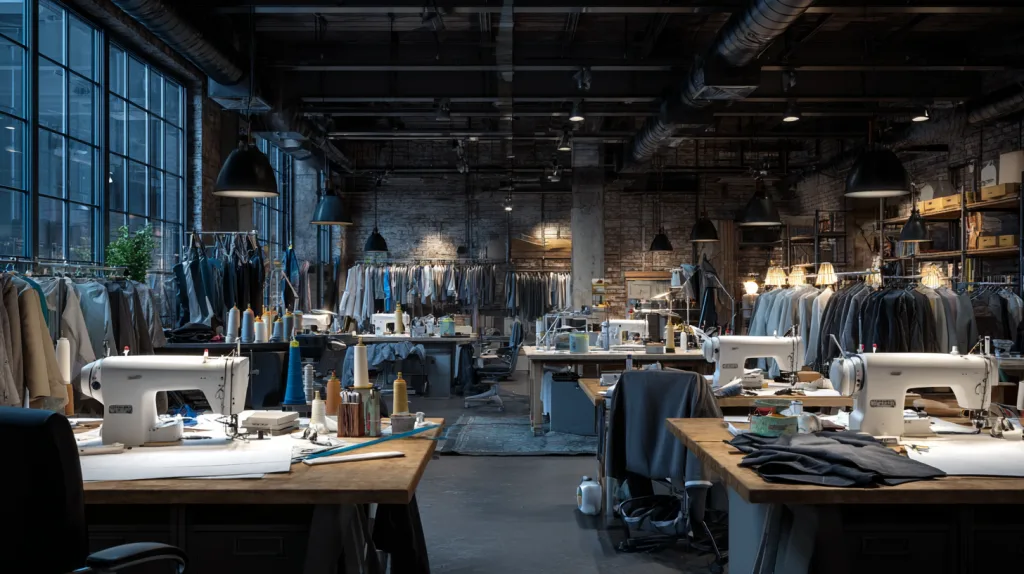
Low MOQ (Minimum Order Quantity) policies allow startups to test products without committing to thousands of units. Benefits include:
- Reduced financial risk
- Market testing before scaling
- Easier inventory management
Ninghow, for example, supports no MOQ manufacturing, allowing even one-piece orders for prototypes or influencers.
6. Customization Options: Fabric, Color, and Design
Startups often thrive on unique, differentiated products. Manufacturers should offer:
- Fabric selection (cotton, polyester, recycled materials)
- Color matching with Pantone systems
- Private labeling (tags, embroidery, prints)
This level of customization helps create a unique identity in a crowded fashion space.
Customization options with Clothing Manufacturers for Startups allow you to differentiate your product in a crowded market, Click here to learn about the Ninghow Private Label Clothing Solution.
7. Essential Apparel Categories for Startups to Consider
Startup clothing lines tend to succeed in niche categories. Examples include:
- Activewear – popular for fitness brands
- Beachwear – great for resort-focused lines
- Business casual – ideal for remote workers
Choosing one category allows you to focus branding, supply chain, and marketing efforts. Here you can view Ninghow’s clothing collection..
Choosing Clothing Manufacturers for Startups who understand ethical sourcing can align your brand with eco-conscious consumers.
8. Sourcing Ethical and Sustainable Materials
Modern consumers care about sustainability. Manufacturers that offer ethical fabric sourcing help you align with eco-conscious customers. Look for:
- Organic cotton, bamboo, or hemp
- Recycled polyester
- Certifications like GOTS or OEKO-TEX
Sustainable sourcing isn’t just good ethics — it’s also a strong marketing point. Here you can learn more about clothing fabrics.
9. Key Questions to Ask Potential Manufacturers
Ask these critical questions to vet your manufacturing partner:
- What is your MOQ and lead time?
- Can you provide client references?
- What quality standards do you follow?
- Do you offer design or tech pack support?
- Are you experienced in my clothing category?
Questions to Ask Your Clothing Manufacturer Before Ordering. Getting clear answers helps you avoid costly mistakes later.
10. Comparing Domestic vs. Overseas Manufacturing
Each option has its pros and cons:
Evaluate the advantages of local versus overseas Clothing Manufacturers for Startups based on your unique needs.
| Aspect | Domestic | Overseas |
| Cost | Higher | Lower |
| Speed | Faster | Slower (shipping) |
| Communication | Easier | May involve language barriers |
| Customization | Often better | Can vary |
Many startups start overseas to save costs but shift domestically as they grow.
11. Technology Integration in Modern Clothing Factories
Tech-savvy factories enhance speed and quality. Look for:
Technology integration with Clothing Manufacturers for Startups streamlines your production process and enhances product quality.
- 3D sampling for faster prototyping
- ERP systems for order tracking
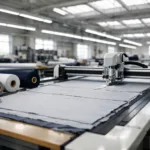
- Automated cutting and sewing for precision
This streamlining reduces human error and supports agile workflows.
12. The Role of Prototyping and Sample Development
Sampling lets you perfect fit, fabric, and details before bulk production. Steps include:
- Creating a tech pack
- First sample production
- Fit testing and feedback
- Revised final sample approval
Don’t skip this step — it ensures your product meets expectations.
13. Packaging and Labeling for Fashion Startups
Presentation matters. Work with manufacturers offering:
- Custom packaging with logos
- Sustainable materials
- Hangtags and care labels
This builds brand credibility and improves unboxing experiences.
14. Logistics and Shipping Considerations for Global Delivery
Understanding logistics with Clothing Manufacturers for Startups is essential for optimizing your supply chain.
A good manufacturer assists with:
- Freight forwarding and customs
- Tracking systems
- Warehousing and fulfillment if needed
Discuss Incoterms (FOB, DDP) and timelines to avoid hidden costs.
15. Cost Breakdown: What Influences the Price Per Unit?
Unit pricing includes:
- Fabric and trims
- Labor
- Packaging
- Logistics
- Duties and taxes
Get a transparent quote to understand your margins. Request cost breakdowns per order size.
16. Real Startup Success Stories: From Idea to Launch

Successful brands often share this journey:
- Create a clear brand vision
- Develop 2–3 sample products
- Launch with pre-orders or influencers
- Collect feedback and scale gradually
Startups like Outerknown and Gymshark began small, iterated quickly, and scaled with manufacturer support.
17. Why Choose Ninghow as Your Manufacturing Partner?
Ninghow specializes in helping startups thrive with:
Ninghow’s expertise as Clothing Manufacturers for Startups can guide you through the complexities of the fashion industry.
- No MOQ requirements
- OEM & ODM capabilities
- Support for sportswear, beachwear, and business apparel
- Fast sampling and low lead times
- Global shipping and logistics support
As a trusted fashion manufacturer, Ninghow prioritizes flexibility, quality, and communication — the perfect recipe for startup success.
FAQ: Common Questions About Clothing Manufacturers for Startups
What is the typical MOQ for startup-friendly manufacturers?
Most offer low or no MOQ — even one piece — for sampling or small batch orders.
How long does it take from design to delivery?
Typically 6–10 weeks including sampling, revisions, and production.
Can I start with just one product or collection?
Yes. Many startups launch with a single product to reduce complexity and test demand.
What types of fabrics are best for startups?
Cotton, recycled polyester, and bamboo are popular for comfort, sustainability, and affordability.
Do manufacturers help with tech packs and design sketches?
Some manufacturers, like Ninghow, offer tech pack assistance and sample consulting.
How are shipping and import taxes handled for international orders?
Reputable manufacturers guide you through Incoterms, customs, and delivery tracking.
Conclusion
Choosing the right clothing manufacturer is a defining decision for any startup. By focusing on quality, flexibility, and communication, your fashion brand can scale with confidence.
Ultimately, the right Clothing Manufacturers for Startups will empower your brand to thrive in a competitive landscape.
