




Pillar Content: How to Find a Clothing Manufacturer in China (2025 Guide)
Choosing a clothing manufacturer is one of the most crucial decisions for any fashion brand, retailer, or startup entering the apparel industry. Whether you’re launching a new streetwear line, creating uniforms for a sports team, or scaling an existing eCommerce brand, the manufacturer you select can significantly impact product quality, delivery timelines, brand reputation, and your bottom line.
With so many options available—local and overseas, large-scale factories and small-batch workshops—it can feel overwhelming to narrow down the right partner. In this guide, we’ll explore 10 essential factors to consider when choosing a clothing manufacturer to help you make an informed decision that aligns with your brand’s goals.
Let’s dive in.
1. Product Quality and Consistency
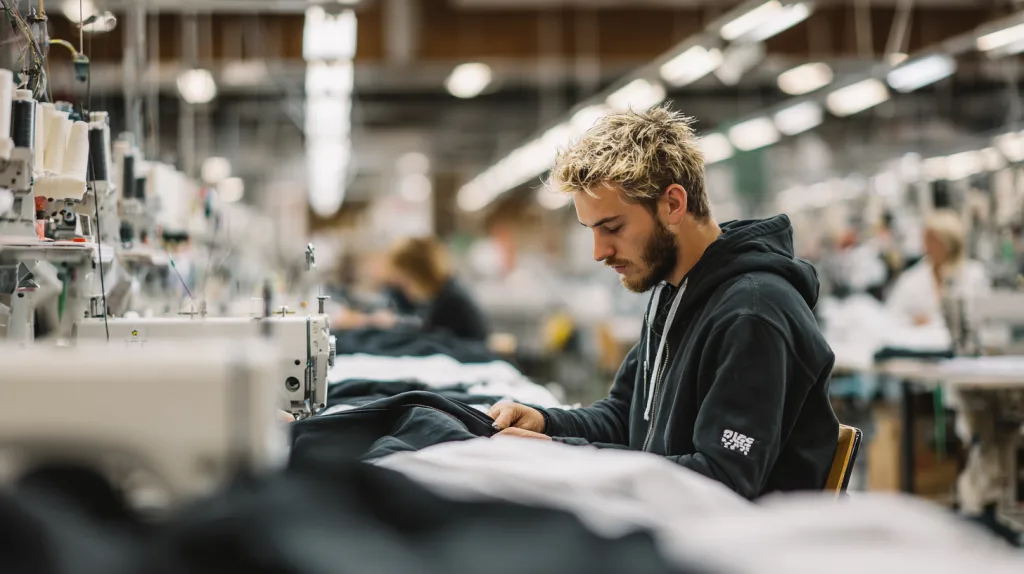
At the heart of every successful clothing brand is quality. Your customers will judge your entire brand based on the look, feel, and durability of your apparel.
How to evaluate quality:
- Request samples before placing any bulk order. Examine stitching, fabric quality, colorfastness, sizing accuracy, and finishing details.
- Ask about quality control processes. Does the factory inspect goods at every stage of production?
- Look for past client reviews or testimonials specifically mentioning product quality.
Tip: If you’re unsure how to judge quality, compare your sample with a well-known brand you admire. Would you pay retail price for your own sample?
2. Minimum Order Quantities (MOQs)
Minimum order quantities (MOQs) can vary widely between manufacturers. Some require thousands of units per design, while others—like Ninghow—offer flexible low MOQs to support small brands and startups.
Questions to ask:
- What is the MOQ per style and per color?
- Can they accommodate smaller runs for testing the market?
- Are prices significantly higher for low-MOQ orders?
Scenario: A new swimwear brand may only want to test 100 pieces of a few styles. Choosing a manufacturer with a high MOQ would lock up too much capital early on.
3. Communication and Responsiveness

Communication can make or break a manufacturing relationship. Clear, timely, and professional communication leads to fewer mistakes and smoother production.
What to watch for:
- How quickly does the factory reply to emails or inquiries?
- Do they answer your questions clearly and thoroughly?
- Is there a dedicated account manager or contact person?
Bonus tip: Choose manufacturers who can provide updates in real-time (e.g., photos or videos during sampling or production stages).
4. Lead Times and Delivery Schedules
Reliable lead times are essential to meet launch dates, seasonal drops, or restocks.
Key lead time considerations:
- Sampling time: How long will it take to create your custom sample?
- Production time: How many days/weeks from order confirmation to shipment?
- Shipping time: Factor in courier or freight transit if working with overseas manufacturers.
Red flag: A factory that consistently misses deadlines can derail your business.
Pro tip: Always build in a buffer of 1–2 weeks into your delivery schedule.
5. Manufacturing Capabilities
Not all factories are created equal. Some specialize in knitwear; others in outerwear or activewear. Choosing a factory with the right capabilities ensures better quality and efficiency.
What to look for:
- Do they have experience with your product category (e.g., hoodies, T-shirts, beachwear)?
- Do they support customization needs like embroidery, printing, labeling, and special trims?
- What types of fabrics and finishes can they work with?
Use case: A sports apparel brand needs a factory experienced in moisture-wicking fabrics and performance stitching—not just basic cotton tees.
6. Certifications and Compliance
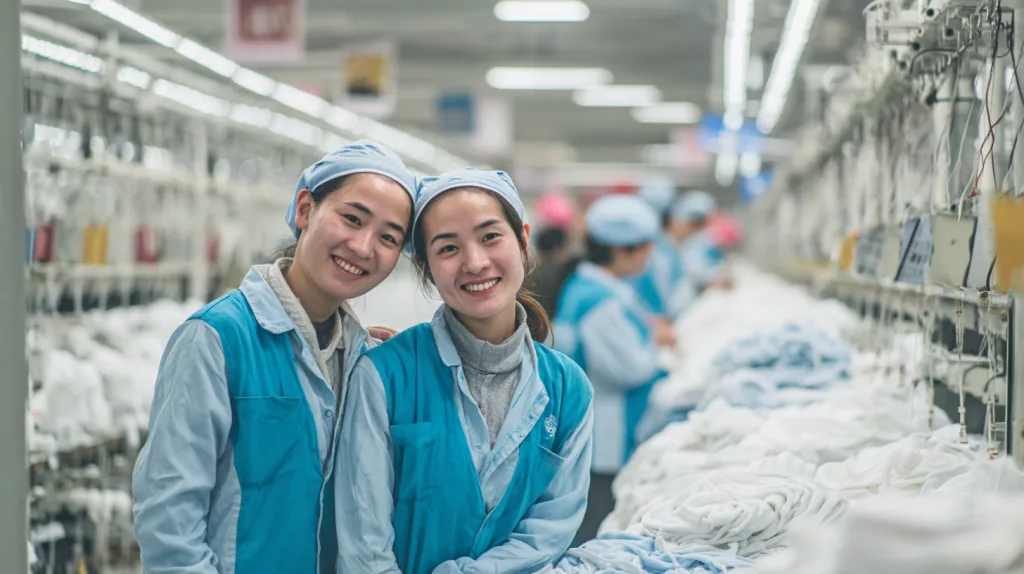
Certifications offer peace of mind and help your brand stay ethical and sustainable. This is especially important for eco-conscious brands or those selling in regulated markets like the EU.
Common certifications include:
- BSCI or Sedex for ethical labor and safe working conditions
- OEKO-TEX for safe, non-toxic textiles
- GOTS or GRS for organic or recycled materials
Ask for documentation, and don’t hesitate to verify certificates.
Reminder: Certifications not only ensure legal compliance but also build trust with your customers.
7. Sampling Process and Flexibility
A smooth sampling process is a good indicator of the factory’s professionalism and flexibility.
Ask the factory:
- How many rounds of sampling are included?
- Can they accommodate design changes or material swaps?
- How long will each sample iteration take?
Ninghow Advantage: At Ninghow, we offer fast sampling—as quick as 7–10 days—so you can go to market faster.
Tip: Always test one final pre-production sample (PP sample) before full production begins.
8. Pricing and Payment Terms
While price shouldn’t be your only consideration, it does affect profitability and scalability.
Pricing checklist:
- Get a detailed cost breakdown: fabric, labor, trims, printing, packaging.
- Ask if bulk discounts are available.
- Compare quotes from 2–3 manufacturers (but ensure specs are identical).
Also consider:
- Payment terms (e.g., 50% deposit, 50% before shipping)
- Hidden charges (custom duties, taxes, sampling fees)
Warning: The cheapest quote often comes with the highest long-term costs if quality or timelines are compromised.
9. Factory Reputation and Experience
A manufacturer’s track record says a lot about what you can expect.
Ways to evaluate reputation:
- Check online reviews, B2B platforms, and LinkedIn
- Ask for client references or case studies
- Review how long they’ve been operating and what brands they’ve worked with
Bonus: Factories with extensive experience often provide useful advice to optimize your design or reduce production costs.
10. Location and Shipping Logistics
The factory’s location can influence cost, speed, and convenience.
Pros and cons of local vs. overseas:
- Local manufacturers: Easier communication, shorter shipping, but often higher costs.
- Overseas (e.g., China, Vietnam, Bangladesh): Competitive pricing, more variety, but longer transit and cultural differences.
What to ask:
- Which shipping partners do they use?
- Can they handle DDP (Delivered Duty Paid) or are you responsible for customs?
- Do they offer package tracking and insurance?
Tip: If you’re based in the US or EU, many Asian manufacturers offer smooth logistics support with customs and warehousing partners.