


Pillar Content: How to Start a Clothing Brand
Starting a clothing business can feel like a mountain to climb, but buying wholesale offers a solid, accessible path to getting your brand off the ground. Whether you dream of launching a streetwear label, supplying uniforms for a team, or building an e-commerce boutique, wholesale purchasing allows you to enter the market without manufacturing from scratch. If you’re eager to learn how to successfully Start a Clothing Business, this guide is for you. It’s a comprehensive overview on how to Start a Clothing Business effectively.
In this guide, we’ll walk you through the essential steps of launching a clothing business using wholesale suppliers. You’ll learn how to choose the right partners, build your brand, and grow strategically from wholesale to custom. This is a crucial step in how to Start a Clothing Business successfully and sustainably.
Why Start with Wholesale?
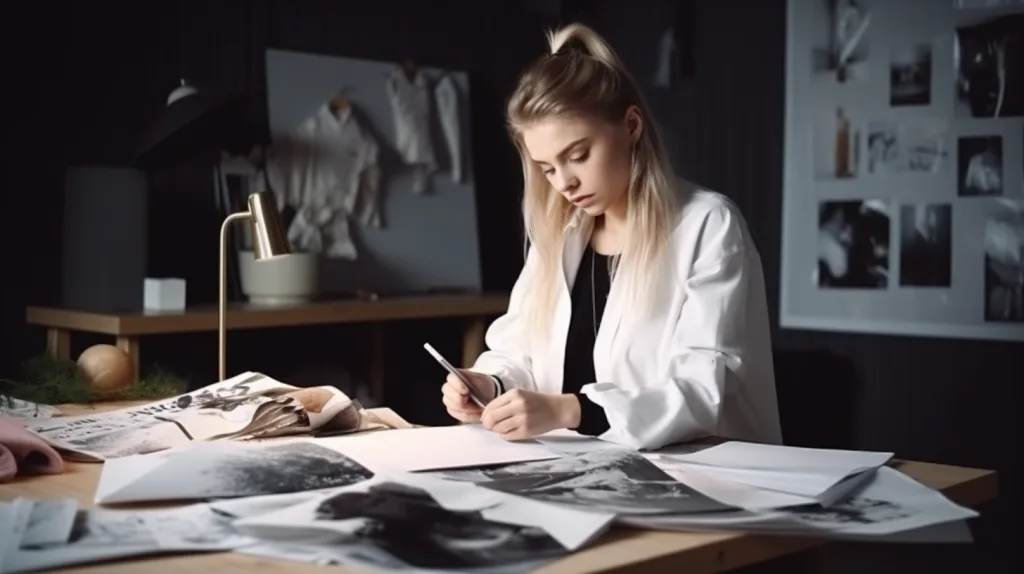
Buying wholesale is one of the most efficient ways to enter the apparel business. Here’s why:
- Lower Startup Costs: No need to invest in manufacturing equipment or large-scale production.
- Faster Time to Market: You can start selling as soon as inventory is in hand.
- Test Before Scaling: Validate designs, markets, and price points before committing to custom production.
For startups, it provides a low-risk way to learn the ropes while building brand presence.
Step 1: Define Your Niche and Customer
Before sourcing anything, clarify who you’re selling to. Successful businesses start with focus.
- Are you targeting streetwear fans, activewear enthusiasts, or corporate clients?
- What age group, lifestyle, and spending power do they have?
This will influence everything from product selection to marketing.
Step 2: Build a Brand Identity
Even when buying wholesale, your brand needs to feel unique. Develop:
- Brand Name & Logo: Memorable, relevant, and trademark-safe.
- Tone of Voice: Casual? Sporty? Premium? Your tone shapes customer perception.
- Visual Style: Color palette, typography, and style that aligns with your audience.
Your identity will carry across labels, packaging, and online presence.
Step 3: Choose the Right Wholesale Supplier

Your supplier can make or break your business. Look for a partner like Ninghow who offers:
- Wide Product Range: T-shirts, hoodies, shorts, and more.
- Small MOQ Options: Start with as few as 50–100 units.
- Reliable Lead Times: Get your stock when you need it.
- Customization Support: Ready to help when you grow into branded apparel.
When vetting suppliers, ask for samples, production timelines, and references.
Step 4: Select and Order Your First Inventory
Focus on a small, curated selection of items for launch. Consider:
- Best-selling basics: solid T-shirts, hoodies, joggers
- Seasonal relevance: beachwear in summer, fleece in winter
- Custom add-ons: printed neck labels, branded hangtags
Use data from platforms like Pinterest, TikTok, and competitors to spot trends.
Step 5: Set Up Sales Channels
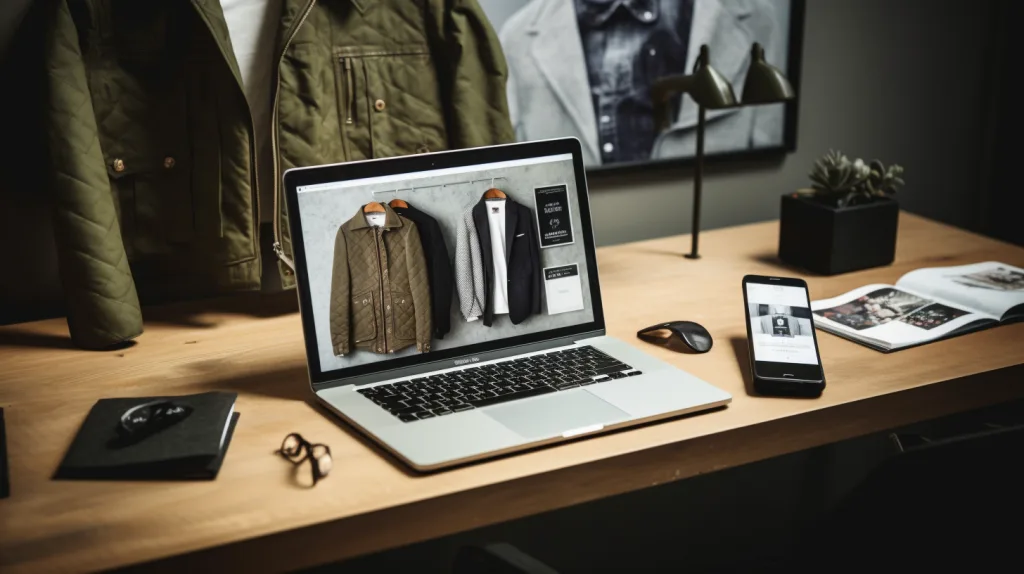
You need a way to reach and convert customers. Start with 1-2 channels:
- E-commerce Store: Shopify or WooCommerce offer fast setup.
- Marketplaces: Etsy, Amazon, or Faire for added exposure.
- Social Selling: Instagram, Facebook, or TikTok Shops.
Photography and copy are key — showcase the lifestyle and quality of your products.
Step 6: Price for Profit
Consider your wholesale cost, shipping, packaging, and marketing when setting prices. A healthy retail markup is 2.5x to 3x the wholesale price.
- For example, if a hoodie costs $12 wholesale, sell it for $30–$36.
- Offer bundles, discounts, or limited drops to increase value.
Step 7: Market Your Launch
Even the best product won’t sell without promotion. Build hype before launch:
- Teaser posts, behind-the-scenes videos, influencer seeding
- Countdown campaigns, early access for email subscribers
- Collaborate with local events or micro-influencers
After launch, run ads, email campaigns, and optimize based on feedback.
Step 8: Monitor, Adapt, and Grow
Track your sales, inventory, and customer feedback closely. Successful entrepreneurs:
- Drop slow sellers and double down on top performers
- Reinvest profits into new styles or limited editions
- Gradually transition to custom manufacturing as demand grows
Ninghow helps brands evolve from buying wholesale to launching their own signature collections with embroidery, labels, and fully custom fits.
Real-World Example: A Startup Journey
Ali, a 26-year-old entrepreneur from Canada, launched his fitness-inspired brand using wholesale activewear. He started with 300 units of performance T-shirts and joggers sourced from Ninghow. Within two months:
- He sold out on Instagram and his Shopify store.
- Reinvested into a 2nd batch with printed neck labels and hangtags.
- Now scaling up with custom compression shorts and tank tops.
Ali’s story is just one of many who turned wholesale buying into long-term brand growth.