





Pillar Content: High Capacity Clothing Manufacturer Guide
Starting or scaling an apparel brand comes with a series of decisions that can shape your long-term success. One of the most critical is choosing between low MOQ (Minimum Order Quantity) and high volume production. Both options offer distinct advantages and limitations, and the right choice depends heavily on your brand’s stage, goals, and market strategy. Understanding the differences between Low MOQ vs High Volume is essential when evaluating your production needs.
In this article, we’ll break down the pros and cons of low MOQ vs high volume production, helping you evaluate the best fit for your business. Whether you’re a budding brand launching your first line or an established company scaling up, understanding these two manufacturing models, particularly Low MOQ vs High Volume, will guide you toward a smarter sourcing decision that aligns with your operational goals.
Understanding Low MOQ Production
Low MOQ production allows brands to order smaller quantities of apparel, often starting from as little as 50 to 100 units per style. OEM apparel manufacturers offering this flexibility are ideal for startups, boutique labels, or experimental capsule collections.
Pros of Low MOQ Production
- Lower financial risk: Small batch orders mean less capital tied up in inventory.
- Greater design flexibility: Quickly test new styles, colors, or prints without a large commitment.
- Faster market feedback: Launch collections more frequently and learn from real customer response.
- Easier storage and logistics: No need to worry about warehousing thousands of units.
Cons of Low MOQ Production
- Higher per-unit cost: Economies of scale are limited, so individual pieces cost more.
- Potential for slower lead times: Small orders might not be prioritized by large-scale factories.
- Limited negotiation leverage: Smaller volumes may mean fewer customization or pricing options.
Exploring High Volume Production
Low MOQ vs High Volume: Choosing the Right Production Method
High volume production typically involves ordering 1,000 units or more per style. This model suits brands with established sales channels, consistent demand, and the ability to forecast inventory accurately.
Pros of High Volume Production
- Lower per-unit pricing: Benefit from bulk production discounts.
- Stronger factory relationships: High-volume clients often receive priority in scheduling and sampling.
- Consistent quality control: Larger orders allow for tighter manufacturing process controls.
- Long-term cost efficiency: Reduces overhead when spread across more units.
Cons of High Volume Production
- Higher upfront investment: Large runs require significant capital outlay.
- Greater risk of unsold inventory: Misjudging demand can lead to stockpiles.
- Slower product iteration: Making changes mid-cycle is difficult and expensive.
- Storage and logistics challenges: Requires space and systems to manage large quantities.
Which Option Suits Your Brand Stage?
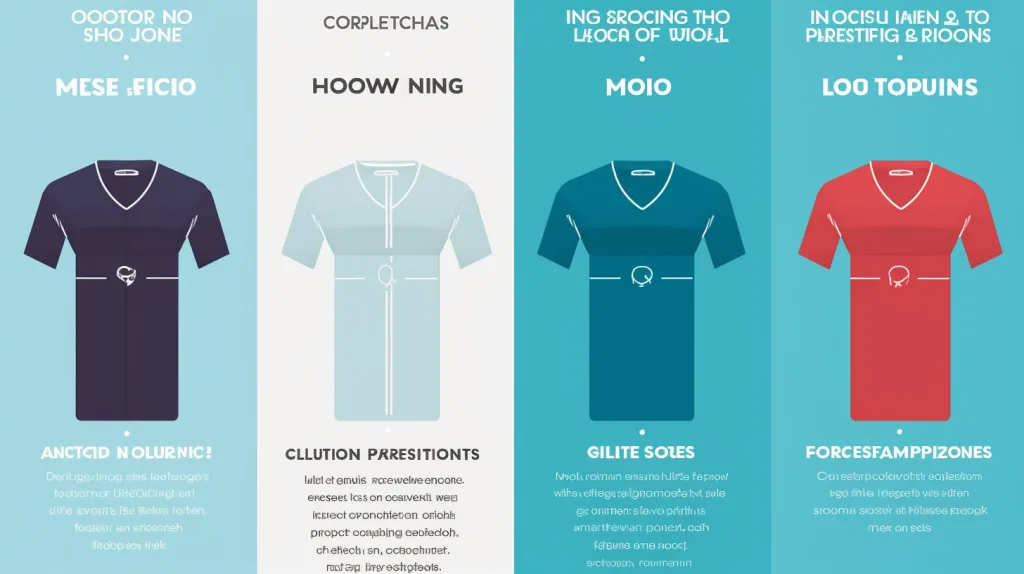
For New or Small Brands
Low MOQ is often the safer choice. Startups benefit from the agility and low financial risk. You can:
- Launch small, test the market.
- Pivot quickly based on customer feedback.
- Avoid the burden of unsold stock.
For Scaling or Established Brands
Once your brand gains traction, high volume production may become more attractive. You can:
- Take advantage of bulk pricing.
- Plan seasonal collections in advance.
- Build stronger partnerships with OEM apparel manufacturers.
Hybrid Approach: The Best of Both Worlds?
Many growing brands adopt a hybrid strategy:
- Use low MOQ for trend testing or limited edition drops.
- Use high volume for proven best-sellers or core collections.
This strategy balances flexibility with cost-efficiency and allows your brand to stay responsive while scaling effectively.
How Ninghow Supports Both Models
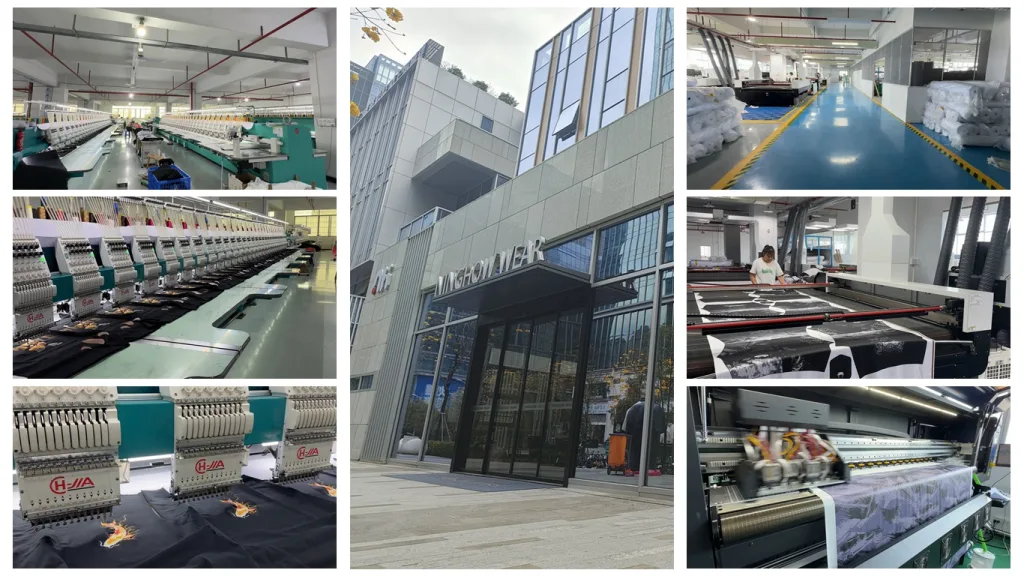
At Ninghow, we specialize in OEM apparel manufacturing for both small batch and large-scale production. Whether you’re testing your first designs or ramping up your supply chain, we offer:
- Flexible low MOQs starting at just 50 pieces per style.
- High capacity production with robust quality control systems.
- Fast sampling and customization to keep your brand moving.
- Supportive partnerships designed for startups and scaling brands.
We understand that every brand has unique needs. That’s why we tailor our services to help you grow with confidence — at your pace, on your terms.
Final Thoughts
Choosing between low MOQ vs high volume production isn’t a one-time decision. Your needs will evolve as your brand grows. Start lean, stay flexible, and scale strategically. Partnering with an OEM apparel manufacturer that supports your journey at every stage is key to long-term success.
Whether you’re launching your first product or preparing for global distribution, Ninghow is here to help you find the right path.