




When it comes to designing high-performance workout shorts, fabric stretch can make or break user experience. Whether you’re catering to athletes, fitness brands, or active lifestyle communities, choosing between 4-way stretch vs 2-way materials has a direct impact on mobility, comfort, and overall product appeal.
In this article, we’ll break down the technical differences, real-world applications, and performance impacts of these two fabric types. By the end, you’ll know exactly which to choose when developing your next line of custom workout shorts.
What is Stretch Fabric?
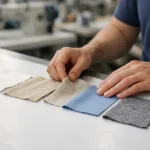
Stretch fabric refers to textile material that can extend and return to its original shape. It’s widely used in activewear for improved fit, comfort, and freedom of movement. Stretch is achieved by blending synthetic fibers like elastane (also known as Spandex or Lycra) with base fibers like polyester or nylon.
2-Way vs. 4-Way Stretch: What’s the Difference?
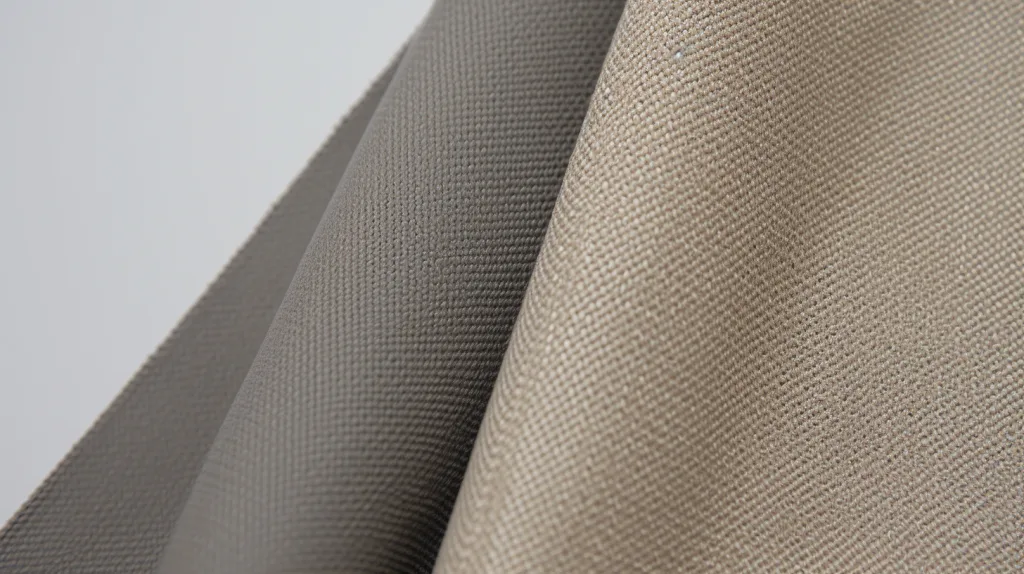
2-Way Stretch:
- Stretches in one direction only — typically horizontally
- Limited flexibility — doesn’t move well vertically
- Less expensive and often used for structured garments
- Holds shape better in some designs, like waistbands or outerwear
4-Way Stretch:
- Stretches in both directions — horizontally and vertically
- Superior flexibility and range of motion
- Ideal for dynamic activities like squats, lunges, and HIIT workouts
- More premium, but adds significant comfort and performance
Performance Impact on Workout Shorts
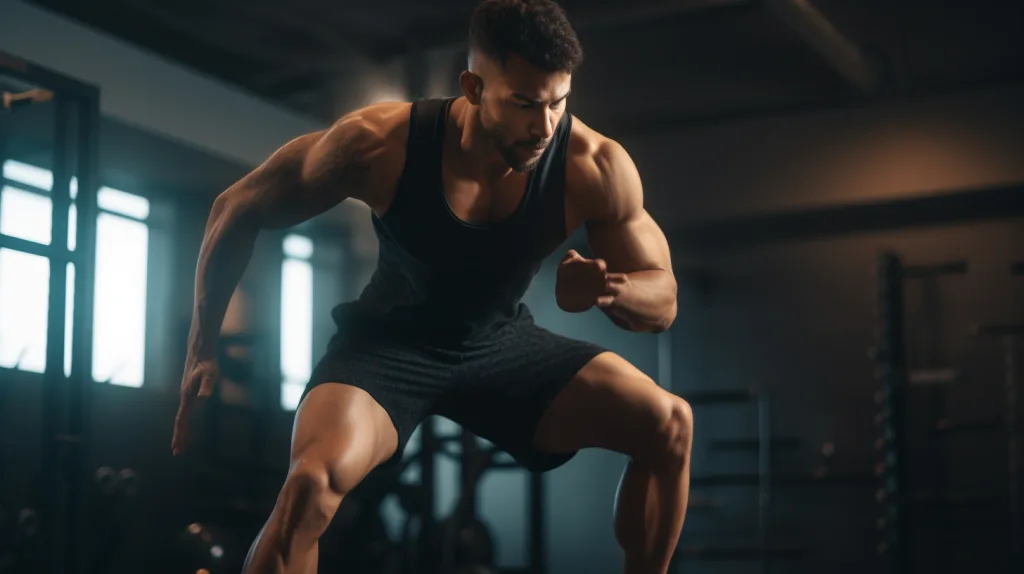
Your choice between 2-way and 4-way stretch fabrics directly affects how the shorts perform during movement-heavy activities. Here’s how:
Mobility and Flexibility
- 2-Way: Fine for casual use or light training. But it may restrict movement during deep squats or yoga poses.
- 4-Way: Allows complete range of motion. Feels seamless whether running, jumping, or stretching.
Comfort and Fit
- 2-Way: May feel stiff or bunch in high-movement areas.
- 4-Way: Conforms to body contours and moves with you, reducing friction and chafing.
Durability Under Stress
- 2-Way: May wear out faster in high-flex zones (e.g., inner thighs, seat area).
- 4-Way: Distributes tension evenly, extending garment life under active use.
Visual Appeal and Shape Retention
- 2-Way: Holds sharper structure — better for fashion-style shorts.
- 4-Way: Offers a smoother, more athletic drape.
Which Is Better for Different Use Cases?
Choosing between 2-way and 4-way stretch depends on your audience, price point, and intended activity. Here’s a breakdown:
Best Use Cases for 4-Way Stretch Shorts:
- High-intensity training (CrossFit, HIIT, plyometrics)
- Weightlifting and squats
- Yoga and Pilates
- Running or cycling
- Athleisure brands emphasizing comfort
Best Use Cases for 2-Way Stretch Shorts:
- Casual fitness or walking
- Branded promotional shorts
- Budget-conscious product lines
- Shorts with structured or minimal designs
Real-World Scenarios
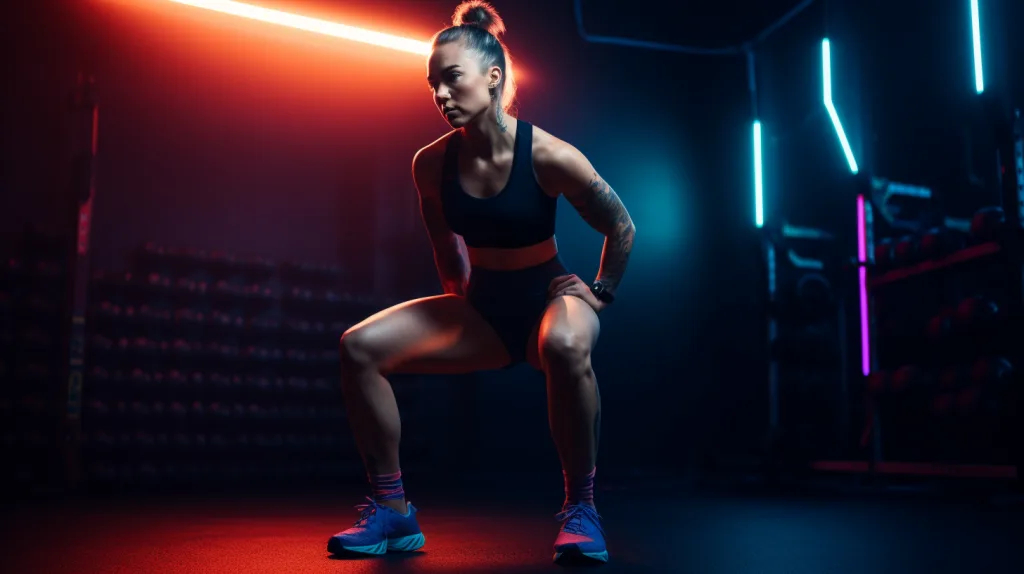
Scenario 1: Launching a Premium Gymwear Line
If you’re creating a brand that targets fitness enthusiasts and gym-goers, 4-way stretch is a must. These users expect fluid motion and sweat-resistant comfort. Consider adding side vents or laser-cut hems to enhance mobility further.
Scenario 2: Bulk Production for Events or Gyms
For a budget-sensitive bulk order (e.g., branded shorts for a marathon or gym opening), 2-way stretch can work. Pair it with mesh panels or elastic waistbands to improve comfort while staying cost-efficient.
Scenario 3: Influencer Capsule Collections
Influencers who promote functional, fashionable fitness wear can benefit from 4-way stretch with flattering fits, stylish silhouettes, and performance credibility.
How Ninghow Can Help
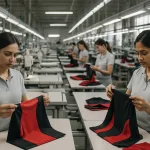
At Ninghow, we offer custom gym shorts in both 2-way and 4-way stretch materials, with full control over fit, trim, waistband, and features.
Why choose Ninghow for your activewear production?
- Small MOQs perfect for new fitness brands or content creators
- Access to premium fabrics: recycled polyester, performance knits, stretch mesh
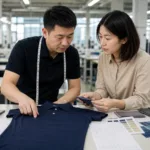
- Fast sampling to test fit and stretch before production
- Full design support: graphics, labels, private labeling
We help you find the right balance of performance, comfort, and cost to meet your goals.