






Introduction
The children’s apparel market is booming — and launching a children’s clothing brand today offers immense opportunities for brand owners, wholesalers, startups, and even event organizers. However, entering this space requires more than just cute designs; it demands market knowledge, quality manufacturing, and strategic branding. This guide will walk you through the key steps to establish a successful children’s clothing brand and thrive in 2025 and beyond.
Why Start a Children’s Clothing Brand?
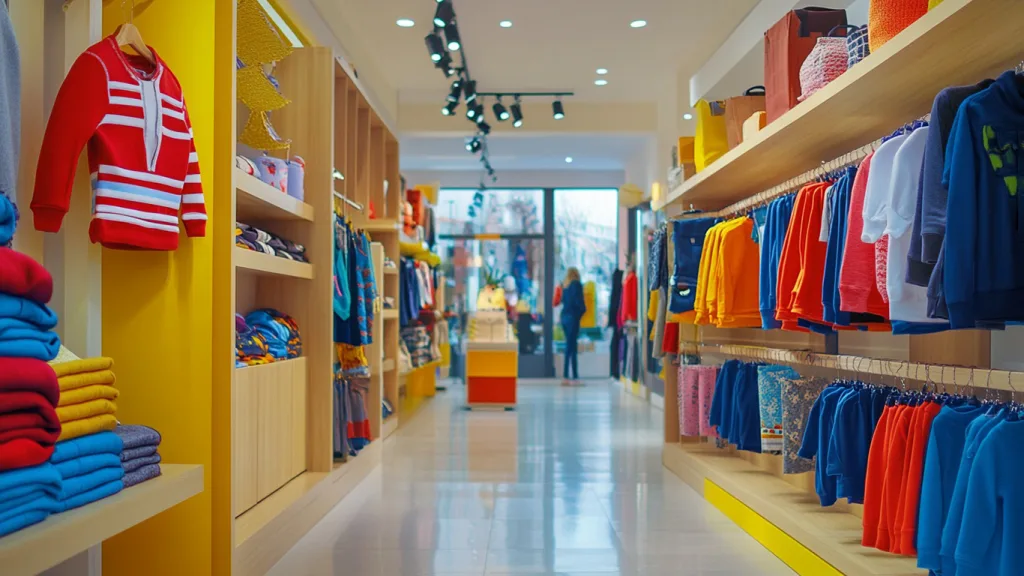
The children’s apparel sector continues to grow steadily due to rising birth rates, higher disposable incomes, and the “mini-me” fashion trend. Here’s why it’s a smart move:
- Steady Demand: Children outgrow clothes quickly, leading to frequent purchases.
- Niche Opportunities: From organic fabrics to themed apparel, niches are plentiful.
- Emotional Purchasing: Parents prioritize quality and aesthetics, often splurging more on children than on themselves.
Key Steps to Launch Your Children’s Clothing Brand
1. Define Your Brand Identity
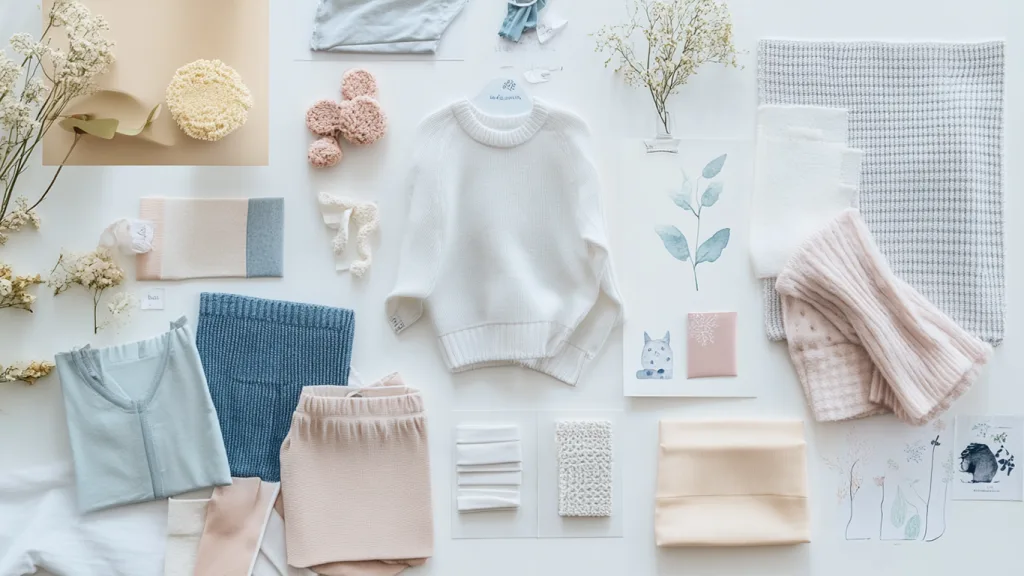
Your brand identity shapes customer perception. Ask yourself:
- What values will your brand represent? (e.g., sustainability, luxury, affordability)
- What styles will you specialize in? (e.g., streetwear, formal, everyday wear)
- Who exactly is your target audience? (e.g., eco-conscious parents, boutique shoppers)
Tip: Develop a compelling brand story to emotionally connect with buyers.
2. Conduct Market Research
Before designing your collection:
- Analyze competitors (both local and international)
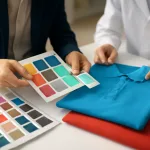
- Identify trending materials, colors, and patterns
- Understand pricing strategies in your niche
Pro Tip: Tools like Google Trends and Pinterest can help you spot emerging fashion trends.
3. Create a Unique Product Line
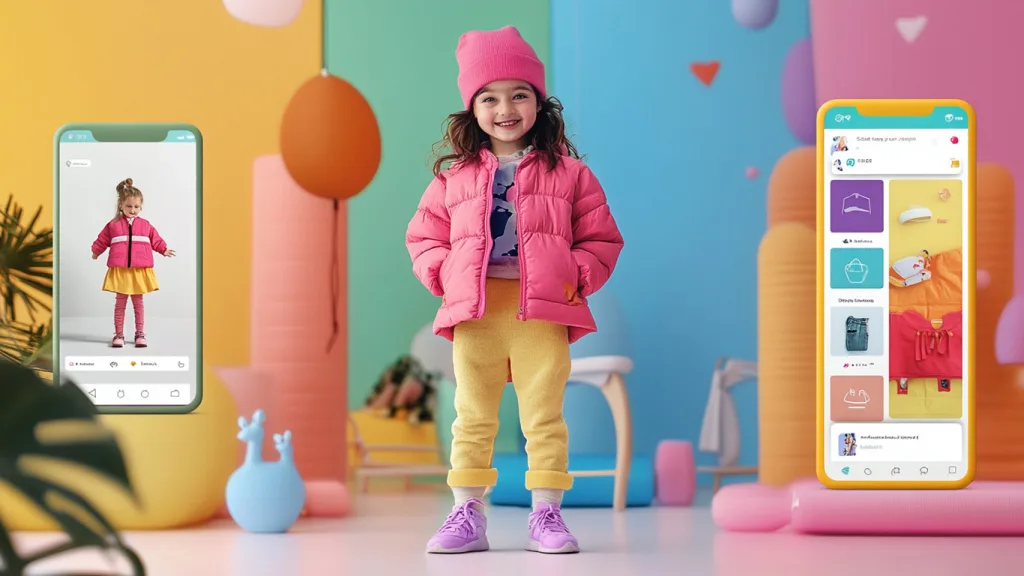
Focus on creating designs that stand out. Consider:
- Material: Organic cotton, bamboo fibers, and recycled fabrics are trending.
- Functionality: Easy closures, adjustable sizing, and durable stitching.
- Safety: Comply with child safety standards regarding dyes, embellishments, and fits.
Pro Tip: Always prioritize comfort over style when designing for younger children.
4. Choose the Right Manufacturer
Selecting a trusted custom children’s clothing manufacturer is crucial. Look for:
- Experience with children’s apparel
- Low minimum order quantities (MOQs) for startups
- Flexible customization options (fabric sourcing, embroidery, printing)
- Compliance with safety and ethical manufacturing standards
Partner with Ninghow to benefit from professional guidance, competitive pricing, and exceptional quality control.
5. Build a Strong Online Presence
Today, a vibrant online presence is non-negotiable:
- Website: Create a mobile-optimized, visually appealing e-commerce site.
- Social Media: Leverage Instagram, Pinterest, and TikTok with user-generated content and collaborations.
- Content Marketing: Post blogs, lookbooks, and style guides to attract organic traffic.
6. Launch Strategically
Plan a memorable launch event or campaign:
- Pre-launch email list building
- Collaborations with parenting influencers
- Limited-edition “founder’s collection”
- Early bird discounts
Pro Tip: Use storytelling and behind-the-scenes content to build excitement.
Common Mistakes to Avoid
- Ignoring sizing variations across regions
- Underestimating the importance of quality control
- Focusing too much on trends and not enough on timeless designs
- Overcomplicating your initial collection
Conclusion
Building a successful children’s clothing brand takes creativity, research, and resilience. Focus on understanding your audience, maintaining exceptional quality, and building a trusted name. With the right foundation and strategic partnerships, your brand could be the next big name in children’s fashion.