






Introduction
As sustainability takes center stage in the textile industry, Recycled Polyester Fabric (rPET) is revolutionizing how we produce and use synthetic textiles. Unlike traditional polyester, which is derived from petroleum, rPET fabric is made from recycled plastic bottles, textile waste, and ocean plastics, reducing environmental impact and promoting a circular economy.
But is recycled polyester fabric as durable and functional as regular polyester? The answer is yes—it offers the same strength, flexibility, and moisture-wicking properties while significantly lowering carbon emissions and plastic waste.
In this guide, we’ll explore the benefits, production process, types, and uses of recycled polyester fabric and why it’s a game-changer for sustainable fashion.
What Is Recycled Polyester Fabric?
Recycled polyester fabric (rPET) is a sustainable textile made by repurposing post-consumer plastic bottles, discarded polyester garments, and industrial polyester waste. Instead of relying on virgin petroleum, recycled polyester reduces plastic waste and greenhouse gas emissions while maintaining the durability of traditional polyester.
How Recycled Polyester Fabric Is Made
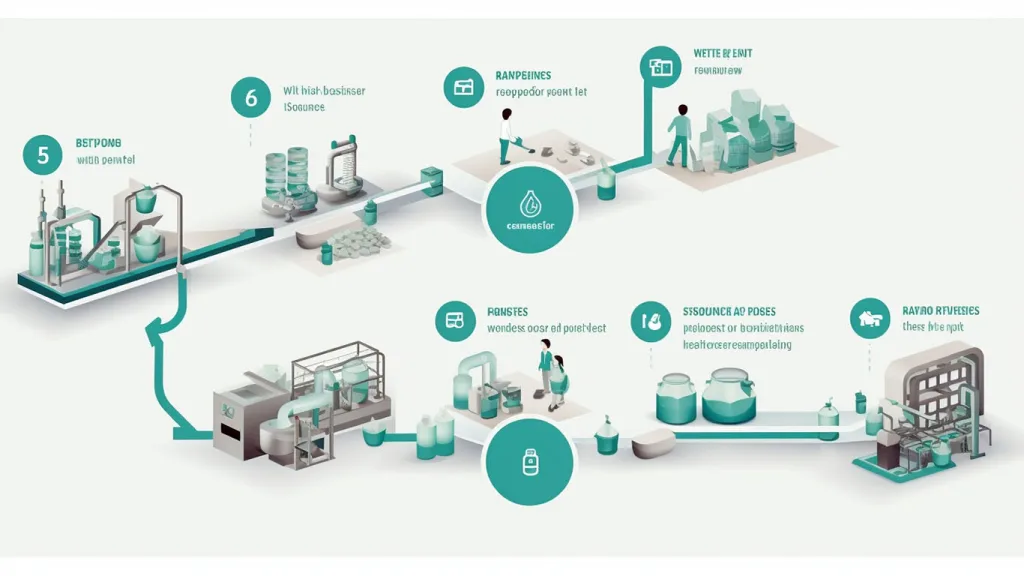
- Plastic Waste Collection– Used plastic bottles and polyester textiles are collected from landfills and oceans.
- Cleaning & Shredding– Plastics are cleaned, sorted, and shredded into small flakes.
- Melting & Fiber Production– The flakes are melted and spun into new polyester fibers.
- Weaving into Fabric– The fibers are woven or knitted into sustainable textiles.
This closed-loop recycling process reduces landfill waste, saves energy, and requires up to 50% less CO₂ emissions compared to virgin polyester production.
Types of Recycled Polyester Fabric

1. Recycled Polyester (rPET) Woven Fabric
- Strong, durable, and wrinkle-resistant.
- Used in jackets, workwear, and formal clothing.
2. Recycled Polyester Knit Fabric
- Soft, flexible, and stretchy.
- Ideal for T-shirts, activewear, and leggings.
3. Recycled Polyester Fleece
- Warm, insulating, and lightweight.
- Common in hoodies, winter jackets, and outdoor gear.
4. Recycled Polyester Satin
- Smooth, shiny, and luxurious.
- Used in evening wear, lingerie, and upholstery.
5. Recycled Polyester Mesh
- Breathable and moisture-wicking.
- Found in sports jerseys, shoe linings, and bags.
Why Choose Recycled Polyester Fabric?
1. Eco-Friendly & Sustainable
✔ Reduces plastic waste – Each rPET garment repurposes plastic bottles and textile waste.
✔ Lowers carbon emissions – Producing rPET fabric reduces CO₂ emissions by up to 50%.
✔ Conserves water & energy – Uses less water and energy than virgin polyester.
2. Durable & Long-Lasting
✔ Retains strength and flexibility, just like traditional polyester.
✔ Resistant to wrinkles, shrinking, and stretching.
3. Moisture-Wicking & Breathable
✔ Excellent for activewear and sportswear.
✔ Keeps the body cool and dry by wicking away moisture.
4. Versatile & Lightweight
✔ Suitable for fashion, home textiles, and industrial applications.
✔ Can be blended with organic cotton, spandex, or wool for added softness.
5. Supports Circular Fashion
✔ Recycled polyester can be recycled multiple times, reducing fashion waste.
✔ Helps brands move toward zero-waste and circular economy models.
Common Uses of Recycled Polyester Fabric
1. Sustainable Fashion & Apparel
✔ T-shirts, dresses, and leggings – Soft, breathable, and eco-friendly.
✔ Sportswear and athleisure – Moisture-wicking and flexible.
✔ Jackets and outerwear – Insulating, warm, and weather-resistant.
2. Home Textiles & Upholstery
✔ Bedsheets and pillowcases – Lightweight and wrinkle-resistant.
✔ Curtains and drapes – Durable and fade-resistant.
✔ Cushions and furniture upholstery – Stylish and sustainable.
3. Outdoor & Industrial Applications
✔ Camping gear and tents – Lightweight yet strong.
✔ Car seat covers and marine textiles – Water-resistant and durable.
✔ Bags, shoes, and accessories – Made from rPET blends.
4. Eco-Friendly Packaging & Innovation
✔ Reusable shopping bags – Stronger than traditional plastic bags.
✔ Recycled polyester labels and branding materials – Supporting sustainable businesses.
Recycled Polyester vs. Virgin Polyester
| Feature | Recycled Polyester (rPET) | Virgin Polyester |
| Eco-Friendly | ✅ Yes – Reduces plastic waste | ❌ No – Made from petroleum |
| Water Usage | 🌱 90% less water used | 🚰 High water consumption |
| Carbon Footprint | 🌍 Up to 50% lower emissions | 🔥 High CO₂ emissions |
| Durability | ⭐⭐⭐⭐⭐ Same as virgin polyester | ⭐⭐⭐⭐⭐ Strong and wrinkle-resistant |
| Breathability | ⭐⭐⭐⭐⭐ Moisture-wicking | ⭐⭐⭐⭐⭐ Moisture-wicking |
| Circular Economy | 🔄 Can be recycled again | ♻ Limited recyclability |
Recycled polyester fabric offers all the benefits of regular polyester while reducing plastic waste and carbon emissions.
How to Choose High-Quality Recycled Polyester Fabric
- Look for Certifications– Global Recycled Standard (GRS) or OEKO-TEX® ensure sustainability.
- Check the Fabric Type– Choose woven fabrics for durability, knits for flexibility.
- Blends for Performance– Recycled polyester + organic cotton or spandex improves softness and stretch.
Caring for Recycled Polyester Fabric
Washing Tips
✔ Wash in cold water on a gentle cycle.
✔ Use eco-friendly detergents to protect the fibers.
Drying & Ironing
✔ Air dry or tumble dry on low heat.
✔ Iron on low setting if needed.
Storage Tips
✔ Store in a cool, dry place to prevent static buildup.
✔ Fold neatly to avoid wrinkles.
FAQs
Is recycled polyester fabric really eco-friendly?
Yes! It reduces plastic waste, lowers emissions, and conserves water, making it a more sustainable alternative to virgin polyester.
Does recycled polyester feel different from regular polyester?
No! It has the same texture, durability, and performance as virgin polyester.
Is recycled polyester biodegradable?
No, but it can be recycled multiple times, making it part of a circular economy.
Does recycled polyester shed microplastics?
Yes, like all synthetic fabrics, it sheds microfibers. Using a microplastic filter bag when washing can help reduce pollution.
Can recycled polyester be used in activewear?
Absolutely! It is moisture-wicking, breathable, and stretchable, making it perfect for sportswear and gym clothes.
Conclusion
Recycled polyester fabric is a game-changer in sustainable textiles, offering durability, breathability, and eco-conscious production. By repurposing plastic waste, this fabric helps reduce landfill pollution and supports circular fashion.
Looking for High-Quality Recycled Polyester Fabric?
Ninghow offers customized wholesale services for brands, businesses, teams, and events. Our main products include POLO shirts, T-shirts, hoodies, and shorts made from sustainable recycled polyester. Contact us today to explore our eco-friendly textile options!